Fidelity's income-multiple benchmarks (1x salary at 30, 10x at 67) are met by only 3% to 9% of US households, and the author argues you should measure your gap against spending, not income.
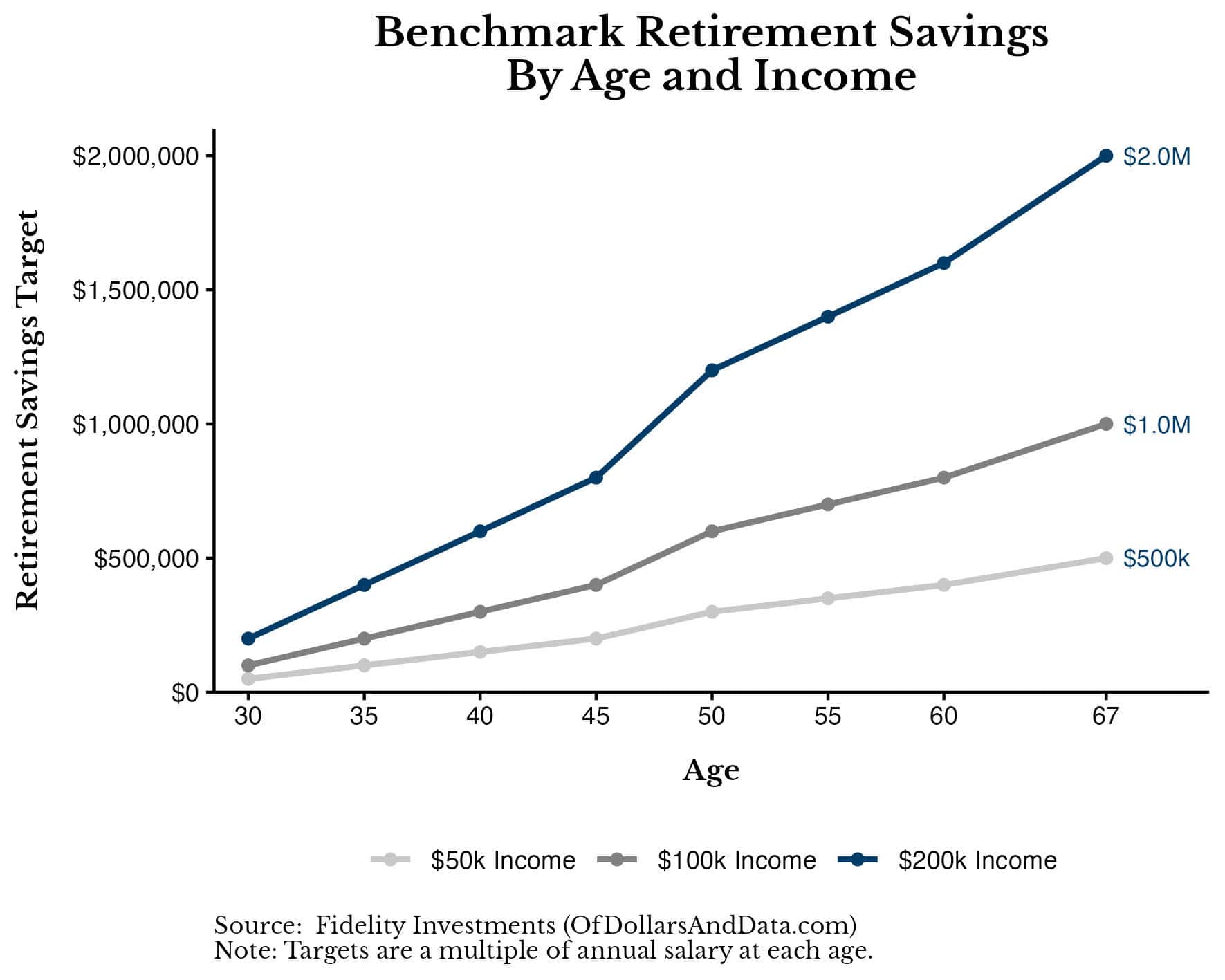
Fidelity handed down a tidy set of numbers: save 1x your salary by 30, 3x by 40, 10x by 67. It reads like a syllabus. Almost nobody passes the course.
A pass rate under one in ten
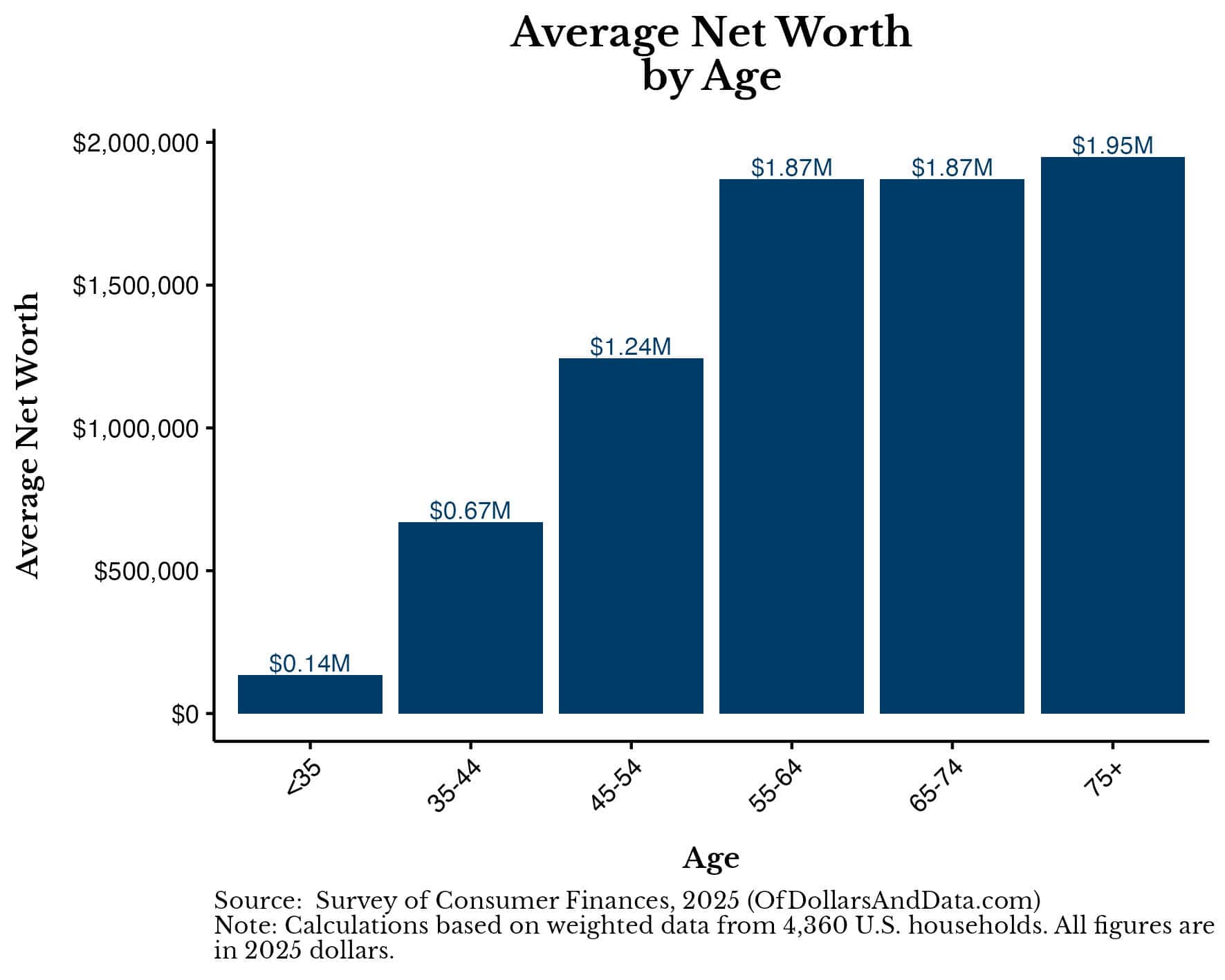
The median retirement account balance across all US households is $5,000. Not because nobody saves, but because many have no account at all: at least 35% of households in every age bracket have none, since lower-paid jobs often don't offer one.
Among households that do have an account, the median rises to $106,000; for those aged 60 to 64 it is $252,000. More respectable, still short of the multiples above.
Measured as account balance over income, the median is below 1x at every age. Only 3% to 9% of households actually clear the benchmark.
Watch what you spend, not what you earn
The author's objection cuts two ways. Income jumps around: doubled over a decade, a bumper commission year, a layoff and a pay cut — which year's salary do you multiply? And the rule ignores spending entirely.
Two households both earning $100,000, one spending $50,000 and one spending $80,000, want to keep their lifestyle in retirement. The frugal one plainly needs less capital. Save more, need less.
His method: estimate annual retirement spending, subtract Social Security and pensions, multiply the remainder by 25, then discount it back at 5% real return per year. The result is your current retirement need. Beat it, and you can stop adding and let the money grow.
At 22 the author's number was $317,195 and he had saved zero. A decade later it was $516,677 and his savings were past halfway. The gap is widest when you start and should shrink from there.
Stop comparing yourself to others. The only number that counts is your own. If you are behind it, don't panic — keep buying and let time do the work.
Why it matters
Saving a multiple of your income assumes you will spend in retirement roughly what you spent while working. What actually sets the size of the pile you need is spending, not the salary on your payslip. For anyone anxious about how many times their salary they should have banked by now, changing the denominator changes what the anxiety is even about.


Curated from high-quality sources, with concise summaries and key takeaways.

