
Daily Takes
Your Book Review: A Residence Of 21 Years In The Sandwich Islands
Re-reading her ancestor Hiram Bingham's memoir, the author finds 19th-century missionaries and today's effective altruists think alike, and their wins and losses still carry lessons.
In 1819, the author's great-great-great-grandfather Hiram Bingham and his wife Sybil set sail from Boston for the Hawaiian Islands. Their goal was not profit but salvation: to lift islanders from 'barbarism' to 'civilisation' and Christianity.
To the author, this looks a lot like today's effective altruism (EA) — both ask 'how to do the most good with the resources at hand.' For Hiram, though, the good depended on whether islanders could avoid eternal damnation.
1. A charitably perfect target
Hawaii looked like an ideal 'cause area': sizable population, little competition from other missionaries or existing religions, and low cost — just a ship, a printing press, and teachers.
They arrived just as the local religion was collapsing: King Kamehameha I had died, and the regent queen abolished the kapu taboo system that restricted women. The missionaries half-finished their work.
2. Speedrunning civilisation: school, press, plus dresses and houses
Hiram and colleagues pushed a 'civilisation package': they set up schools, invented a Hawaiian alphabet, and started printing. In a few years, a third of islanders became literate — a higher share than in many European countries at the time.
They also brought 'modern' living: American-style houses with chimneys, and new dresses became fashionable. As Hiram wrote, first show you can build a house or make a coat; then the islanders will listen to your teachings.
3. Win by politics, lose by politics
To boost influence, Hiram allied with Queen Ka'ahumanu, helped her against political rivals, and through her banned Catholicism, alcohol, and hula dancing. But this violated the mission board's rule against political meddling.
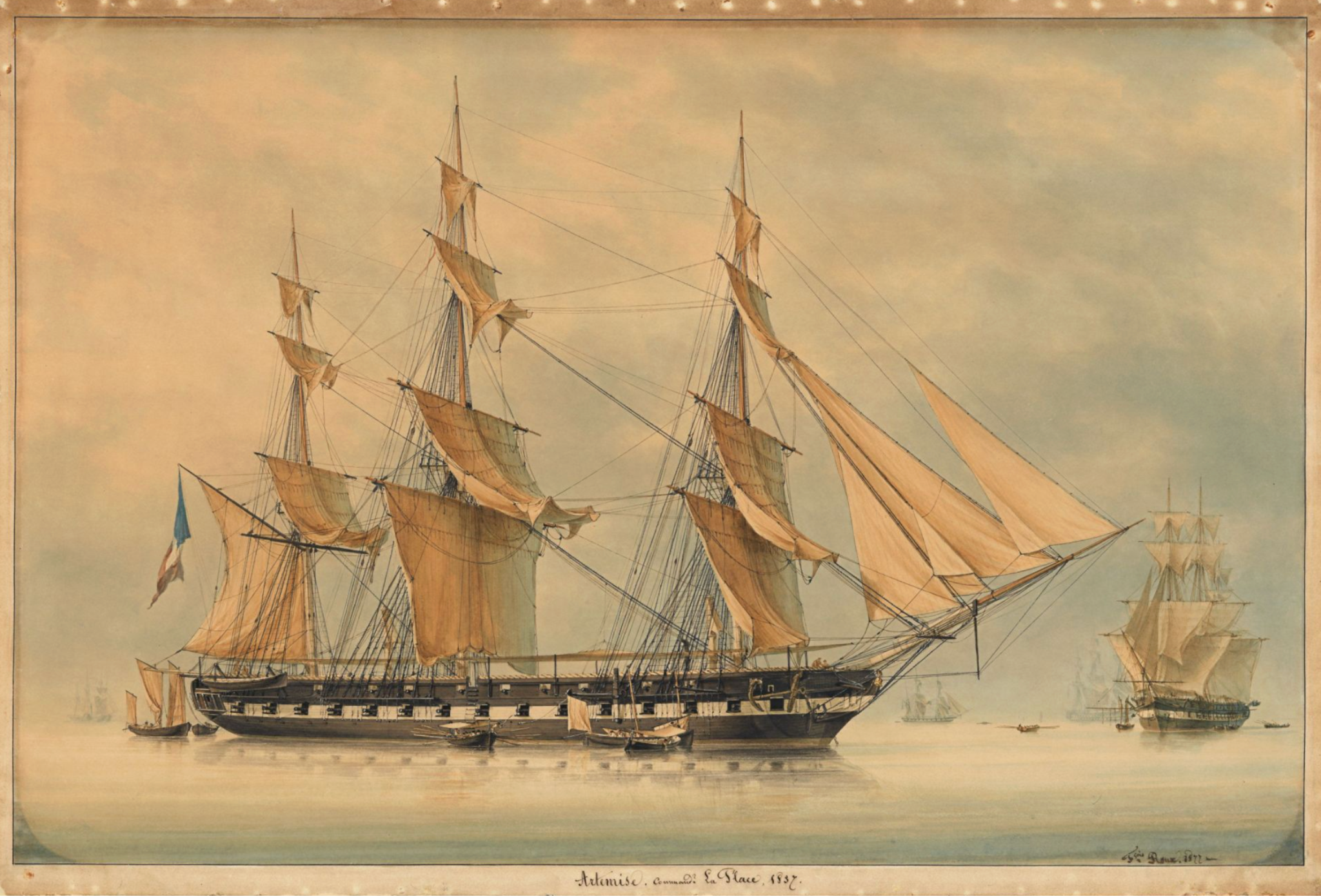
In 1839, a French frigate arrived with guns and an ultimatum demanding Catholic freedom and a $20,000 payment. Hawaii had to give in, and the board, fed up, recalled Hiram.
Afterword: the missionary's legacy
Despite recall, many of Hiram's goals had been met: 60% of Hawaiians became Christian, and his spelling system still writes the Hawaiian language today.
But the next fifty years were harsh: disease and land grabs cost Hawaiians their kingdom, the Bayonet Constitution of 1887, and the monarchy fell in 1893.
The author's take: modern idealists can learn from Hiram's courage, leading by example, and making allies — but watch out for political entanglement and overconfidence. Most of all, don't annoy the French.