TL;DR
China sent its ethnic-minority athletes to the World Nomad Games but instructed the officials travelling with them to avoid incidents rather than make friends, squandering an almost free chance to win over Central Asia.
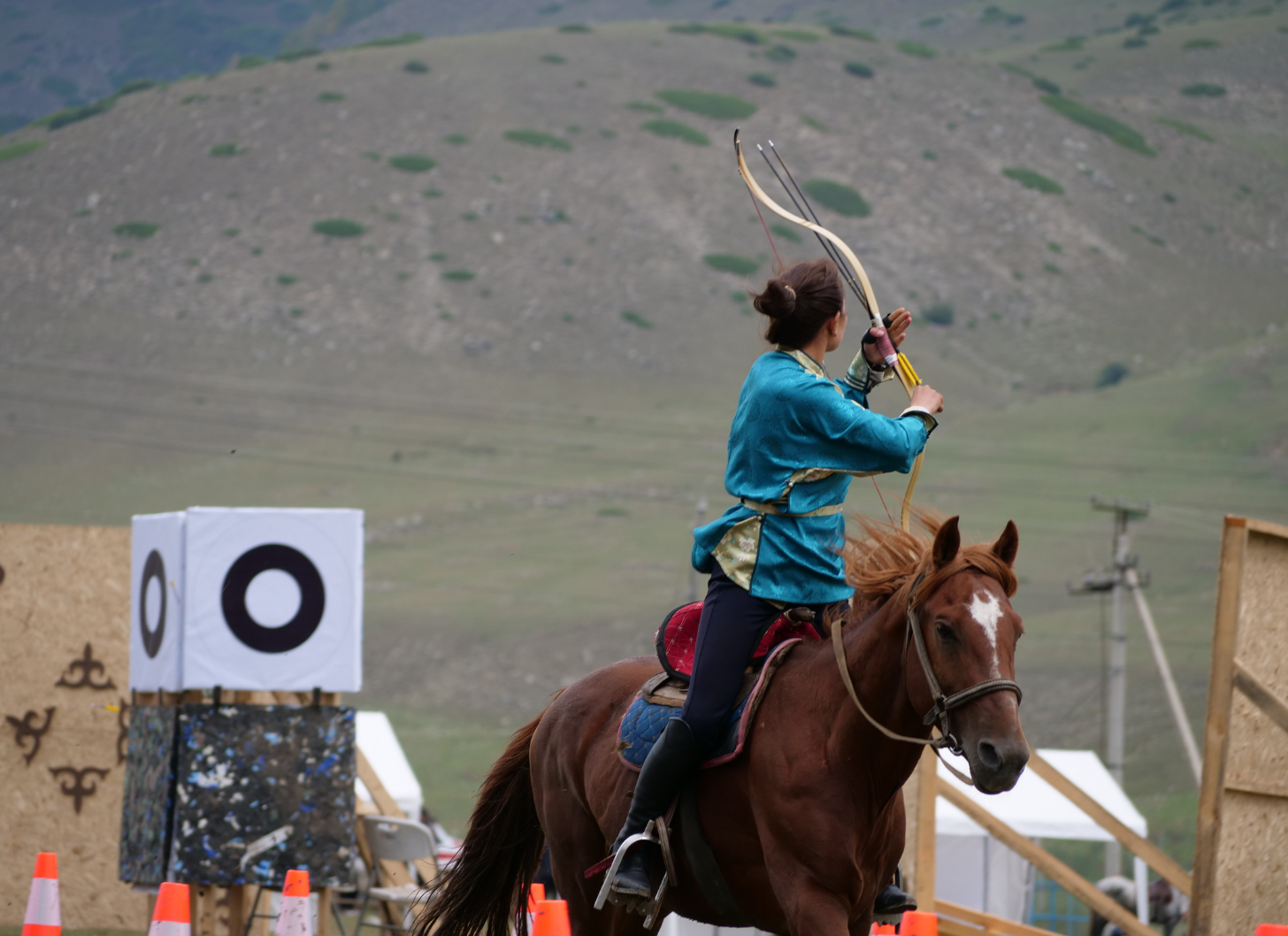
Kyrgyzstan hosted the World Nomad Games, putting horseback archery and mounted wrestling on an international stage: over 3,000 athletes from 109 countries. China sent 19, all from Inner Mongolia — 13 wrestlers and six horse archers.
A gold medal is a KPI; so is not screwing up
The author tried to interview Chinese athletes and was refused again and again. Some said yes, then changed their minds after a look from their handlers. In the end one wrestler spoke on the record. Asked what the word 'nomadic' meant to him, he said he was an ethnic Mongol from Inner Mongolia, and that being here felt deeply familiar.
The horse archery team's handler was Zhang Yang, a Han official whose badge said 'coach' even though he admitted he could barely ride. The athletes spoke Mongolian among themselves and switched to Mandarin when he was around. It looked less like sports diplomacy than damage control.
Why Kyrgyzstan worries about Uyghurs
Central Asia Barometer found 62% of Kyrgyz respondents were concerned about how China treats Uyghurs. The quota for foreign workers rose from 16,610 in 2021 to 100,000 in 2026, about 60% of those visas going to Chinese workers, and anti-China posts surged online before the summit.
Letting athletes talk freely would have been the cheapest possible fix, the author argues. Instead the sports bureaucracy defined success as not causing trouble, so the athletes were handled as walking liabilities.
A silver medal with no flag
One ethnic Kyrgyz athlete took silver in mounted wrestling. The official results credit China, but he carried no flag into his match and had been listed on Kyrgyzstan's roster beforehand. The author's best guess is that he lives in China, was not picked for the team, and competed on his own — only to be claimed once he had won.
Chinese money and the new railway have already made Central Asia depend on Beijing, so it sees no need to put on a show. But a Kazakh archery judge pointed out that nearly every people's ancestors used the bow, humanity's oldest shared memory. Turning that into a show costs far less than a railway.
Put plainly: money buys transit rights, not people willing to speak up for you.
Why it matters
The reporting shows a state spending billions on railways and factories across Central Asia while denying its own minority athletes a single free interview — an almost costless soft-power move blocked by a bureaucracy protecting itself. That is why material reach and goodwill can drift so far apart.
Curated from high-quality sources, with concise summaries and key takeaways.

