After the Supreme Court struck down Trump's emergency tariffs, the administration simply reimposed the same taxes under a different statute. Now a single-origin spice company is suing again, while the big importers sit it out.
In February the Supreme Court ruled Trump's emergency-powers tariffs illegal. Most people assumed that was the end of it. It wasn't. The administration reached for a different law and put the same taxes back.
Same money, new name
The first round ran on IEEPA, an emergency statute. Once that fell, the government propped the tariffs up for 150 days under Section 122 of the Trade Act of 1974, then switched to Section 301.
Section 301 was written to give the president a tool: investigate one specific unfair practice by one country, then impose tariffs as leverage. It has been used about 130 times, including Trump's first-term China tariffs.
This time is different. Sixty jurisdictions are hit at once, covering 99% of US trade, on the grounds that they fail to block imports made with forced labour. The EU counts as one. There are two rates: 10% and 12.5%.
China, probably the worst forced-labour problem in the world, gets 12.5%. So do about two-thirds of the others. The rate has nothing to do with forced labour. And the president said it out loud the afternoon after losing at the Supreme Court: don't worry, we have other authorities, we'll recreate the tariffs.
A former cook, wild cumin and 28 countries
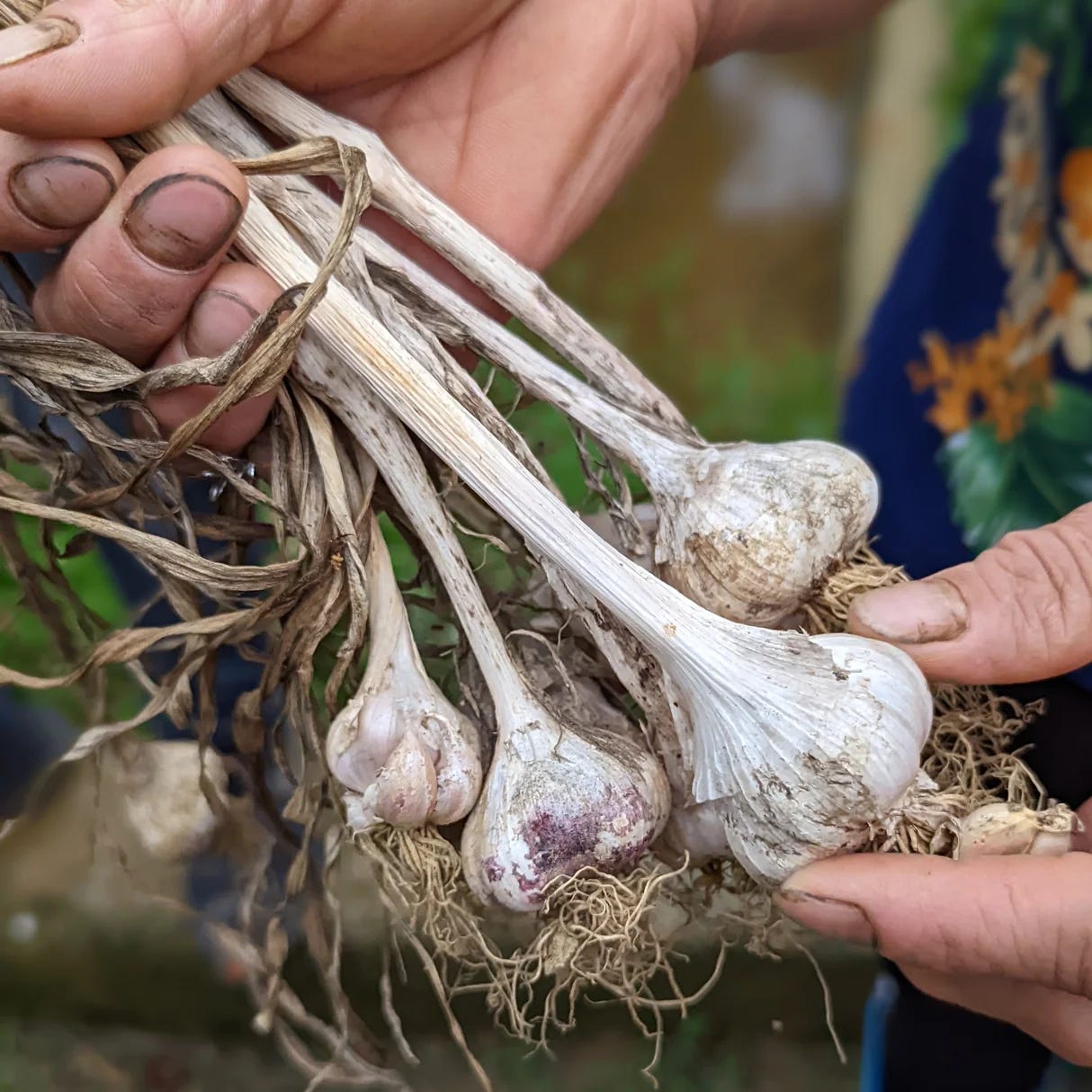
One plaintiff is Ethan Frisch, co-founder of Burlap & Barrel. In 2008 he was in Afghanistan building schools in remote mountain areas. That region grows wild cumin.
He had cooked in New York restaurants, thought the stuff beat anything in a supermarket, and started hauling it home in duffel bags. Customs mostly waved him through, because most spices are duty-free and the US grows none of them, so no domestic industry needs protecting. His tip: label it 'spices', not 'seeds'.
In 2016 he and his partner Ori started the company out of a one-bedroom apartment in Queens. Today they buy from about 28 countries and will ship roughly 150,000 orders this year, 70% through their own site.
No lobbyists, one small owner
When the April 'Liberation Day' tariffs landed, they did the maths in a couple of days and decided to eat the cost: no price rises, no cuts to farmers. Then they sent an email with the subject line, in effect, 'we're suing the president'.
Support and anger came back in almost equal numbers, about a hundred each. Most of the angry ones weren't customers anyway. Sales went up.
Big companies won't sue. Fortune 500 firms paying billions in tariffs, and the big Washington law firms, are afraid of retaliation and stay on the sidelines. The plaintiffs are small businesses and Democratic-led states.
The author thinks the fear is overblown: through round after round of tariff litigation, the government has behaved professionally in court, and no company has been singled out.
The lawsuits are handled pro bono by the Liberty Justice Center. This will run to the Supreme Court, another year or more. Even winning doesn't stop the government collecting during appeals, straight out of your bank account.
One last thing
The spices are bought on what the founders call farmer-led pricing: farmers name a number, and the company pays it without haggling. Nobody else does this, they say. It is, by their own description, a pre-capitalist way of trading.
Why it matters
If the Section 301 tariffs are struck down, tariffs on sixty economies fall at once and no incoming president can quietly keep them. If they stand, the White House can rebuild any court-blocked tariff under a different statute, and Congress's power over taxes becomes decorative.

Curated from high-quality sources, with concise summaries and key takeaways.

