Official minutes are rarely a verbatim record: someone chose what to keep and what to polish, yet they read like a transcript, leading people to wrong conclusions about who said what and who agreed with whom.
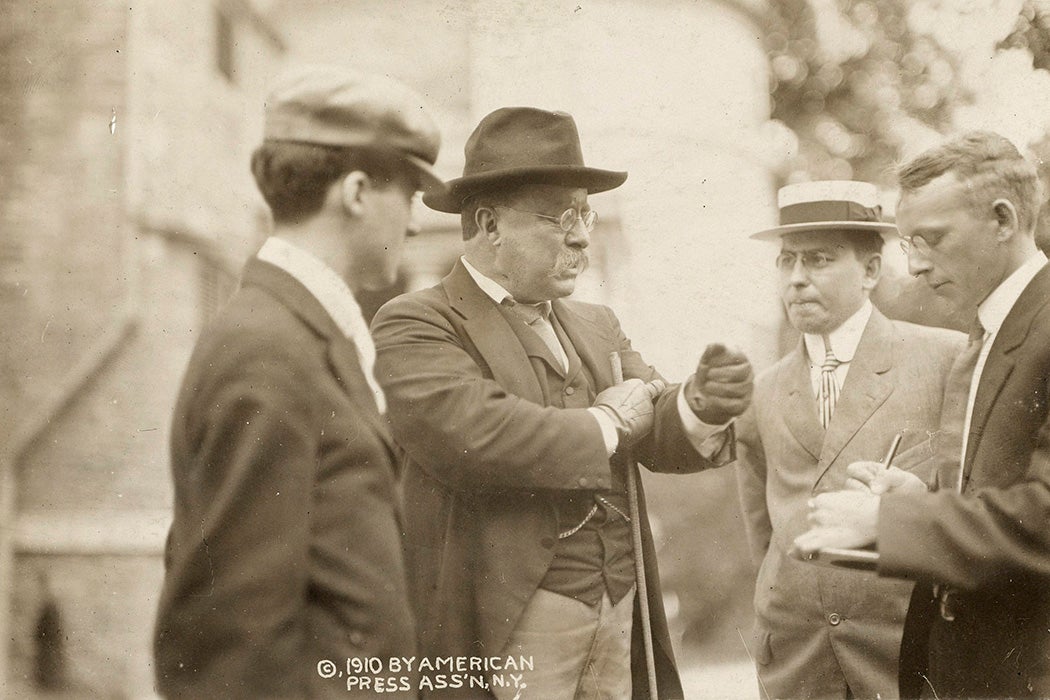
Churchill reportedly said jaw-jaw beats war-war. But how does all that jaw-jaw end up as history?
Mostly through minutes. The trouble is that a meeting is live and the minutes are written afterwards.
Minutes have two names
Sociologist David R. Gibson argues that minutes are not merely taken, they are actively made. The taker is also a maker, sometimes with help from others.
Minutes look like a verbatim report, and even when they do not, people read them that way, drawing wrong conclusions about who said what and how. The Soviet Politburo edited its minutes before circulating them; it was neither the first nor the last to do so.
Once recording got cheap, the gap got ugly
In the second half of the last century audio became affordable, and scholars could finally compare tapes with the written record.
British parliamentary proceedings were taken by shorthand reporters working five- to ten-minute shifts. The recordings show they tidied up the informal language, the grammar and the ums and ahs, making everyone sound more like, you know, statesmen.
A police interrogation transcript simply marked the officer's attempt to cut a deal with the defendant as unintelligible.
The most famous polish job
During the 1962 Cuban Missile Crisis, Attorney General Robert F. Kennedy later exaggerated his own role as the voice of restraint. We know because his brother, President Kennedy, secretly taped those meetings.
Gibson adds that disagreements and ambiguities get smoothed over in the name of consensus, and conversational minutiae are cut. For history, that is a lot to lose.
Why it matters
A great deal of news still rests on anonymous sources and briefings from people in the room, which are minutes by another name. Knowing that every set of minutes has been chosen and polished is what stops you treating the official version as a transparent window.
Curated from high-quality sources, with concise summaries and key takeaways.

