An Oklahoma officer ran a California plate through a nationwide camera network, used the woman's travel history to justify searching her car, and a federal judge has now ruled the whole thing an unconstitutional mass surveillance search.
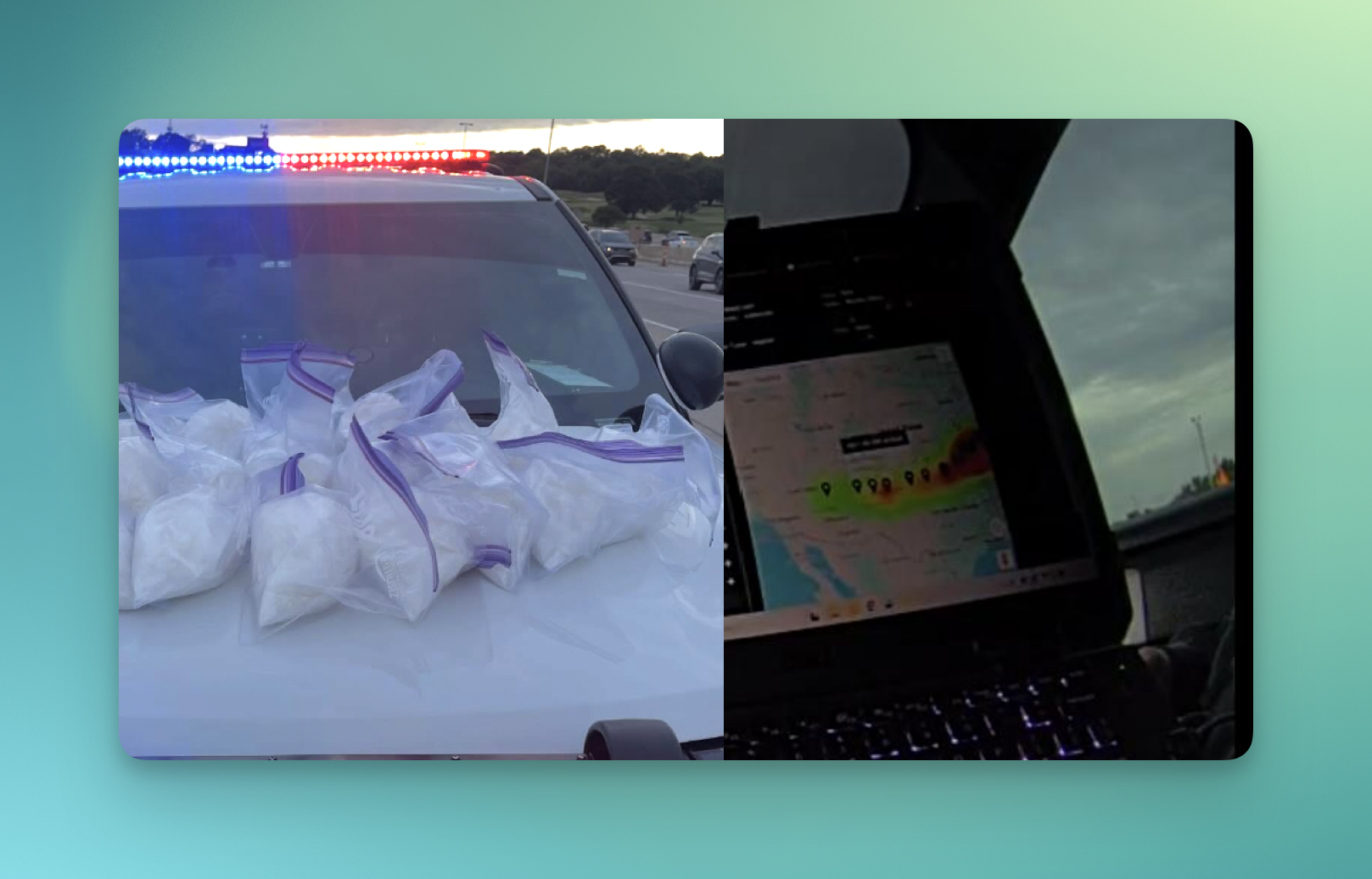
In Oklahoma, a police officer watched an SUV with a California plate drive past, and looked the plate up on his phone.
What he pulled up was a month of someone's life
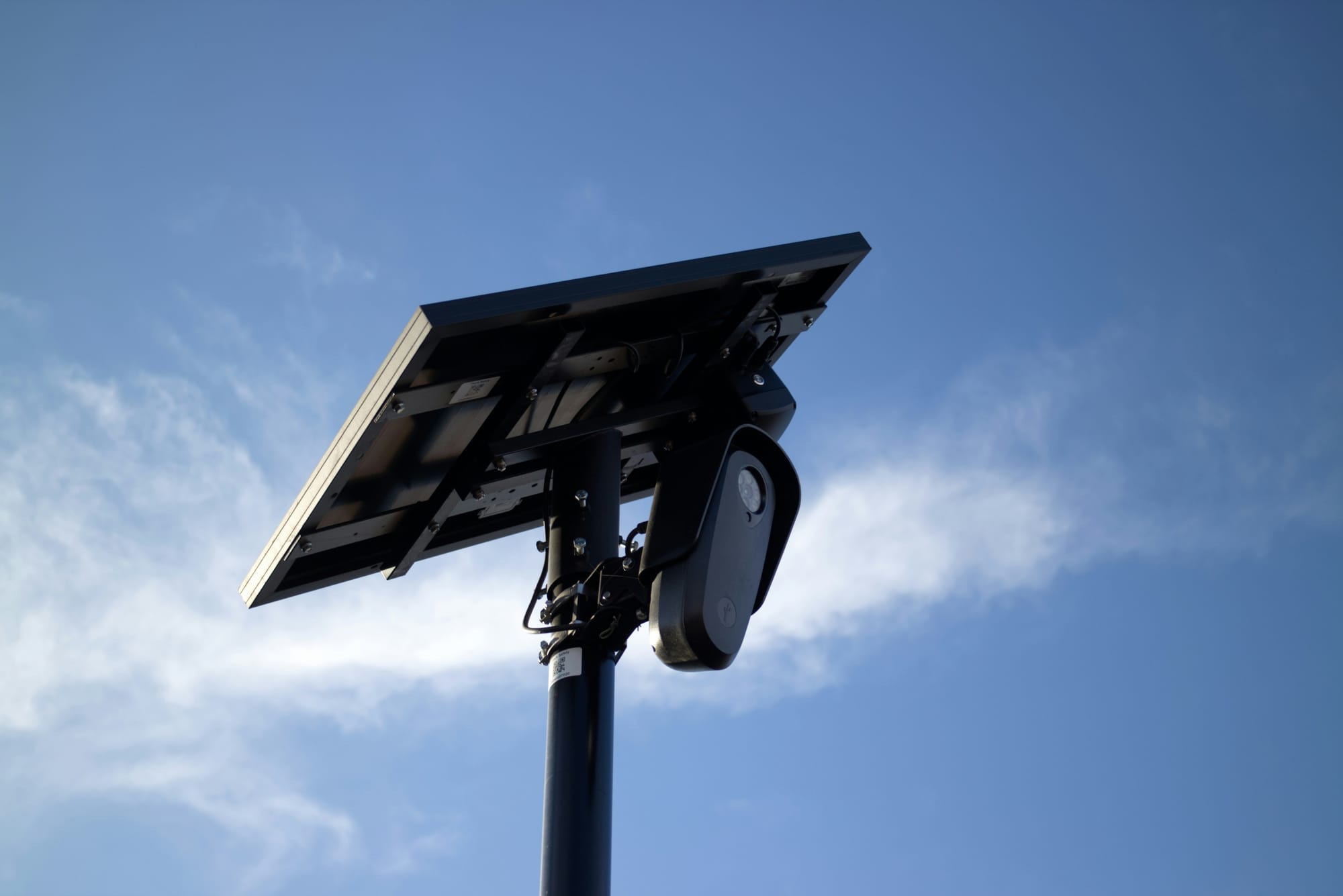
The system is called Flock: cameras on roadsides photograph every plate that goes by, log the time and place, and feed it into a national database that any officer can query.
The officer pulled the car over, questioned the driver about where she had been, and compared her answers with the database. Because she had spent only a short stretch in California, he suspected drug trafficking — and used the travel history as part of his reason to search the car. It turned up 91 pounds of meth.
The judge said none of it counts
Federal judge Sara Hill ruled the search was unlawful from the start: a warrantless search without probable cause, in violation of the Fourth Amendment.
She pointed out that earlier rulings leaning on 'no privacy in a car on a public road' date from 1983, when no such nationwide camera network existed.
Today's system keeps a continuous record of every vehicle passing every camera, with no target and no time limit. In the judge's words, that is 'a type of indiscriminate mass surveillance.' So the drugs are inadmissible.
Audit logs seen by 404 Media show more than a hundred thousand such warrantless queries a month. The ruling binds no other court, and Flock says it will appeal.
Why it matters
The weight of this ruling is that it treats the problem as the system, not the single query. When surveillance covers every car, one officer glancing at a database can reconstruct a stranger's life — and that is not one officer abusing his power, it is how the product is built.

Curated from high-quality sources, with concise summaries and key takeaways.

