The Trump administration has floated sending armed federal officers to polling sites in the midterms, but federal law and every state's rules bar it, and a California ballot-seizure case just drew the line.
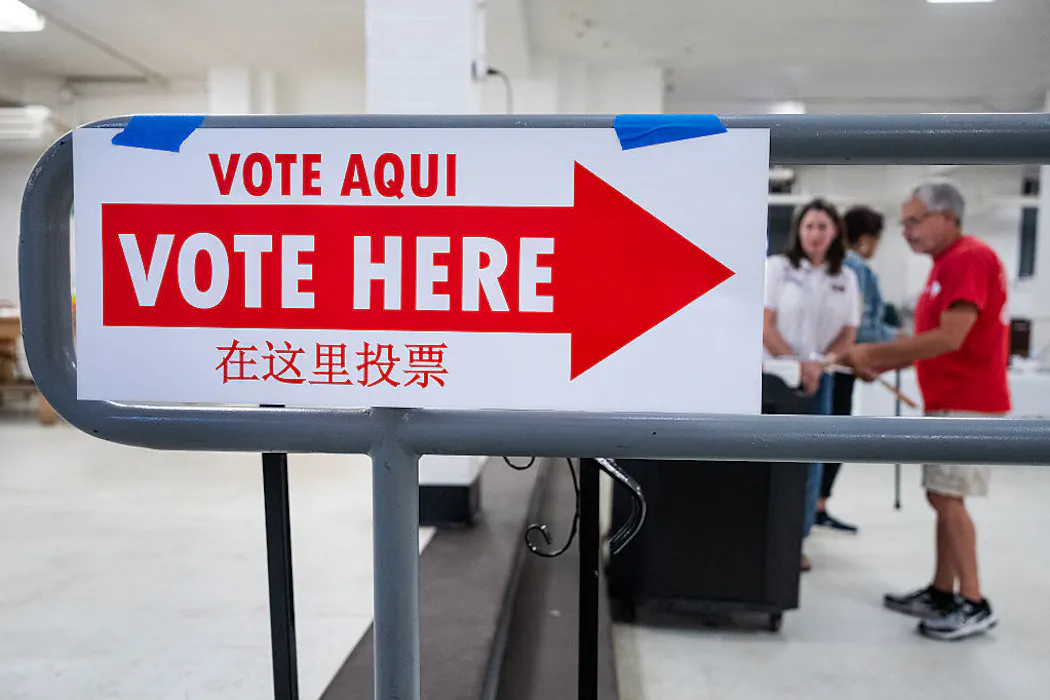
Before the US midterms, senior Trump administration officials said publicly that they might send armed federal officers to polling places. For months the administration has also been taking control of parts of election administration away from the states and making it harder for some people to vote.
The law is unusually clear
Federal law directly bars federal troops and armed law enforcement agents from appearing at polling places. Other federal statutes prohibit any intimidation of or interference with voters, and those apply too.
States have their own rules. The wording differs, but all of them restrict behaviour at and around polling sites for one purpose: letting people cast a ballot without being frightened.
Many states ban anyone from carrying a firearm near a polling place, and that applies to armed officials just as it does to everyone else.
Can local police be there? Usually only if a local election official specifically asks. If they are called in for an emergency, they have to follow the election officials' orders once they arrive.
A ballot is not there for the taking
If a voter sees armed officials at a polling place, the first move is to tell the election officials on site. They have procedures for reporting it and getting it handled. Depending on what happens, the voter may also want to document the behaviour and hand that over afterwards.
On seizing ballots, the critical rules are each state's chain-of-custody laws: who may touch or see a ballot, before and after it is cast. That is what keeps outsiders out of the result.
Law enforcement seizing ballots would likely violate those rules and undermine the very integrity they exist to protect.
A sheriff in Riverside County, California, did exactly that, taking hundreds of thousands of ballots from a special election and claiming unexplained anomalies. Voters sued, and the California Supreme Court ruled against him.
The court also stressed that allegations about an election have plenty of lawful routes — seizing ballots is not one of them. That case concerned a past election, but it maps the road for judges facing the same question in November.
Before a result is certified, chain of custody matters even more. Legal experts are urging judges to scrutinise warrant applications for ballots especially closely.
Why it matters
A gun at the door of a polling place rarely frightens one voter; it depresses the turnout of a whole community. By the time anyone argues in court about whether it was legal, some of the votes are simply gone.


Curated from high-quality sources, with concise summaries and key takeaways.

