Thursday, 8 October 2026
Picked from the best of the world's press

Jaguar (Panthera onca) drinking from the river in Mato Grosso, Brazil
The Trump administration has floated sending armed federal officers to polling sites in the midterms, but federal law and every state's rules bar it, and a California ballot-seizure case just drew the line.

A man convicted of manslaughter in Arizona was sentenced to ten and a half years, but an appeals court ruled that an AI-generated video of the victim forgiving him carried undue emotional weight, so the sentence must be reconsidered.
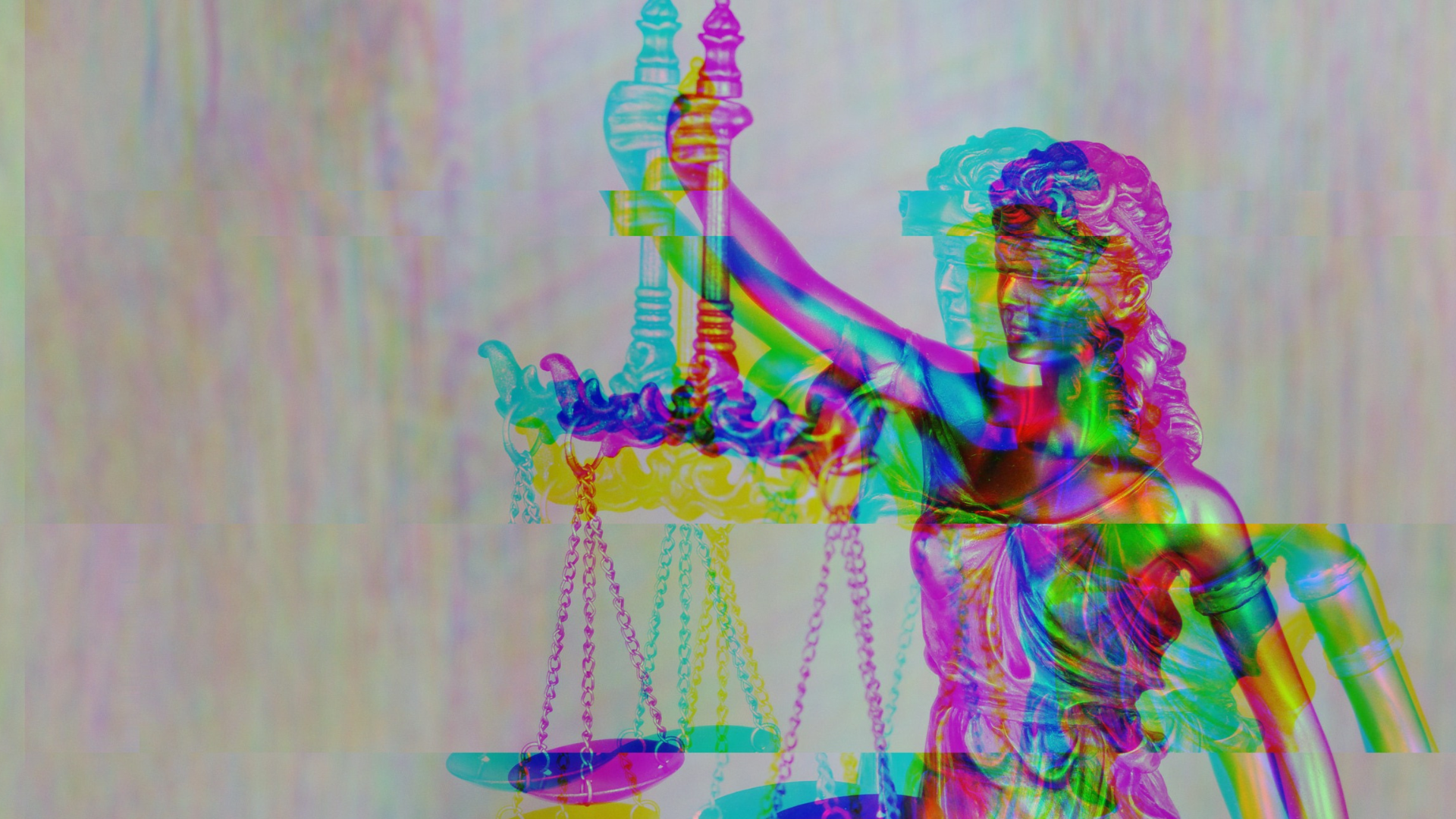
A tool called BadClaude lets you drag a cracking whip across the model's window to interrupt it and bark at it to hurry up; the worry is not that the machine suffers but that the user gets practised at commanding without negotiating.
After the Supreme Court struck down Trump's emergency tariffs, the administration simply reimposed the same taxes under a different statute. Now a single-origin spice company is suing again, while the big importers sit it out.
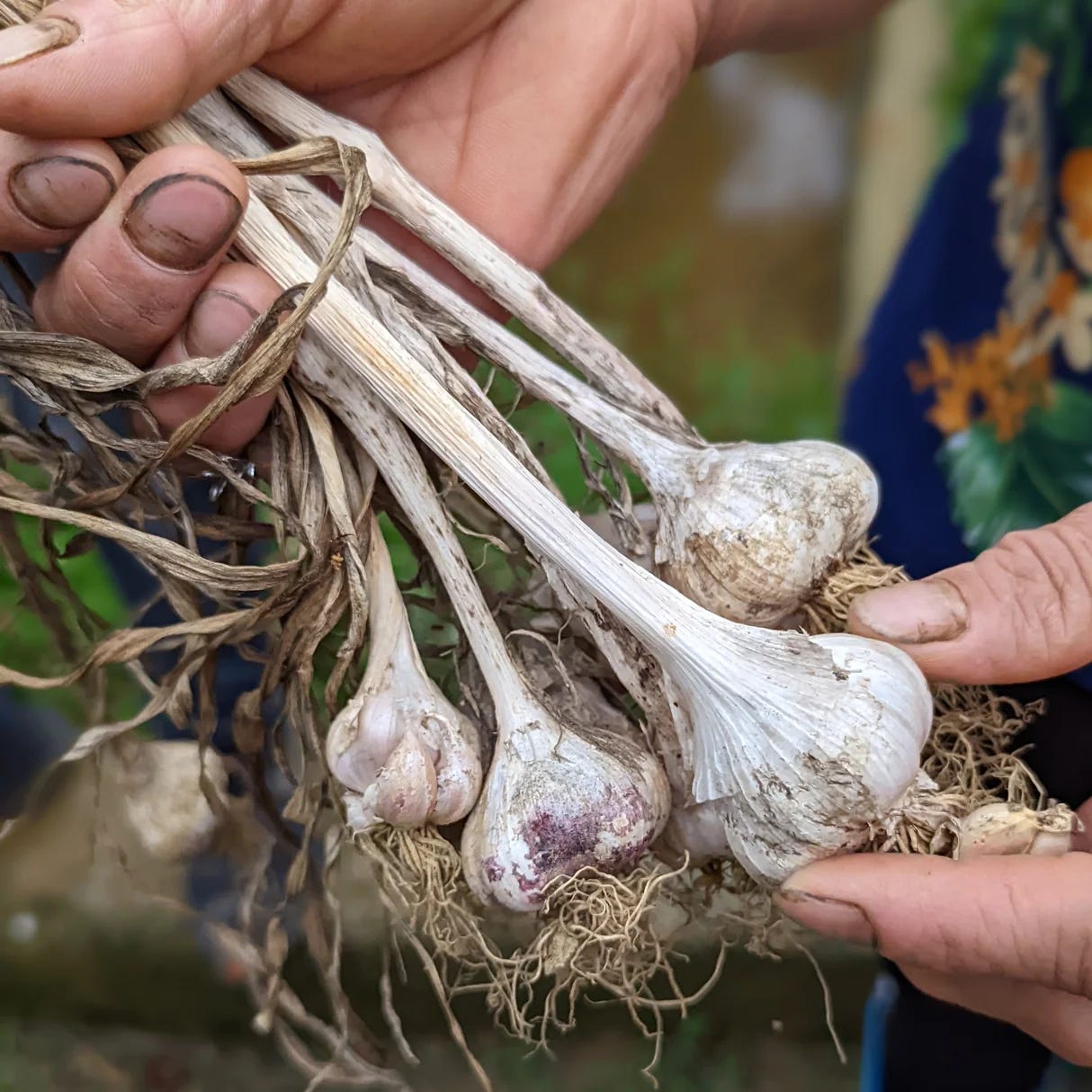
Research from the Bank for International Settlements finds that the more a government owes, the harder a rate rise hits growth and the less it does to prices, forcing central banks to move more aggressively for the same result.

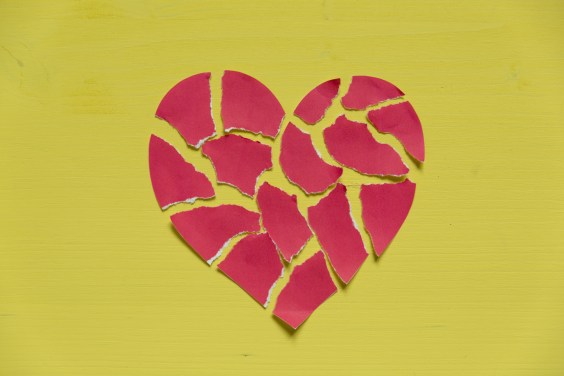
Forgiveness does not delete what happened; it drains the emotional charge attached to the memory, which is why 'forgive and forget' gets the mechanism wrong.
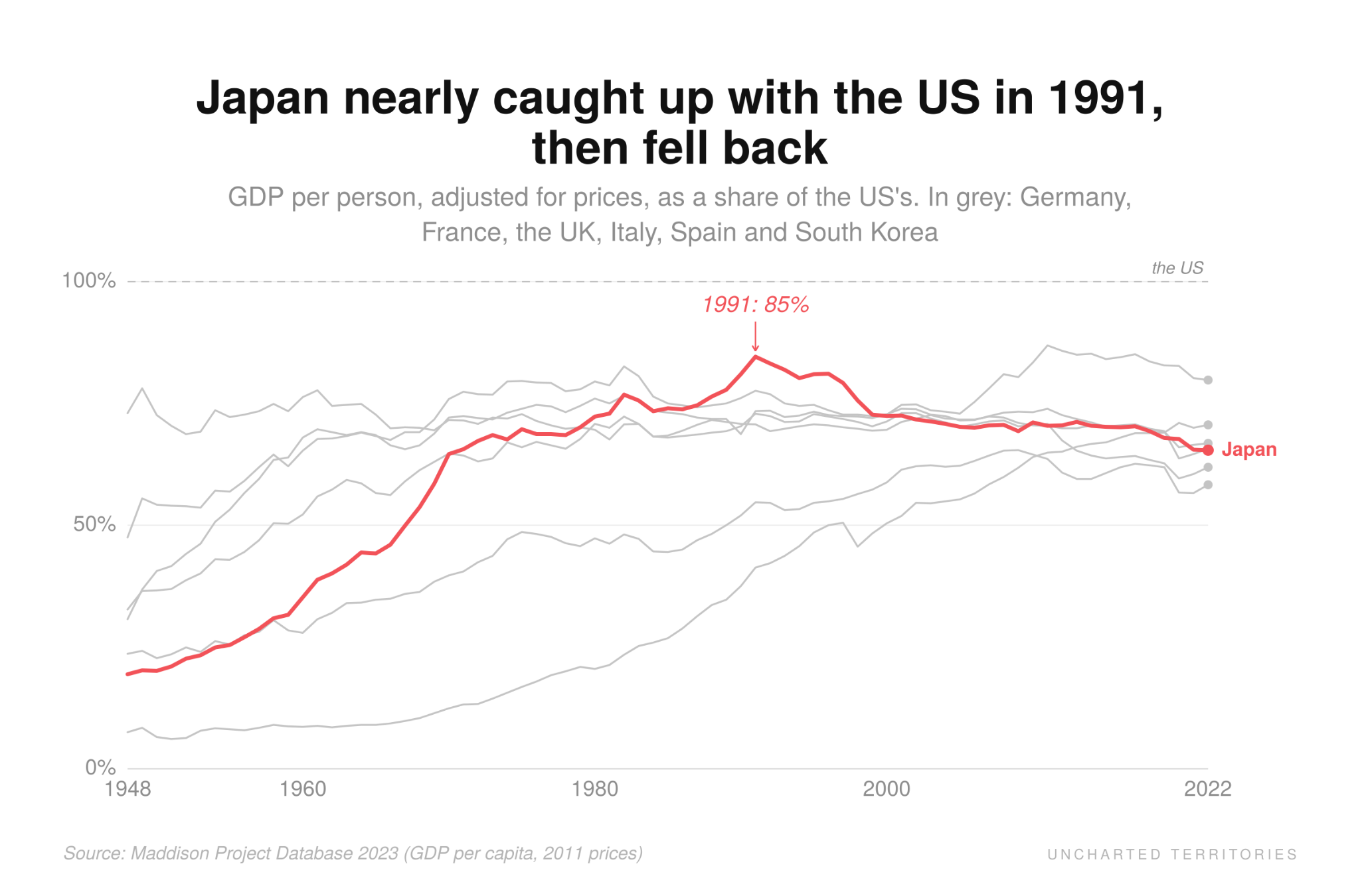
Japan was the only non-Western country to industrialise in the 1800s, helped by geography that made it safe and rich; decades later that same inheritance became the thing holding it back.
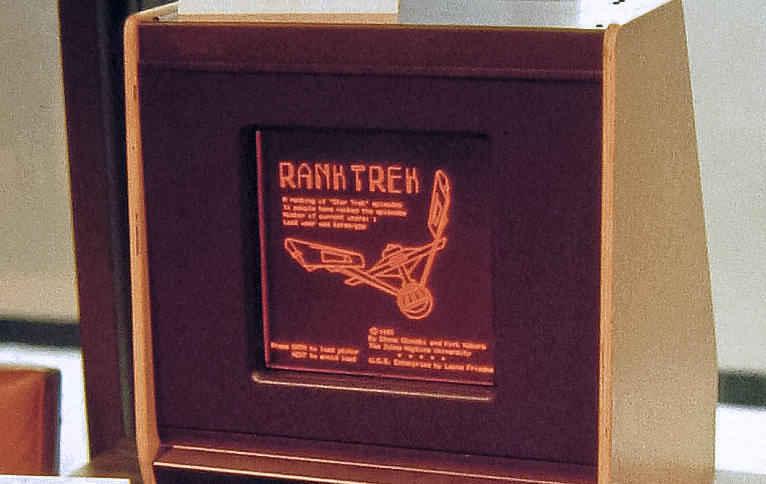
Plasma screens began in the 1960s as a way to save memory, but weaker brightness and efficiency, plus yields that never improved, ended production by the 2010s.
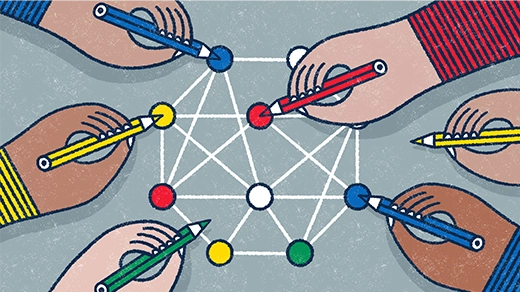
In September 2026, a rumour that OpenAI was about to announce a proof of the unique games conjecture pushed MIT professor Dor Minzer and two students to finish a seven-year paper in three days.
Loss is unavoidable, but the timing of the bill is negotiable: choosing pain early costs far less interest than letting life collect it later.

In Spite, neuroscientist Simon McCarthy-Jones argues that spite is not a glitch in human nature but a strategy with reasons and even uses, and anonymous platforms break it by making it free.