Political scientist Thessalia Merivaki studies how voters find election information and why trust collapses after counting night; her finding is that the strongest defence is not fact-checking but making voters fluent in voting procedures beforehand.
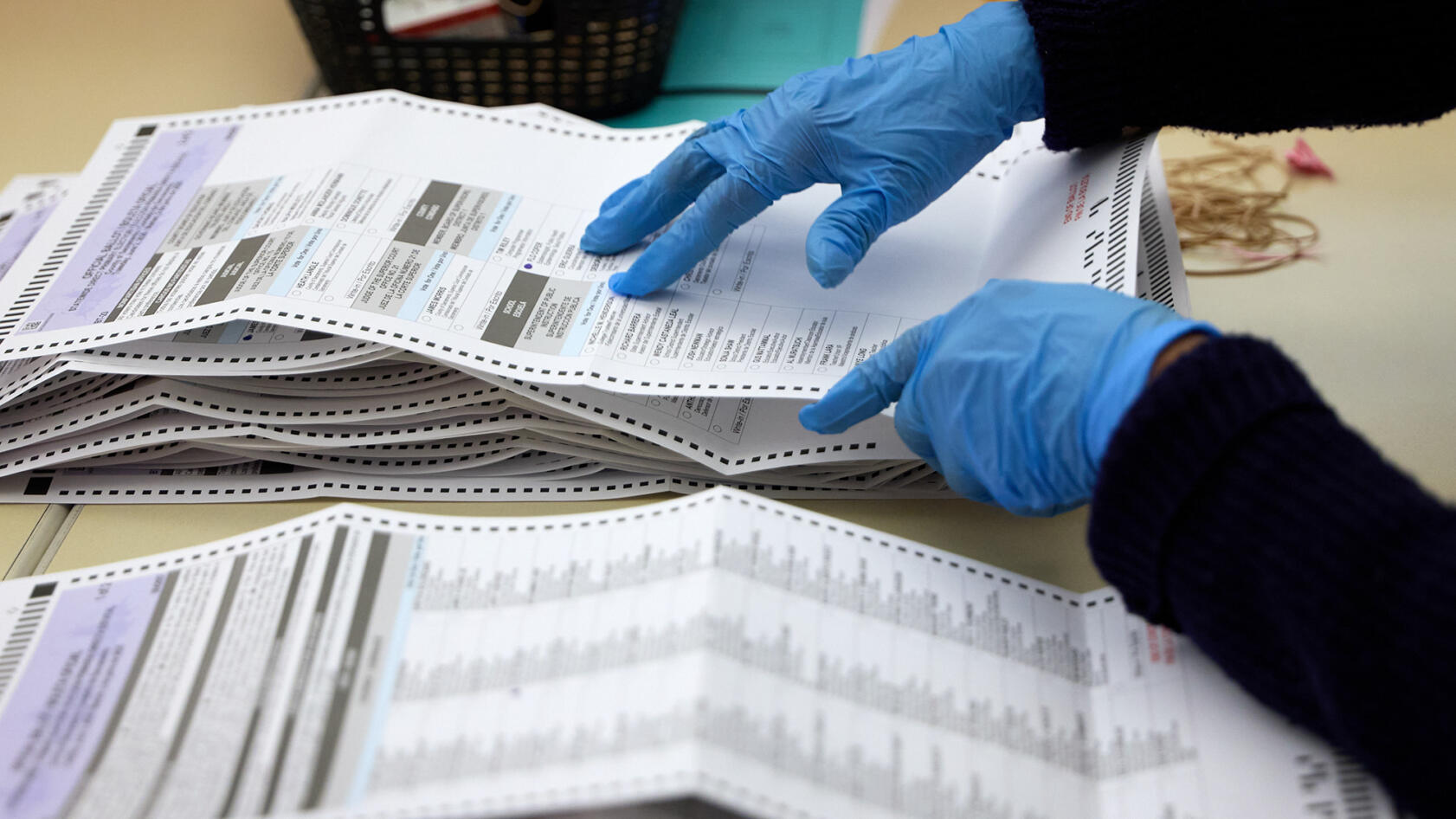
Before the 2024 election, plenty of people feared AI would wreck the vote. It did not turn out as bad as predicted — at least not in the way anyone expected. By 2026, AI is inside campaign teams, in the president's social media feed, and in the elections of dozens of countries.
The political scientist Thessalia Merivaki studies how the digital information ecosystem shapes voter behaviour and trust in elections.
People stopped searching and started asking
More and more voters skip the ten links on Google and ask a chatbot instead. Even when they do search, an AI summary sits at the top, and almost nobody clicks through.
What has changed is this: you used to choose which sources to trust. Now an answer arrives with no visible origin and no visible reliability.
Worse still is poisoning. Some actors flood the web with content meant not for human eyes but for AI crawlers to absorb and feed back to users. It showed up in Australia and Moldova in 2025.
Ten thousand jurisdictions with almost nothing on record
America has over ten thousand local election jurisdictions. Federal and state policy is roughly uniform, but at the local level the way information gets out varies wildly, and each jurisdiction's official material is thin.
That leaves data voids — gaps in credible coverage that bad actors fill with low-quality material. So even without a coordinated attack, AI is often unreliable on local questions about how to vote.
Explaining the process beats debunking the rumour
Merivaki's team tracks what state and local election officials post on social media, and finds that clear messaging on how elections run and what safeguards sit at each step raises confidence — including among people already sceptical of the outcome.
Effective is not permanent. Communications work best before the election. The critical window is after you vote, especially after counting night. The loser effect sets in, counting speeds differ by state, candidates cry theft — and trust falls. That fall is the hardest to repair, because it has nothing to do with how elections actually run.
So her answer is not rapid-response debunking but familiarity: your preferred candidate says mail voting is rife with fraud, but you have seen how the process works, so you can judge that it probably is not true.
Election offices are not tech companies
Local election offices are small, underfunded and overwhelmed, with no engineers and often no communications director or IT staff. Any governance framework has to start from that reality.
The single most critical requirement, she argues, is human oversight at every stage where AI touches a public-facing output, however routine the internal draft. Every election service is run by people, and the moment that breaks, so does the trust.
Why it matters
The door into election information is shifting from a list of links you judge yourself to one answer handed to you, and almost nobody clicks through to check it. With more than ten thousand local jurisdictions in the US, official voting information is thin everywhere; when there is nothing solid to draw on, bad actors fill the gap with content aimed not at voters but at AI crawlers.
Curated from high-quality sources, with concise summaries and key takeaways.

