Raking leaves into bags throws away both the fertiliser trees pump up for free and the winter shelter most native insects need to survive.
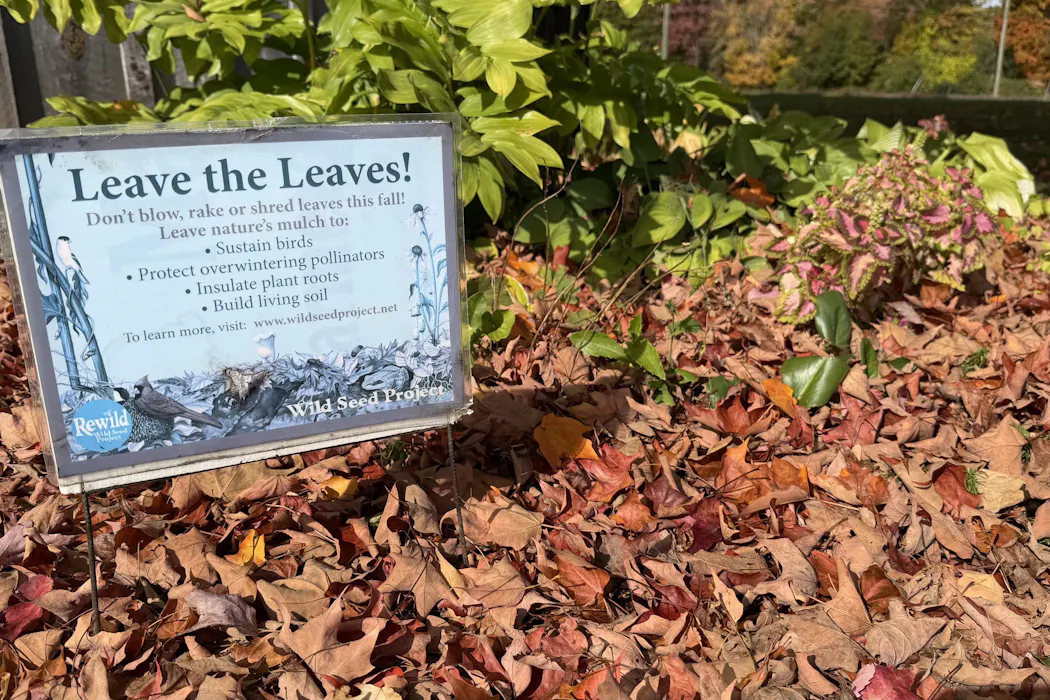
Every autumn, out come the rakes, the leaf blowers and the lawn bags, and the yard gets stripped clean. The habit comes from aesthetics, but fallen leaves are not rubbish.
A whole year of insects sleeps in the leaf pile
A researcher who studies how plants grow in yards and gardens points out that up to 70% of North America's native pollinators nest in the ground. Fertilised queen bumblebees burrow a few inches down, or hide under a thick layer of leaves to ride out the cold.
Luna moths and Isabella tiger moths spin their cocoons directly inside fallen leaves, and firefly larvae spend up to two years under damp litter. Raking, shredding or blowing those leaves away destroys next year's generation.
It is fertiliser the tree already paid for
Trees pull calcium, magnesium, potassium and nitrogen up from deep soil and store them in their leaves. When the leaves drop, those nutrients go back into the ground.
An intact layer of leaves works like a blanket: air pockets between them buffer the freeze-thaw cycles, hold in moisture, and slowly break down into humus, a slow-release organic fertiliser. It also suppresses next spring's weed seeds, no herbicide required.
Do less, not nothing
Move, don't remove: rake the leaves off the lawn and paths into garden beds, vegetable plots or around ornamental plants, two to three inches deep. Keep them off the places people walk and ticks have fewer places to hide.
Skip the shredder: mulching beats sending leaves to landfill, but high-speed blades still kill overwintering eggs and larvae.
Wait for spring: don't cut back or clear beds during the first warm days. Wait until temperatures hold above 10°C so bees and butterflies have time to emerge.
Before buying bagged mulch and synthetic fertiliser, remember that your trees were handing you both for free.
Why it matters
Bagging leaves and then buying wood mulch and fertiliser is a double expense nobody notices. Behind the habit is a broader pattern: much of what gets written off as maintenance cost is a service nature was already providing for free, until we cancelled it.


Curated from high-quality sources, with concise summaries and key takeaways.

