Researchers gave adults fraction and reading questions with or without ChatGPT; once the chatbot was removed, the group that had used it solved fewer problems and skipped more.
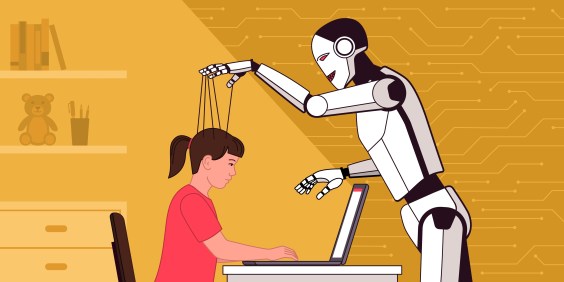
Researchers gave adults fraction problems such as 5/6 minus 1/3. One group could use a ChatGPT window; the other had to work alone. Partway through, the chatbot was switched off and the groups swapped places.
Once the crutch is gone, the gap shows
While ChatGPT was available, the group that leaned on it solved more problems and skipped fewer. After it vanished, the picture reversed: its solve rate fell and its skip rate rose. Reading comprehension questions taken from SAT exams showed the same pattern, and the whole test lasted only minutes.
The researchers worry most about students. If sustained AI use wears down the motivation and persistence behind long-term learning, the effects build up over years, and by the time they show, they are hard to reverse.
The study only tested chatbots that answer questions directly. What happens when AI agents such as Meta's Muse take over every bit of struggle in daily life?
Put plainly, the tool blocks the discomfort in front of you, and it also blocks the practice of sticking with something hard.
Why it matters
Schools and parents tend to frame this as cheating, but the result points to something else: a tool buys ease while it is present, and once it is gone people still have to face hard problems alone, while the stamina for that is not counted in any efficiency metric.



Curated from high-quality sources, with concise summaries and key takeaways.

