As AI quietly takes over analysis and decisions, the people meant to oversee it gradually lose the very skills their organizations still rely on in a pinch.
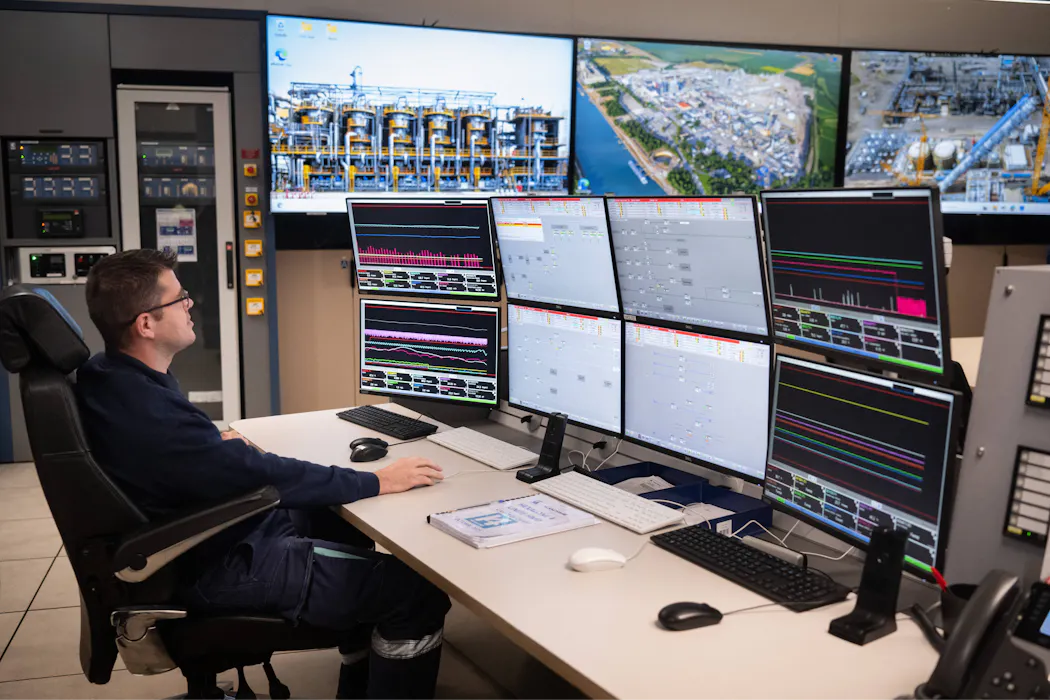
Picture an AI system that has hummed along for months while an employee reviews its advice and almost never changes the outcome. One day the AI stumbles and a human must step in — but can they still do a task they have stopped doing?
The author, an information systems professor, calls this 'latent risk': organizations keep depending on capabilities people are quietly losing, and nobody notices.
The more accurate the AI, the less practice people get
Once, employees analysed problems and made the call themselves. Now they review what the AI recommends. The job has not got lighter — it has changed, from doing the work to watching the work.
The judgments left to humans are often the hard ones. Doing them less often means being less ready for exactly those moments.
Authority, responsibility and ability drift apart
Accountability often lags behind the new division of labour. An employee may now oversee far more decisions than before, still answer for the outcomes, and yet grow less capable of intervening.
The metrics do not help. Accuracy and productivity look fine while the numbers say nothing about how long it has been since anyone decided anything for themselves.
Keeping the human backstop on purpose
Not every capability is worth preserving. Organizations need to decide which judgments remain unavoidably human when AI hits its limits.
A simple test: every so often, ask people to decide without seeing the AI's suggestion first.
The more AI takes over, the more deliberately the remaining human skills need to be kept in shape.
Why it matters
This is the cost most easily missed when an AI system is praised for hitting its numbers: the prettier the dashboard, the less anyone looks at how much human judgment is quietly being hollowed out — until the day the system really needs it.

Curated from high-quality sources, with concise summaries and key takeaways.

