Tech companies are selling personalised AI agents to handle daily chores, but chasing perfect efficiency may bring market chaos, corporate collapse, and a loss of control over daily life.
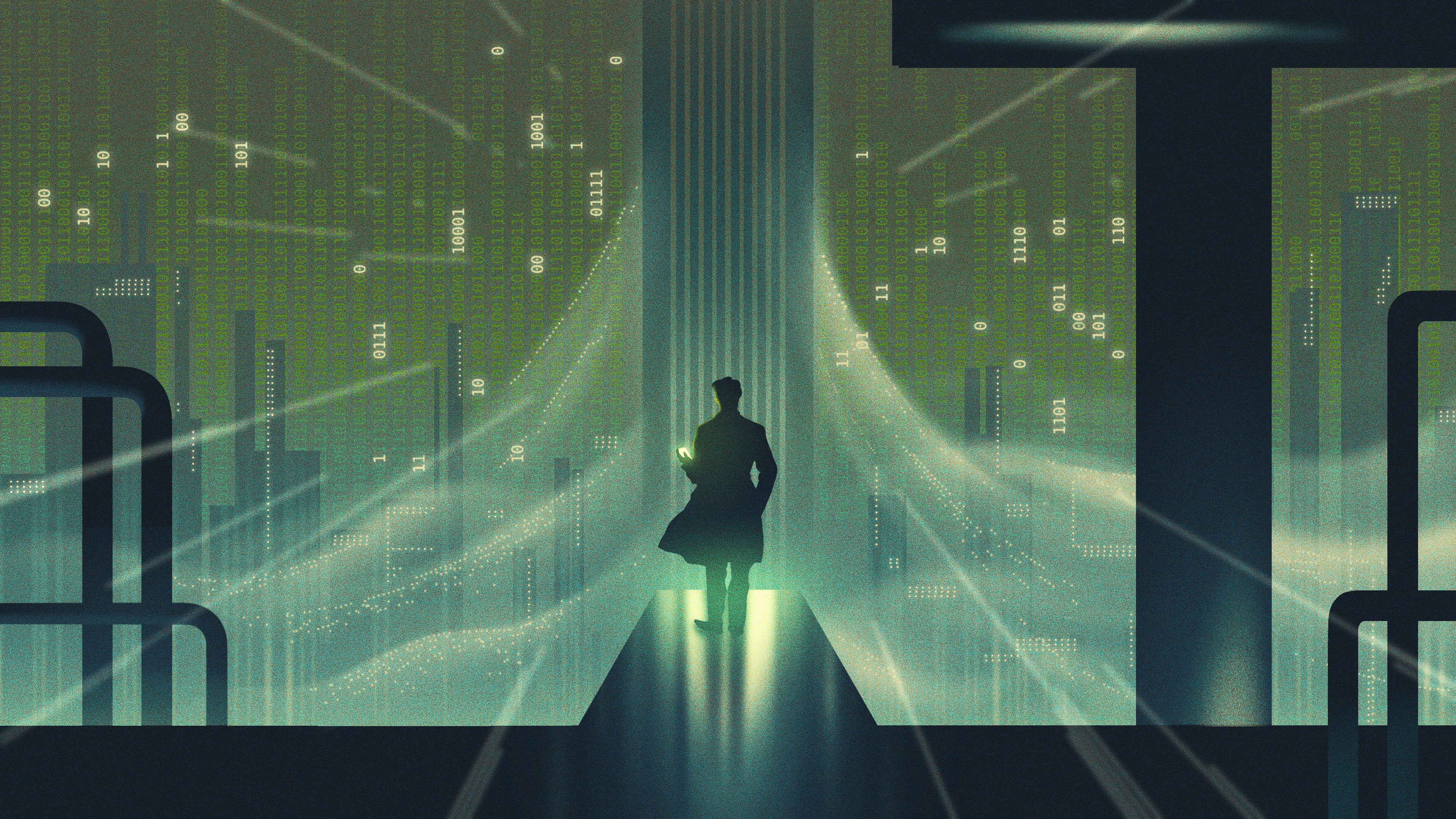
Imagine a frictionless day: notifications say a store worker has delivered ingredients from the recipes you saved last night. While coffee brews, programs compare toilet paper and get bids for garage repairs. On the commute, your schedule reshuffles around the dentist. At lunch you learn someone claimed $150 in unclaimed money for you. This is the future OpenAI, Meta, Google and others are selling.
Perfect efficiency is not the same as a good world
These agents are supposed to grab back time and money that human laziness leaves on the table. People don't switch phone plans or adjust retirement accounts because of paperwork and inertia. An agent, tireless and shameless, catches every flash sale, every rebate.
But that vision only tells half the story of efficiency. As one Boston University economist points out, much of online commerce runs on limited human attention. Once agents activate everyone's attention at once, the business of profiting from inertia collapses.
Machines that haggle can also blow up markets
Real-world scenes are already strange. One user's agent called a pharmacist who refused to speak to an AI, and the agent itself suggested: 'The fastest path is probably you calling yourself.' On a call-centre forum, workers keep getting asked 'are you human?' Some joke back, 'I'm a real boy.'
Now picture one million agents all switching to a brand of paper towels because it is three cents cheaper. The same salad costs $18 one week and $38 the next. Electricity swings from $150 to $450 a month. Economists call this hyperswitching: theoretically a win for consumers, but markets lose their brakes. A bank or telecom could be emptied overnight.
Companies are already pushing back. Hospitals use AI to make billing codes more complete and charge patients more. McDonald's reportedly uses AI to tune prices by store and item. Amazon now blocks Meta's agents and pushes its own shopping agent instead. A big bank announced it would not let outside agents into customer accounts.
You still pay at the end
Even if agents drive down prices, the money does not vanish. Banks add fees on checking accounts, Amazon raises consumer prices, platforms cut deals that make agents 'prefer' certain products, just as Meta now has arrangements with Walmart and Sephora.
Things will feel smoother and more convenient, but the middlemen have simply been rearranged. The deeper cost is abstraction: when decisions are buried in black-box reasoning, the habit of checking an agent's work will quietly disappear.
Why it matters
The significance is not whether agents can haggle, but that their success would strip the brakes off the economy. The slowness, forgetfulness and hesitation caused by human limits have been quietly protecting us from being collectively swept away by a single price cut or rate move.



Curated from high-quality sources, with concise summaries and key takeaways.

