If the US bans exports of DUV immersion lithography tools to China today, China could produce only about one percent as many AI chips as the US by the mid-2030s — the strongest lever America still holds.
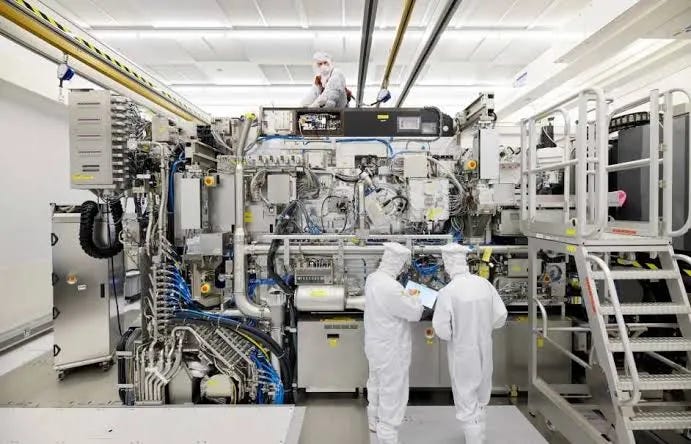
Saif Khan says on the podcast that China had about 170 DUV immersion lithography tools before the 2023 controls, and the number has roughly doubled since because some less advanced models are still allowed for export.
One machine that makes chips
DUV immersion lithography tools print the fine features on advanced chips, and only Japan and the Netherlands make them. The report estimates China won't have a commercial home-grown version until the mid-2030s.
If the US stops exports today, China's AI chip production is likely capped at around ten million a year. If exports continue, the uncertainty ranges of US production could overlap with China's — effectively giving away the entire lead.
The policy window is still open
The MATCH Act now before Congress includes potential controls on these tools. Even if it doesn't pass this session, acting within a year or two would still have enormous long-term impact.
While the Trump administration has not rolled back existing controls, AI policy has shifted quickly, making rigorous research especially valuable right now.
Why it matters
What makes this report unusual is that it turns 'do export controls still work' from a slogan into arithmetic. It shows the US that its most powerful lever is not computing power itself, but a machine China cannot yet build.
Curated from high-quality sources, with concise summaries and key takeaways.

