Electric washing machines took four decades to catch on in America, held back less by technology than by class and racial ideas about whose work laundry was.
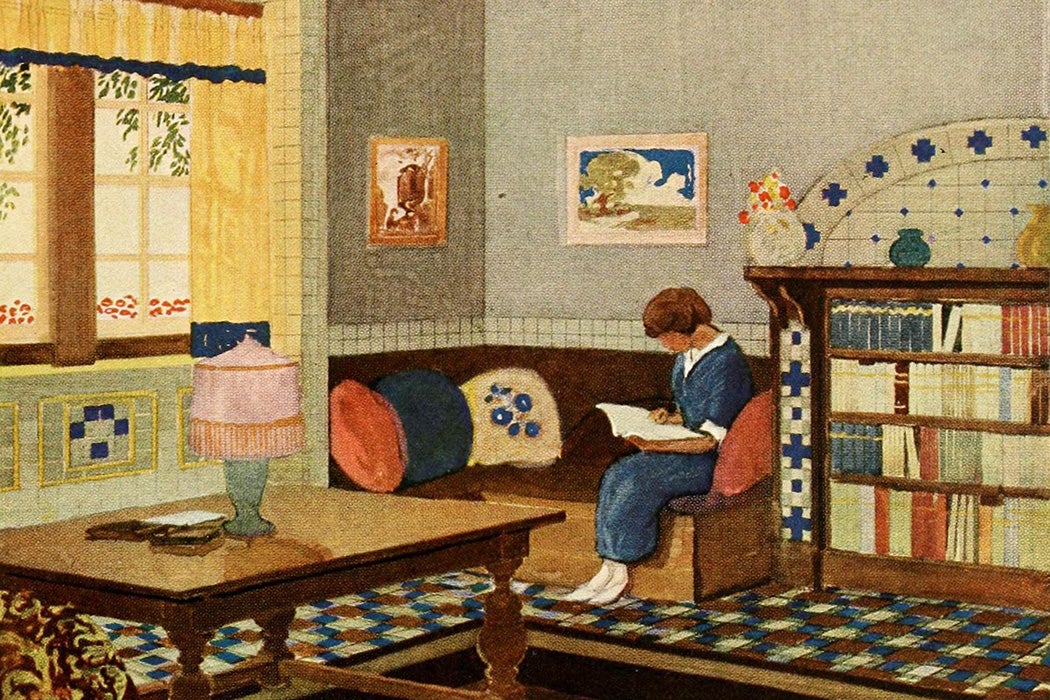
A labour-saving appliance ought to sell itself the moment it appears. Vacuum cleaners and electric refrigerators did. Yet electric washing machines, introduced in the 1910s at half the price of a fridge, faced an uphill road for decades.
Laundry was not 'ladylike'
In the nineteenth century, hand-washing clothes was the chore housewives hated most: long, heavy and unpleasant. Anyone who could afford it outsourced the work to servants or commercial laundries.
In the American South, racial and social dynamics built the highest wall. Even working-class white families sent their washing to Black laundresses. Laundry had become 'Black women's work', and a machine could not make it ladylike.
Maytag, the industry leader, simply stopped selling in the South for the first half of the 1930s. Advertisers even resorted to overtly racist arguments to steer white families away from Black laundresses.
You still had to stand there
Early machines were semiautomatic. Between each cycle, someone had to feed every item through powered wringers by hand. You could not set it and leave.
Rinse tubs alongside the machine tripled the floor space, making the whole setup far bigger than today's washers. For households already short on room, this was more trouble than help.
Meanwhile the commercial laundry industry competed hard. In 1928 power laundries did $700 million of business against $108 million in home washer sales. Each side claimed the other's machines spread bacteria.
A patent tollbooth meets the Supreme Court
In the interwar years Maytag largely controlled manufacturing through royalty licences. The company was said to invest more in legal services than R&D. That paid off until the Supreme Court invalidated its key patents in 1939.
What finally put washing machines into American homes was the post-war boom and fully automatic machines. By the 1950s, the washer had won.
Why it matters
The washing machine's slow take-up shows that a technology's fate depends on who uses it and whose status it threatens — here, class and racial lines. An appliance is never just an appliance; it is a mirror of social assumptions.

Curated from high-quality sources, with concise summaries and key takeaways.

