Tuesday, 20 October 2026
Picked from the best of the world's press

Cap with curled gills of a Laccaria laccata (deceiver, lackluster laccaria) Focus stack of 13 photos.
Dominicus Johannes Bergsma. · Wikimedia Commons · CC BY-SA 4.0
In 2026 US wealth concentrated faster than ever at the very top: the richest 0.1% captured two-thirds of the wealth gained in a single quarter while the middle class kept shrinking.

A meta-analysis of 192 studies finds that about a third of people who ever develop a mental health disorder do so by 14 and two-thirds by 25, though the peak age varies widely by condition.
A new book argues that treating sunlight as an enemy has gone too far: a 20-year study of nearly 30,000 Swedish women found that avoiding the sun carried a mortality risk roughly on par with smoking.

EVs and hybrids outsold pure gas cars globally for the first time this year, yet they were just 6.4% of US new-car sales even as gas rose from $3 to $4.50.

Many of the extreme ages accepted by longevity science rest on people denying their own records, lost paperwork and a certifier who promoted race science — and still passed validation.

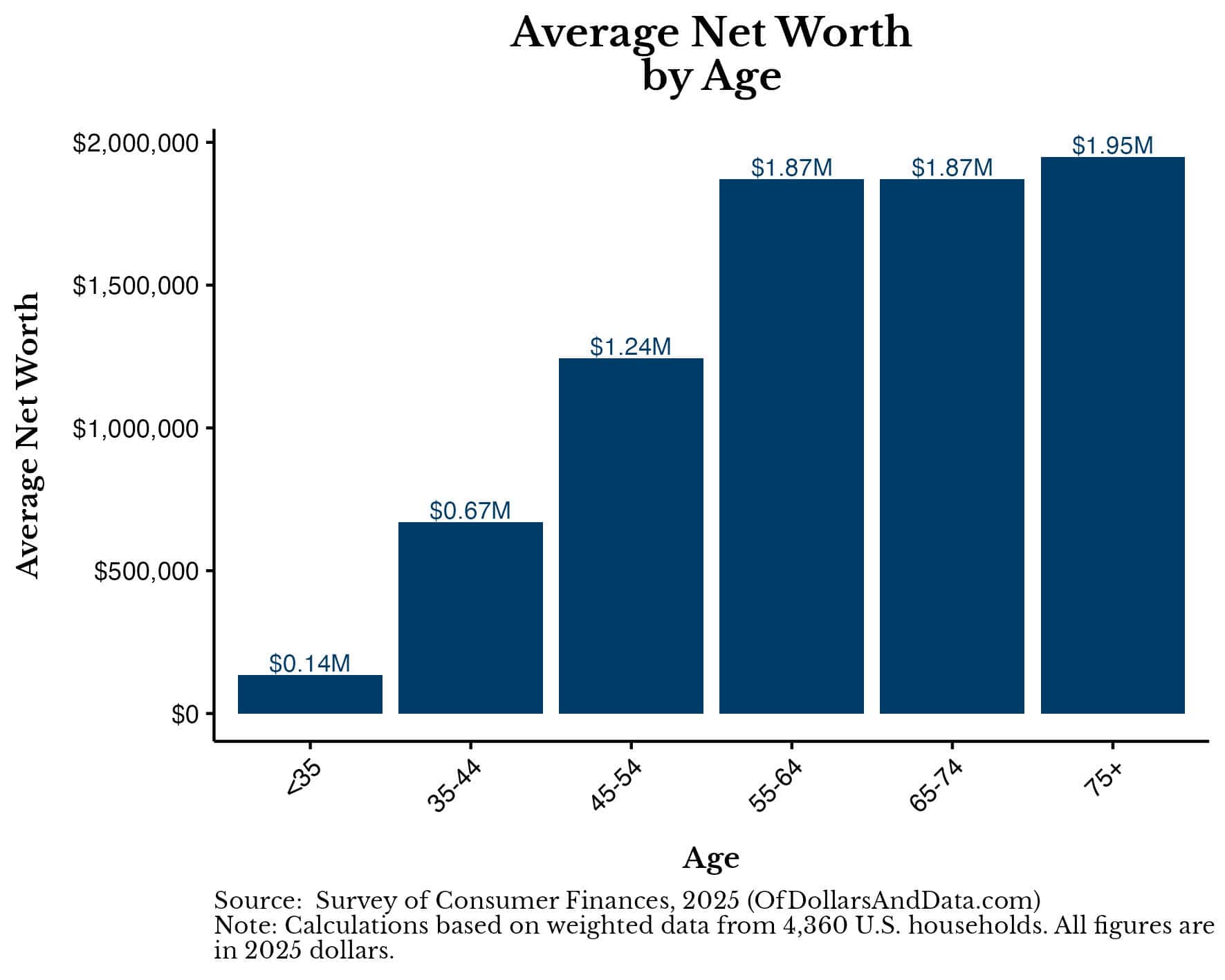
The Federal Reserve's 2025 survey puts average US household net worth at $1.23 million, but the median is only $216,100, a gap stretched by the very rich.
AI capabilities are racing ahead for individuals, but inside companies they stall against two walls: one broken link spoils everything, and the organisation itself is a mess nobody fully understands.

Roman sexual permissiveness belonged to free men alone: they could use male and female slaves and children at will, while being penetrated was a disgrace. Early Christians fused the Jewish ban on extramarital sex with Roman monogamy to invent male fidelity, and legislated for the first time to protect women forced into prostitution.
A GitHub project called Reverse Engineer Anything went viral as people used AI to tear apart the proprietary software on smart TVs, baby monitors and dead hardware, rebuilding it without the ads and locks.

Divide a state's public debt by its population, then by GDP per capita, and Connecticut comes out at 27.4% against Tennessee's 2.5% — a rough measure of how much future risk each state is carrying.