Using human and chimpanzee brain organoids, a new study finds that an ancient retrovirus which infected apes but not humans silenced a neural development gene in chimps, and the human lineage escaped it.
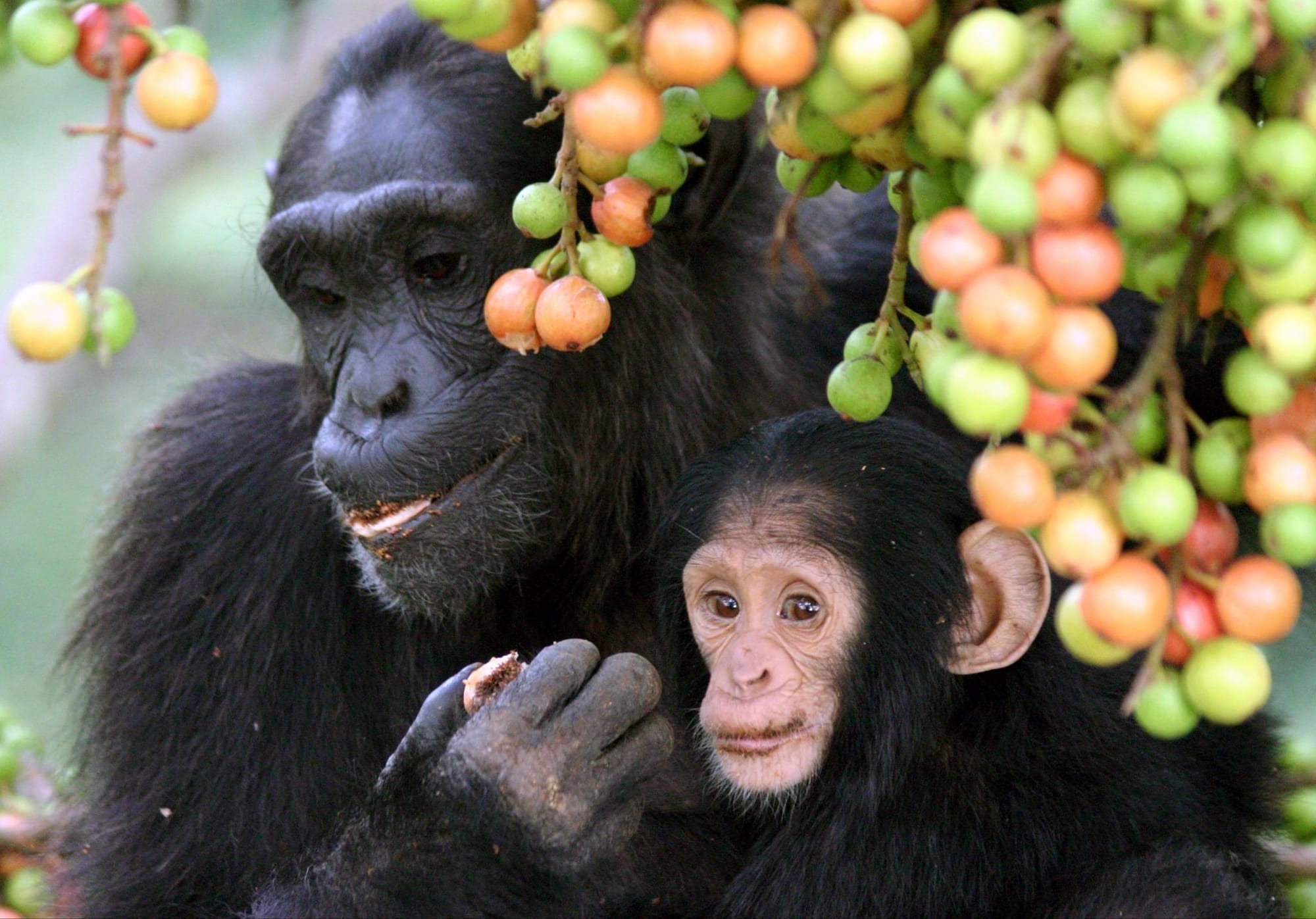
A retrovirus that infected African apes 5 to 7 million years ago left PTERV1 insertions in the chimpanzee genome that silence a gene affecting neuronal maturation. The human genome has none of these insertions, so that gene keeps working.
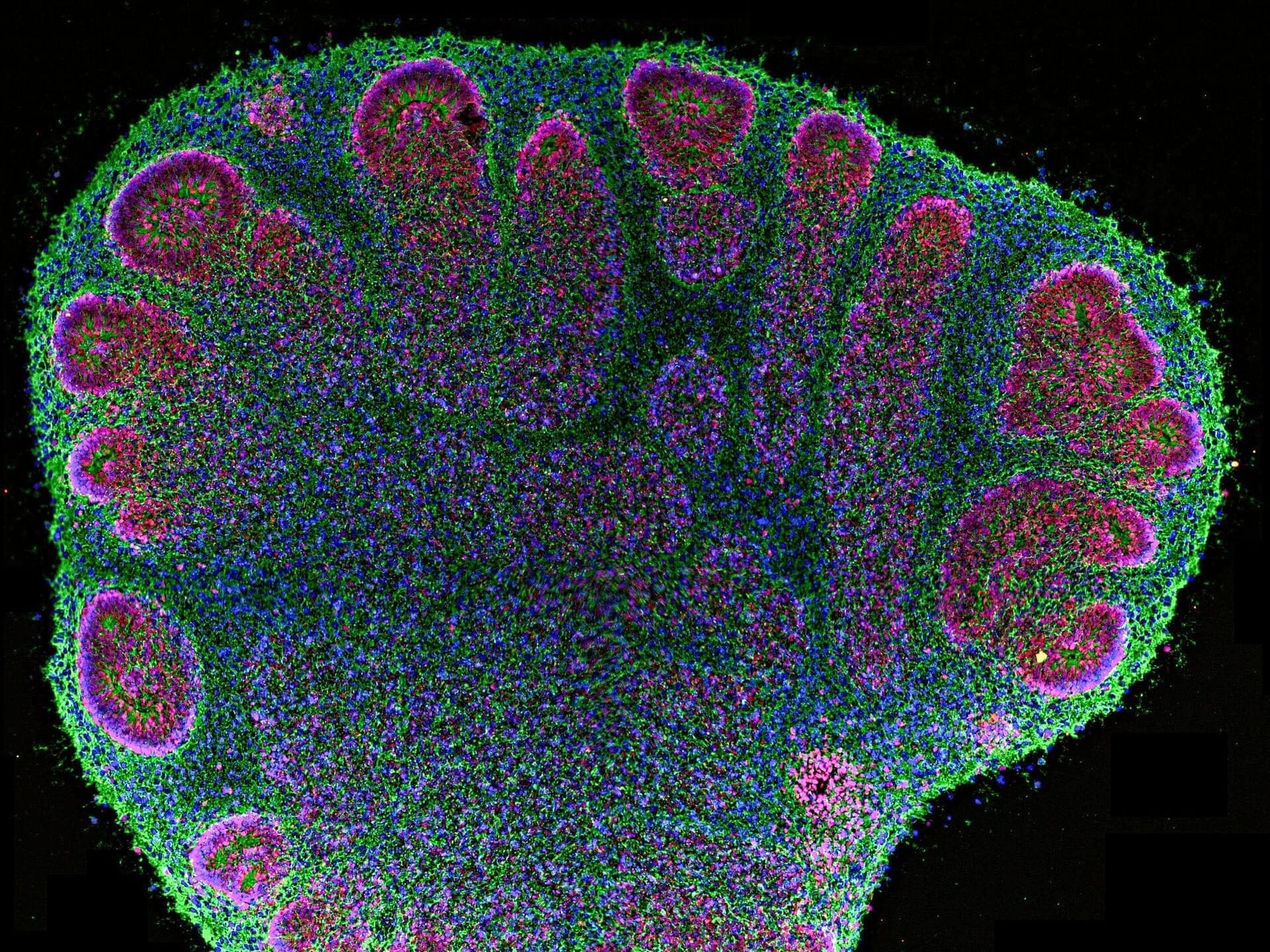
The researchers reproduced the difference using human and chimpanzee brain organoids. Dodging a virus may have quietly rewired our brains along the way.
The human brain is three times the size of a chimp's, and this explanation for it feels a little arbitrary.

Curated from high-quality sources, with concise summaries and key takeaways.

