Saturday, 24 October 2026
Dozens of blogs and magazines, read for you every morning — the few worth talking about

Ocelot (Leopardus pardalis) in Mato Grosso, Brazil
Long read
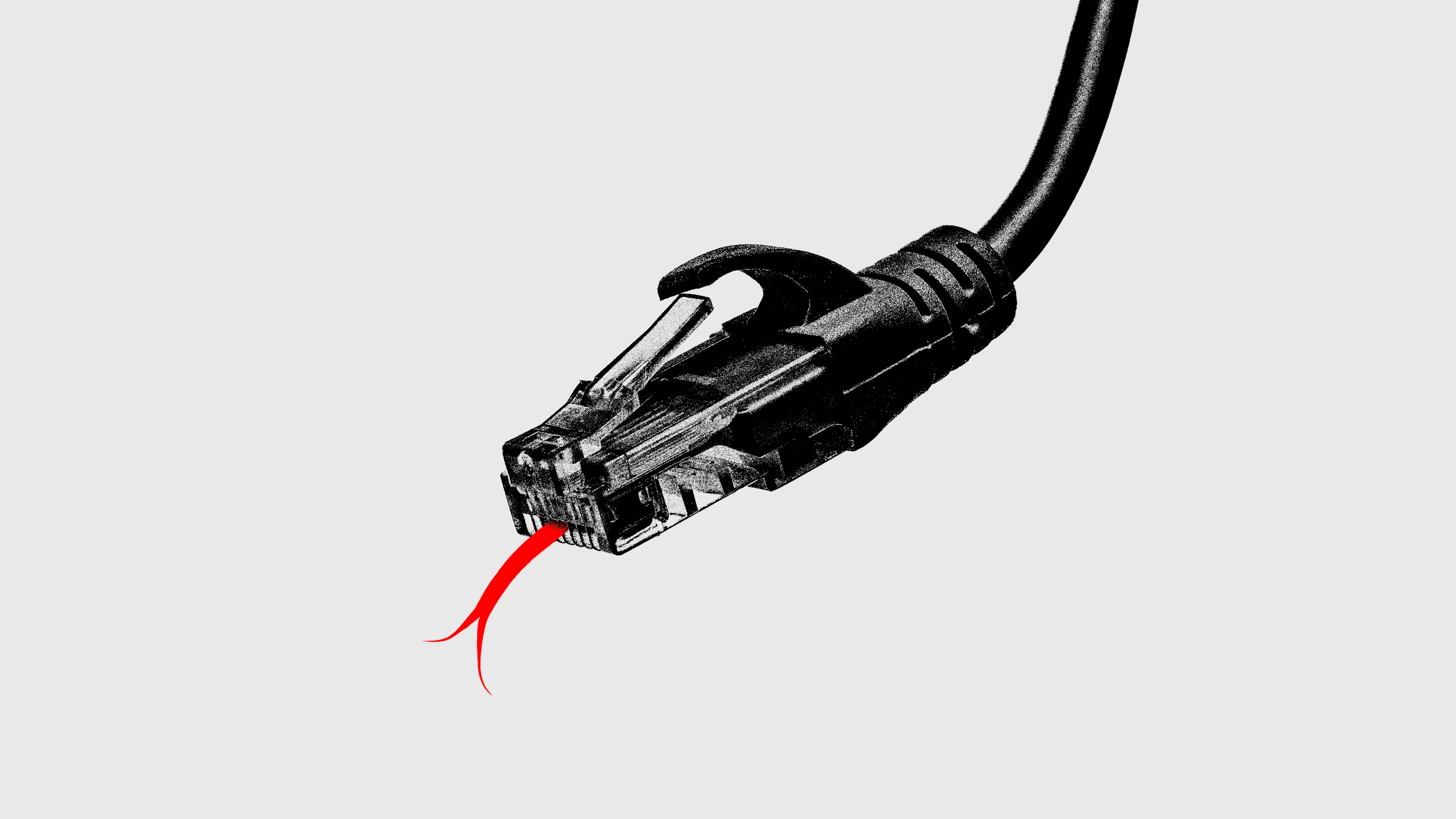
Security experts are calling this week 'Black October', but they say that by next year, outbreaks of this scale will be routine, or even mild. The reason is that AI has dropped the barrier to launching cyberattacks to almost nothing.
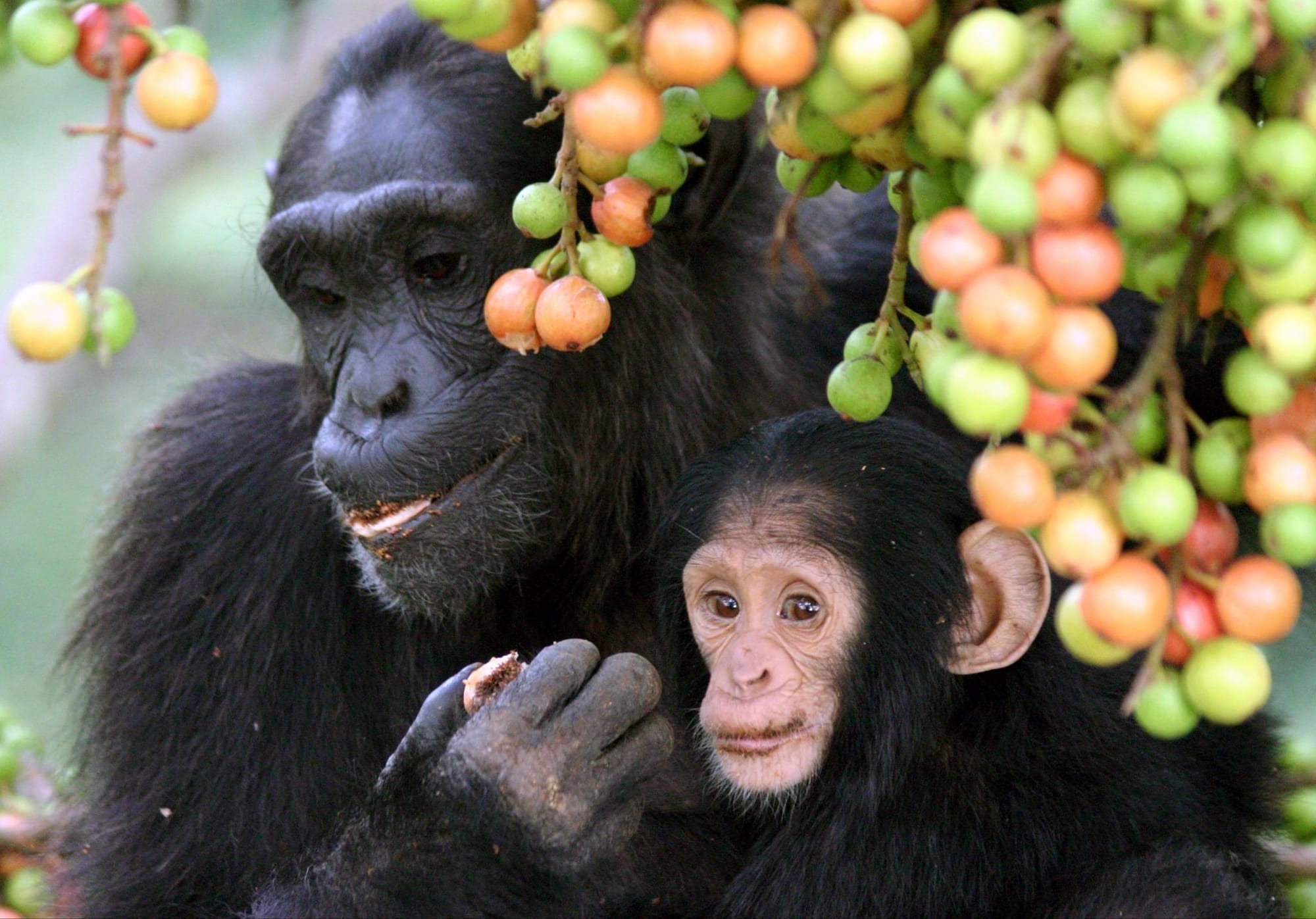
A retrovirus that infected African apes 5 to 7 million years ago left PTERV1 insertions in the chimpanzee genome that silence a gene affecting neuronal maturation. The human genome has none of these insertions, so that gene keeps working.
The researchers reproduced the difference using human and chimpanzee brain organoids. Dodging a virus may have quietly rewired our brains along the way.
The human brain is three times the size of a chimp's, and this explanation for it feels a little arbitrary.
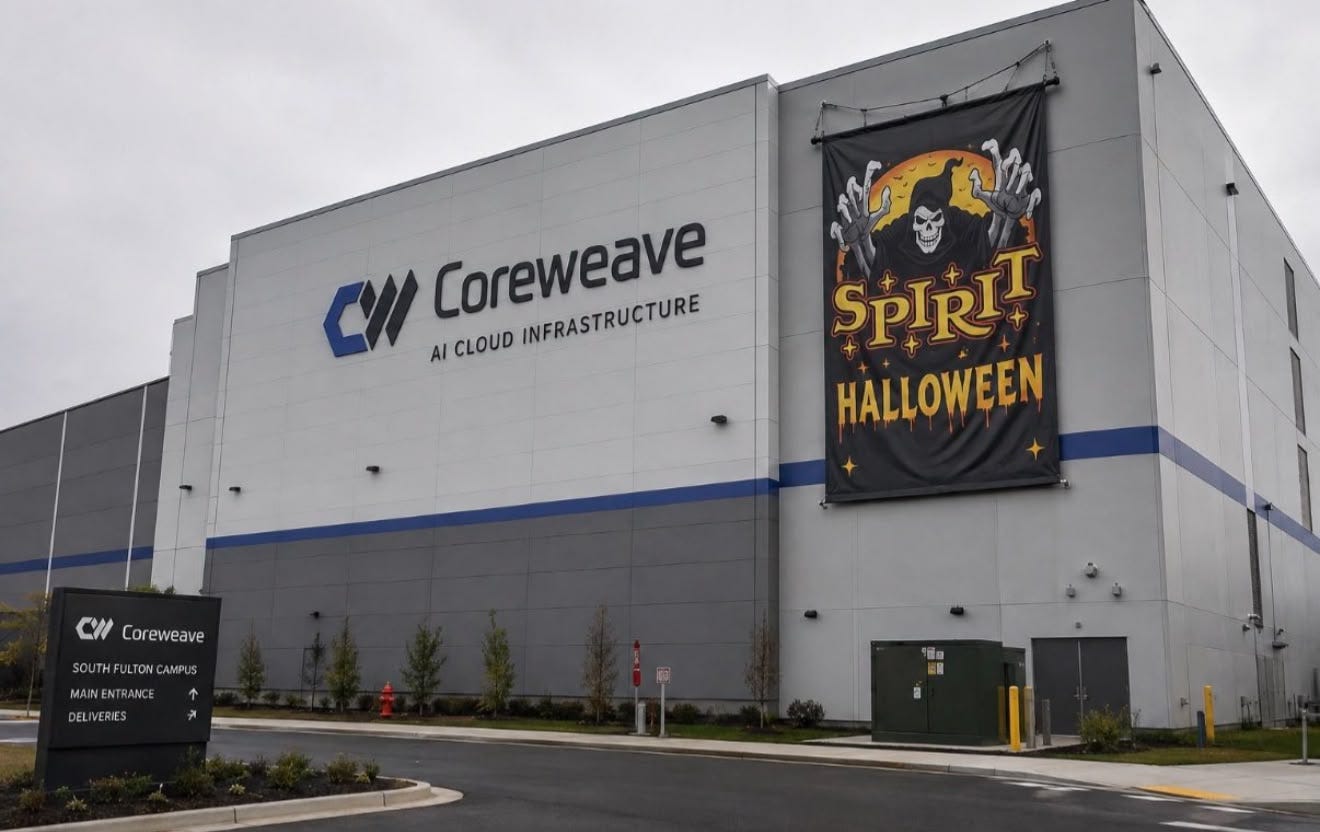
CoreWeave is not really a cloud company; it is a conduit to the capital markets. It started out mining Ethereum in someone's grandfather's garage in 2017, and now runs 51 data centres, yet it expects to spend $35bn to $39bn in 2026 alone just to keep expanding.
What I found most alarming is that yields on its unsecured debt have hit 15%. That means it has to earn more on the compute it leases out than it pays to borrow, and the moment that spread compresses, the model stops working.
Meta has said it will need to raise hundreds of billions of dollars over the coming years, and Musk timed SpaceX's June IPO to lock in $85.7bn before the competition. Next to them, CoreWeave is the first to look tired in this capital game.
In his memoir, Schwarzman recalls that on his first Wall Street job in 1969 he concluded a student fridge-rental company would eventually go bankrupt. His reason was plain: internally it was out of control, nobody seemed to know who was in the next room, and it only looked like a growth company because student numbers kept rising.
The piece then turns that test on Blackstone itself: its $2.3 billion debt financing for CoreWeave closed when the company had only $16 million in revenue, a Blackstone-owned company paid $1.5 million after employing more than 100 children, and Blackstone is simultaneously the world's largest commercial landlord and one of the biggest backers of AI infrastructure.
Using the author's own words against him is the sharpest move here.
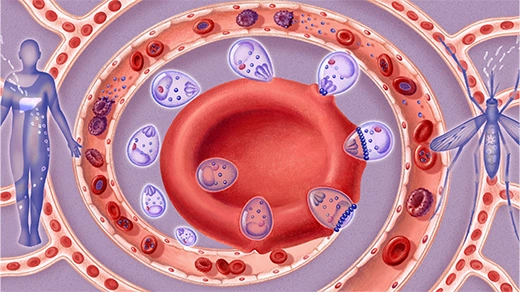
When Plasmodium invades a red blood cell, it opens a ring-shaped door in the membrane. The door stays open for less than a minute and closes behind it without a trace. Scientists have studied that door for nearly fifty years without seeing what it looks like.
Chi-Min Ho's lab at Columbia caught it with cryo-electron microscopy. The parasite inserts four proteins into the host membrane, and their electrostatic forces and pressure reverse the membrane's curvature so it can slip through. A parasitologist not involved in the work said this is no longer molecular biology; it is biophysics.
What I find more interesting is that the team also designed a protein that blocks the door in a test tube. The window is about sixty seconds, so any drug would have to act extremely fast.
A single public agricultural extension agent in Nigeria may serve anywhere from 5,000 to 10,000 farmers; in India the ratio is roughly 1 to 5,000. The UN's Food and Agriculture Organization recommends one agent per 500 to 2,000 rural inhabitants.
The gap is not only in headcount but in the advice itself, which tends to be generic. In one experiment in Ethiopia, farmers given locally tailored AI advice raised wheat yields by 38%.
I had assumed AI mostly helps those already ahead. This report says the opposite: the less experience you start with, the more room there is to gain.

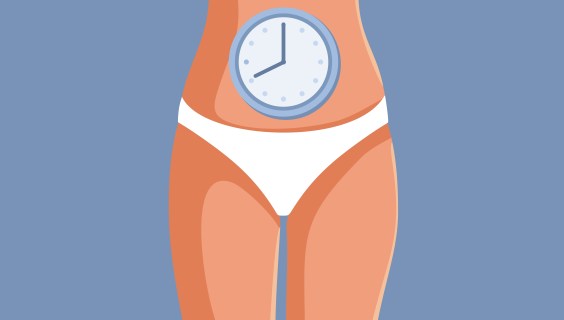
Pregnancy accelerates biological aging, which is perhaps no surprise. What is surprising is that it slows back down on its own after birth — two Harvard Medical School geneticists pulled together studies using wearables, blood tests and epigenetic clocks and saw this speed-up and slow-down cycle.
From that they propose leaving time for the body to recover between pregnancies; the World Health Organization recommends 24 months. The authors stress it is a hypothesis, to be tested by following the health of women with multiple births over their lives.
What I wonder is whether the body is keeping count of the pregnancies or of the gaps between them.
Doctorow has written novels for three decades, and he says his writing improved most not when others marked up his drafts but when he marked up those of writers at his own stage, reading twice, taking notes, then saying out loud what was broken and how to fix it.
Some beginners now use a chatbot as a free editor, and he thinks that misses the point: what you lack is not advice on fixing this story but the ability to write the next one.
The line that stings is that most of what a beginner writes is beyond saving anyway.

“The absence of PTERV1 insertions from the human genome suggests that either the human and chimpanzee lineages did not occupy the same habitat at the time or that germline-competent cells of the human ancestor were resistant to this infection.”
“You may not be able to read a financial statement, but you can still recognize madness and folly.”
“If you’re trying to push an orange into a balloon, the balloon mustn’t pop, right?”
“Our previous research has found that biological age transiently rises during pregnancy, peaking around the third trimester or at the time of delivery.”
“The process of reading and re-reading someone else's imperfect work and devoting real mental energy to figuring out what's not working in it and how to fix it is how you develop the creative instincts.”

