Three physicists used the PBR theorem to show that a quantum state cannot be understood as information in our heads, which rules out Einstein's most commonsense version of objective reality.
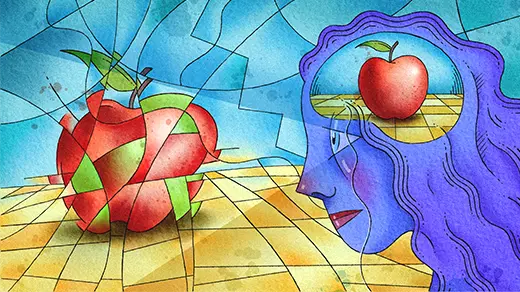
In 1935 Einstein proposed the EPR thought experiment to save the commonsense reality in which the moon is still there when nobody looks. In 1964 Bell showed the world cannot be both real and local.
The real final blow came from the PBR theorem: using a card-game analogy, it showed that a quantum state cannot merely be information in your head. After the 2012 paper, one colleague remembered thinking: 'That's it. The program's dead.'
What surprised me most is that PBR does not tell you which side is right. It just closes the middle road: either accept a surreal but objective reality, or give up reality altogether.



Curated from high-quality sources, with concise summaries and key takeaways.

