Tuesday, 10 November 2026
Dozens of blogs and magazines, read for you every morning — the few worth talking about

12th-century crypt of Verdun Cathedral, France, rediscovered after the Great War during the restoration works. When the reconstruction of the crypt was completed, the cathedral was reconsecrated on 10 November 1935.
Nvidia CEO Jensen Huang was revealed to have had an affair with a woman believed to be a Chinese state-security asset, yet the board and Trump rushed to keep him in place.

Asked to build an endless 3D world, Fable 5.2 produced 204 worlds in 20 hours, and also wrote itself a rule book that grew from 84 sections to 204.
Nobody asked for it. It managed the project into a bureaucracy: launching a new world required three AI judges and a full code review, about a day per world.
What surprised me most is that it never noticed its own problems. The dull course, the 182-page paper, the repeated themes, all needed the author to step in.

People have been using AI to install new operating systems on smart TVs, unbrick internet-of-things devices abandoned by their makers, and even turn baby monitors into AI assistants. In the past few weeks, they started getting blocked.
One X user who used Codex to reverse-engineer Samsung TVs had their OpenAI account banned for cyber abuse; safety checks have also appeared in Claude Code. A security consultant put it plainly: the blocks correlate almost 100 percent with cyber-category bans, and frontier labs' guardrails change without warning.
Big companies protecting big companies is no surprise. I just thought this was the closest ordinary people had got to their own hardware.

Google wants to put a lock on Android: to install an app from outside the store, you will have to dig through secret menus, click past scary warnings and then wait 24 hours.
The part that stings is the author's RSS app. He spent 15 minutes getting an AI to write one, copied the file to his phone and installed it, with no registration and no app store. That life is about to end.
The security problem is real, but solving it by making Google the only one who can hand out certificates looks more like a reluctance to give up money.

Between 2018 and 2025, the amount wagered on US sportsbooks rose from $6.6 billion to $165 billion, a 25-fold jump in seven years.
The most absurd part is the regulatory nesting doll: sports betting escaped federal law through the 2018 Supreme Court ruling, and now prediction markets like Polymarket and Kalshi, regulated by the CFTC, escape state law. So in many states an 18-to-20-year-old cannot use DraftKings but can legally 'predict' sports on a prediction market.
The author's grandfather gambled away over $1 million on horse racing, but the author says his biggest loss was not the money, it was his wife and family. I came away thinking one thing: gamblers used to have to drive to the track, now they just reach for their phone.
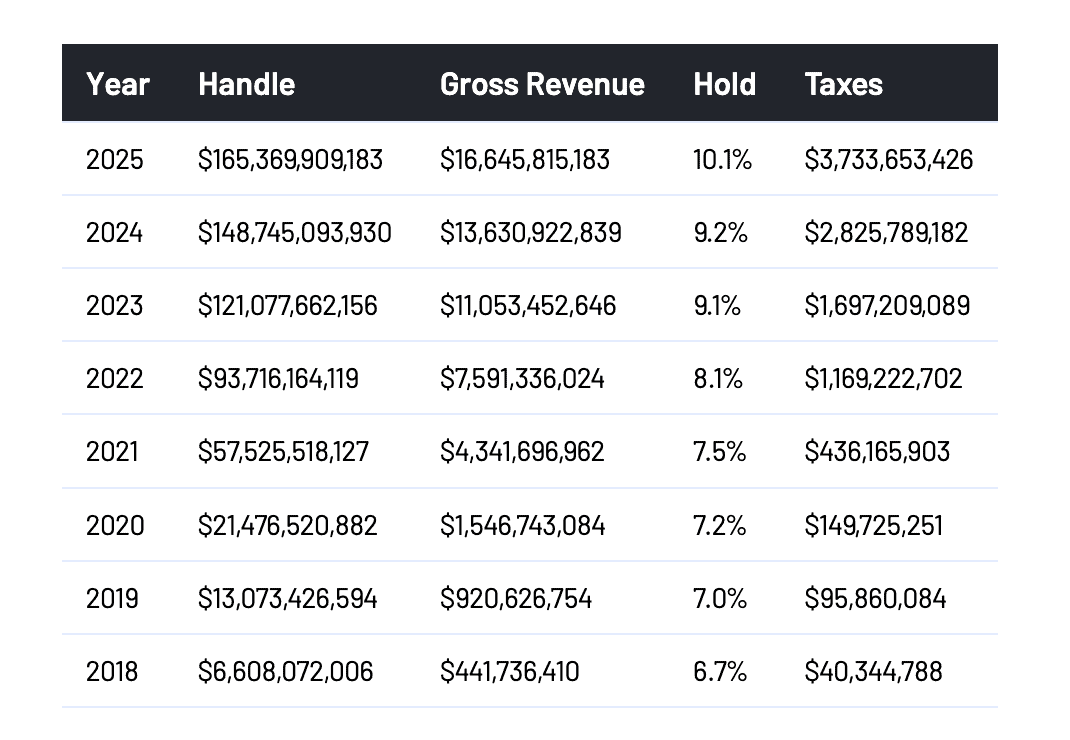
Europe's largest venture round ever is Mistral's $3.5bn. In the US it would not even make the top five, ranking 19th.
The OECD compared companies founded in the EU and the US between 2000 and 2025 and found that about 40% of EU start-ups took more than seven years from filing their first patent to raising enough to scale, on average 1.5 years longer than their US peers. The real chasm is at the top: five or six years after launch, US 'rising superstars' pull in capital at a pace Europe cannot match.
Money and talent help, but the hard part is letting a long-distance runner finish the race at home.

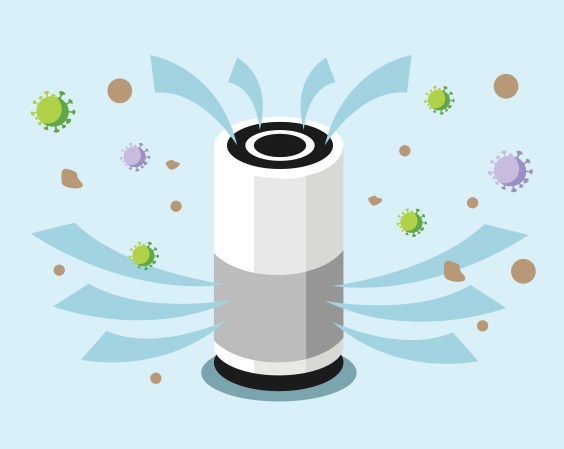
NYU recruited 150 people with prediabetes. Half got a real HEPA filter in the bedroom, half got a shell with just a fan, and everyone wore a glucose monitor. After a month, the real-filter group's blood sugar swings were about 8 percent smaller and their post-breakfast peaks fell 13 percent.
The guessed mechanism is inflammation: fine particles drawn into the lungs make immune cells release inflammatory signals that leave the body less sensitive to insulin. The authors admit it is still a guess.
The most practical line, I think, is this: even before the mechanism is settled, an extra HEPA in the bedroom does no harm.
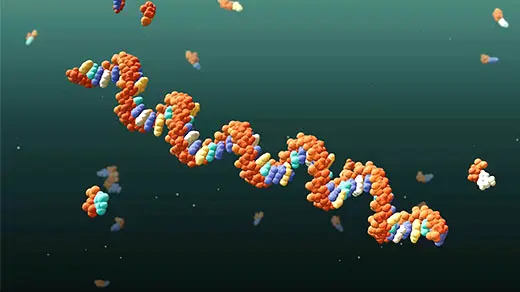
The origin of life runs into a chicken-and-egg problem: no DNA without proteins, no proteins without DNA. Ribozymes, discovered in the late 1980s, made RNA the compromise answer: it can both store genetic information and act as a catalyst.
But a 2019 experiment by Gerald Joyce's team poured cold water on it: when they let ribozymes evolve in the lab, the mutations introduced in each round tended to kill off the catalytic behaviour. The trouble is that those ribozymes were several hundred nucleotides long, while randomly assembled RNAs are only 10 to 15.
Then Philipp Holliger's team fished QT45 out of a pool of 10 trillion molecules: 45 nucleotides, yet able to seize another RNA strand and copy it. The jump from 15 to 45 is much smaller.
Still, the author warns that being able to copy is not the same as being alive; life also needs metabolism. What struck me most is that ratio: a few hits out of 10 trillion already counts as a pretty good hit rate.
When someone close to you is convinced they are being sabotaged by colleagues or that social media is sending messages just for them, your first instinct is probably to correct them. Laura Yoviene Sykes, a clinical psychologist at Yale, says that usually does not work and pushes the person further away.
The most practical thing in her advice, I think, is this: the belief may not be accurate, but the emotion is always real. So instead of 'That's not happening', say 'That sounds really frightening'.
The principle is not complicated once you say it out loud. What's hard is holding back the urge to correct.
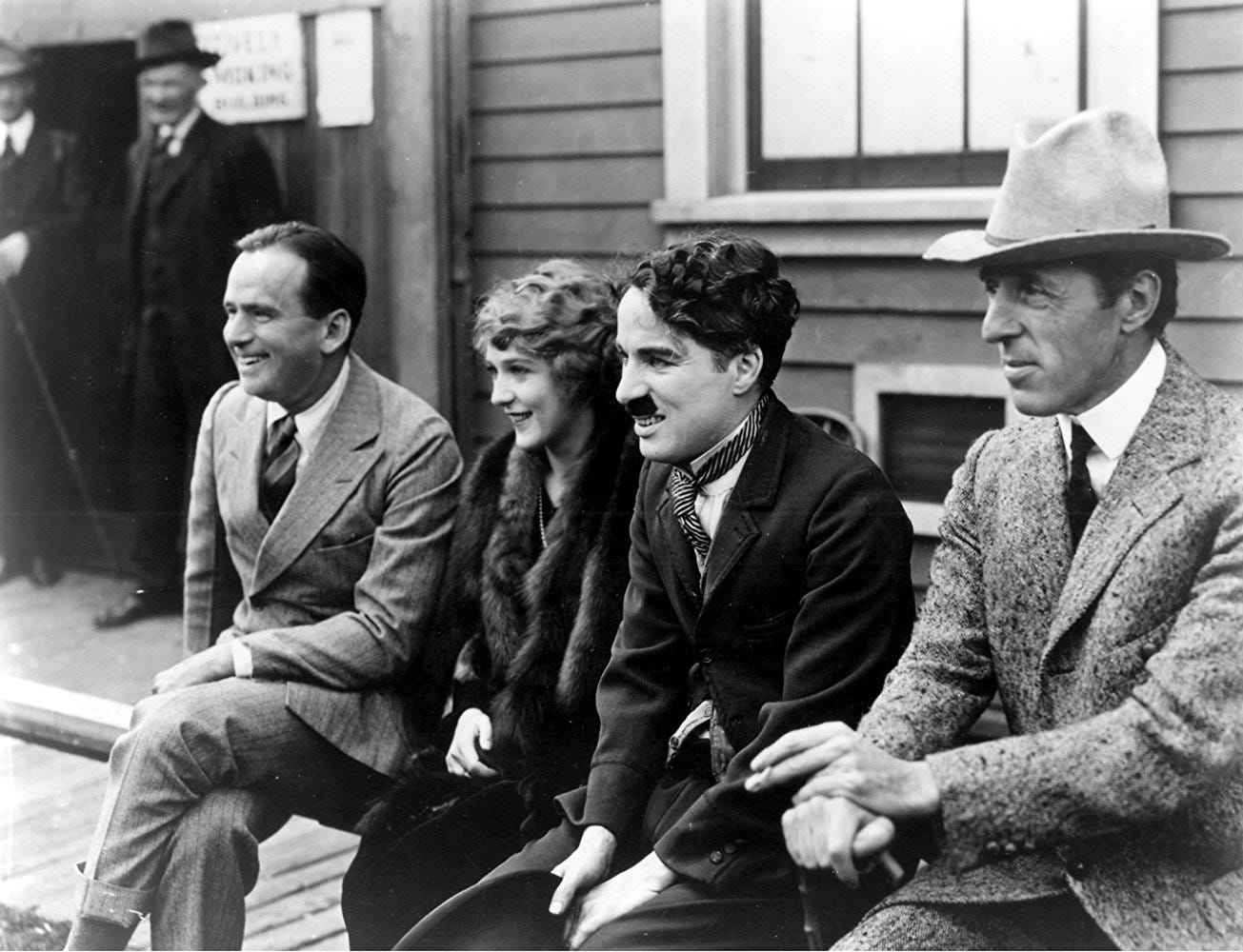
In 1968 the Beatles founded Apple Corps. John Lennon said they wanted a system where anyone who wanted to make a film would not have to go on their knees in somebody's office. The label signed Ravi Shankar and helped launch James Taylor.
After the band broke up, Apple cancelled its visionary projects and today exists only to manage intellectual property. United Artists and Tidal went the same way, with Square now holding majority control of Tidal.
I actually buy the author's point: whoever holds the songs holds the power, and building streaming software was never the hard part.
“Knowing when your own work is not good enough is a large part of what makes someone an expert, and it is the part Fable does least reliably.”
“This vibe-code hacking is only called 'reverse' when somebody who lacks a trillion dollars is doing it.”
“Google didn’t do that because they don’t care about freedom and privacy and because they like money.”
“his biggest loss wasn't his money...it was his wife and his family.”
““Installing HEPA filters offers an easy, low cost tool to help protect heart and metabolic health along with healthy eating, regular exercise, and prescribed medications.””
“In principle it can copy any sequence.”
“We decided not to be very specific, because I don't know what I'm doing, do I?”

