NYU recruited 150 adults with prediabetes, put real HEPA filters in half their bedrooms and filterless fans in the rest, and after a month the real-filter group's blood sugar swings were about 8 percent smaller.
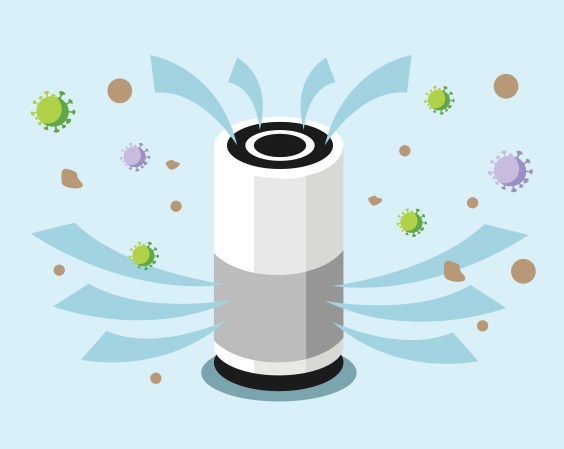
NYU recruited 150 people with prediabetes. Half got a real HEPA filter in the bedroom, half got a shell with just a fan, and everyone wore a glucose monitor. After a month, the real-filter group's blood sugar swings were about 8 percent smaller and their post-breakfast peaks fell 13 percent.
The guessed mechanism is inflammation: fine particles drawn into the lungs make immune cells release inflammatory signals that leave the body less sensitive to insulin. The authors admit it is still a guess.
The most practical line, I think, is this: even before the mechanism is settled, an extra HEPA in the bedroom does no harm.


Curated from high-quality sources, with concise summaries and key takeaways.

