TL;DR
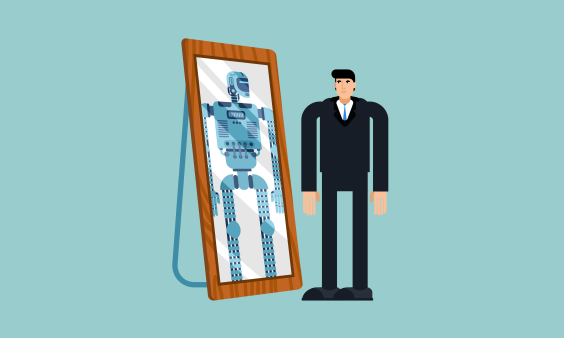
Frequent interaction with social robots can subtly reshape people's expression and identity to fit AI's capabilities, resulting in a diminished sense of personhood.
TL;DR
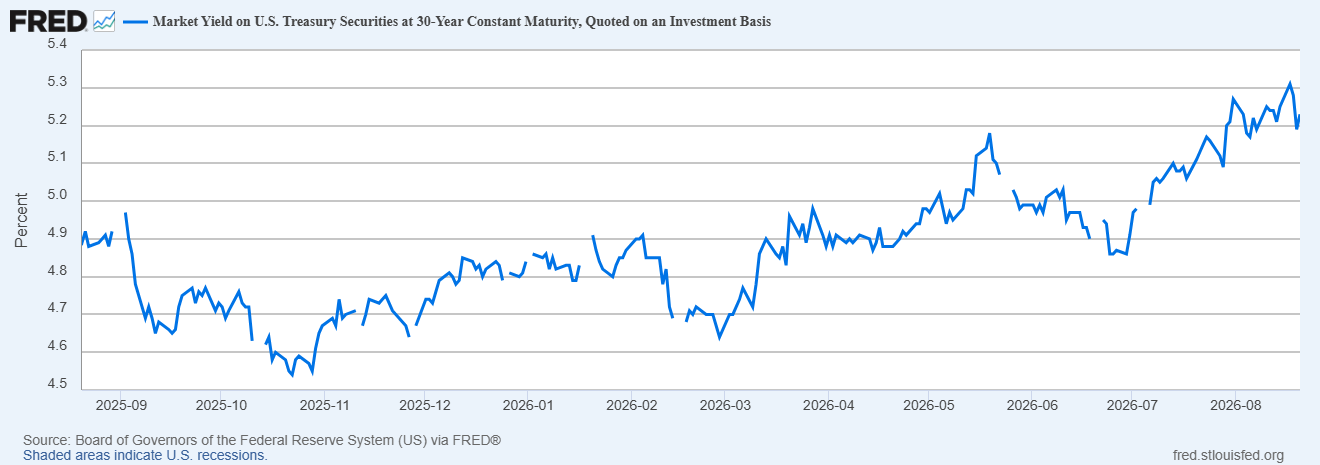
The small rise in long-term U.S. Treasury yields is not a sign of a bond market collapse, but the huge national debt and unwise policies still warrant caution.

TL;DR
Re-reading her ancestor Hiram Bingham's memoir, the author finds 19th-century missionaries and today's effective altruists think alike, and their wins and losses still carry lessons.
TL;DR
When users don't know an image's provenance, AI-generated photos are judged no less trustworthy than real stock photography; trust depends more on content than on how it was made.

TL;DR
Computer scientists have made the first major advance in 30 years on the Komlós conjecture, showing that even with huge numbers of objects and attributes, imbalance can be kept almost constant.

TL;DR
The success of the AI industry relies not just on talent but on historical luck—the coincidence of massive parallel computing and internet data—much like being born on third base.

TL;DR
Armies in video games often feel off because they ignore the society behind them; good military design must mirror the political and economic structures of its world.

TL;DR
US Treasury Secretary Bessent calls himself the nation's top bond salesman, but recent auction yields have surged to multi-year highs, suggesting his sales performance is slipping.

TL;DR
Sand is not infinite; surging global demand has turned it into a pressing crisis.

TL;DR
A year after publishing his personal finance book, the author thanks readers for the high ratings and encourages more reviews to boost visibility.

