A new study ran hundreds of thousands of possible futures through a machine-learning shortcut and found Antarctica will lose more ice than it gains this century, even if warming is held to 1.5C.
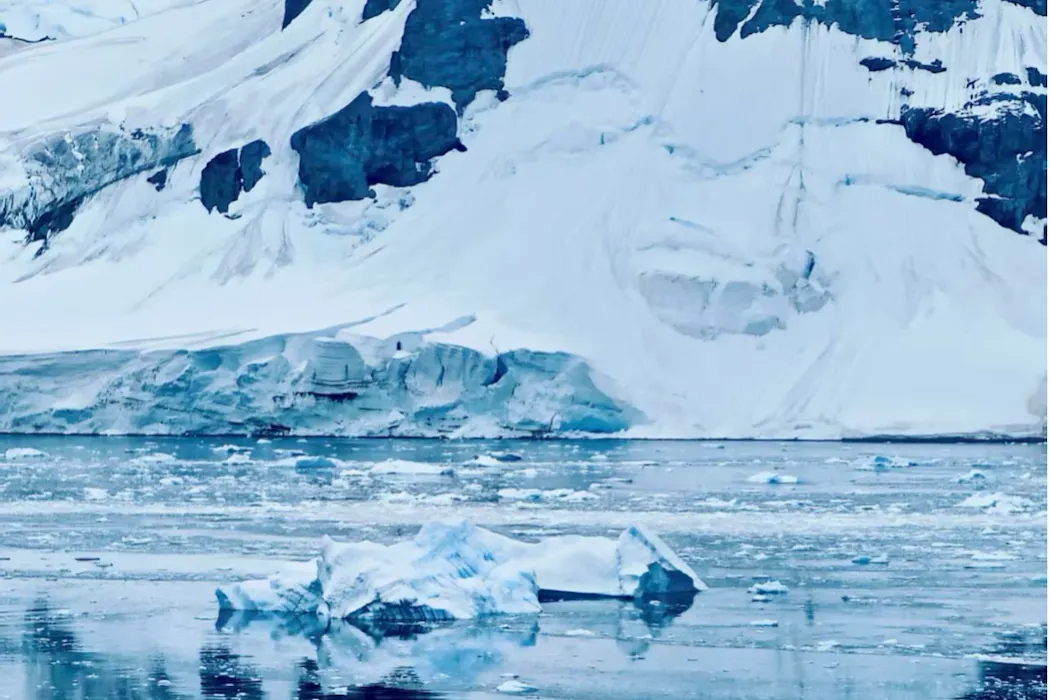
Melt all of Antarctica and global sea level rises by roughly 58 metres. The number is frightening, but the question that has split scientists for decades is simpler: this century, is the continent gaining ice or losing it?
Antarctic ice depends on a chain. Emissions decide how much the ocean and air around it warm; that warmth decides how the floating ice shelves melt; and when shelves thin, the glaciers behind them slide faster. Every link rests on assumptions researchers dispute, and the errors compound.
Letting machine learning do the running
A single ice-sheet simulation used to keep a supercomputer busy for days. The team took a shortcut: they trained a physics-informed machine-learning model on an existing archive of simulations, so it could predict outcomes in a fraction of a second with similar accuracy.
That let them test millions of combinations, then filter them against satellites that have been weighing the ice sheet from space since 2002. Only scenarios matching what the satellites actually saw survived, and they all point one way: more ice lost than gained.
Warmer air does hold more moisture, so more snow will fall on Antarctica. That extra snowfall cannot cover the losses. The idea that snow will bail the continent out is an illusion.
Every tonne of emissions counts
Under very high emissions the dominoes fall faster: a warm ocean thins the shelves, weakened shelves break apart, glaciers pour into the sea. Antarctica alone could add 25 centimetres of sea level by 2100, permanently flooding the homes of more than 10 million people.
Run it the other way and every tonne of emissions avoided today means less ice lost this century, a benefit that lasts for hundreds of years.
The study has gaps. Today's simulations still omit how ice cracks and breaks, and how rivers and lakes beneath the ice sheet change over time. Those unknowns may decide how much time coastal communities have left to adapt.
In the end, Antarctica owes nobody a miracle. It only keeps score of how much coal and gas the world stopped burning.
Why it matters
Sea level is not a smooth upward line but a step that is hard to walk back once crossed. Turning Antarctic melt from uncertain to locked in means coastal cities can no longer budget their flood defences, relocation plans and land use around the optimistic scenario.



Curated from high-quality sources, with concise summaries and key takeaways.

