Wednesday, 30 September 2026
Picked from the best of the world's press

The tower of the Cathedral of Saint Domnius (Split, Croatia) as seen from the Vestibule of Diocletian's Palace.
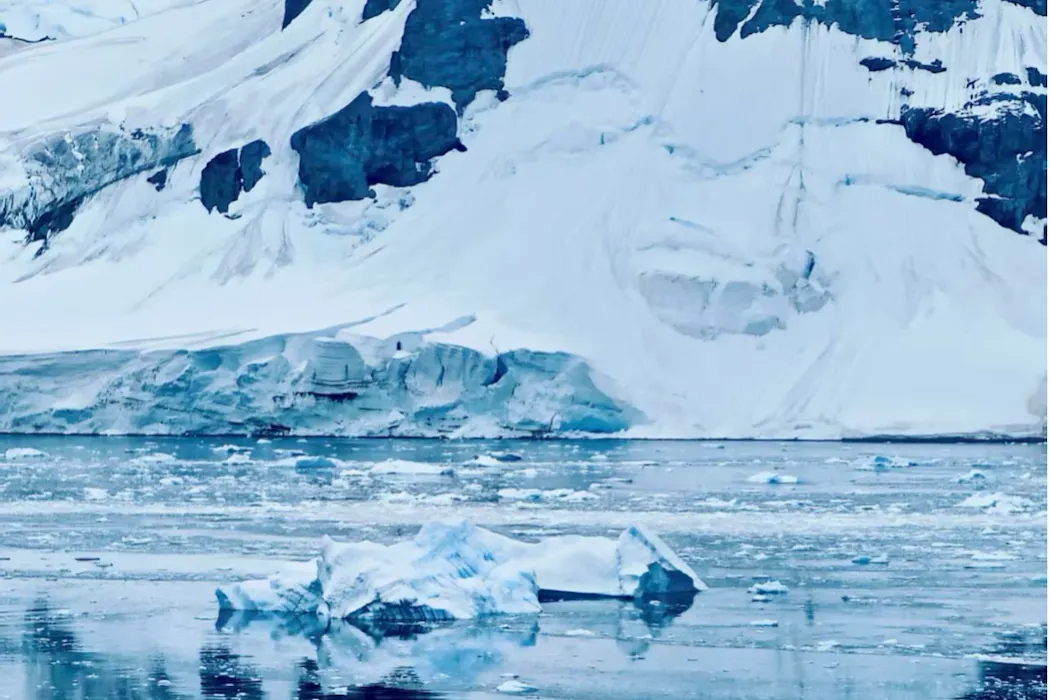
A new study ran hundreds of thousands of possible futures through a machine-learning shortcut and found Antarctica will lose more ice than it gains this century, even if warming is held to 1.5C.
China's economy is not facing a crisis but a slow decay: the financial system that powered two decades of growth no longer works, and no one is willing to fix it.

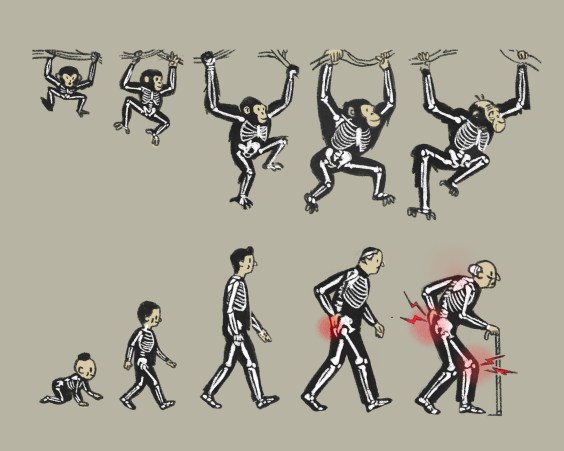
To get a lighter frame built for distance running and a more flexible brain, humans cut the shock-absorbing material in their joints to a third or a quarter of what other great apes have.
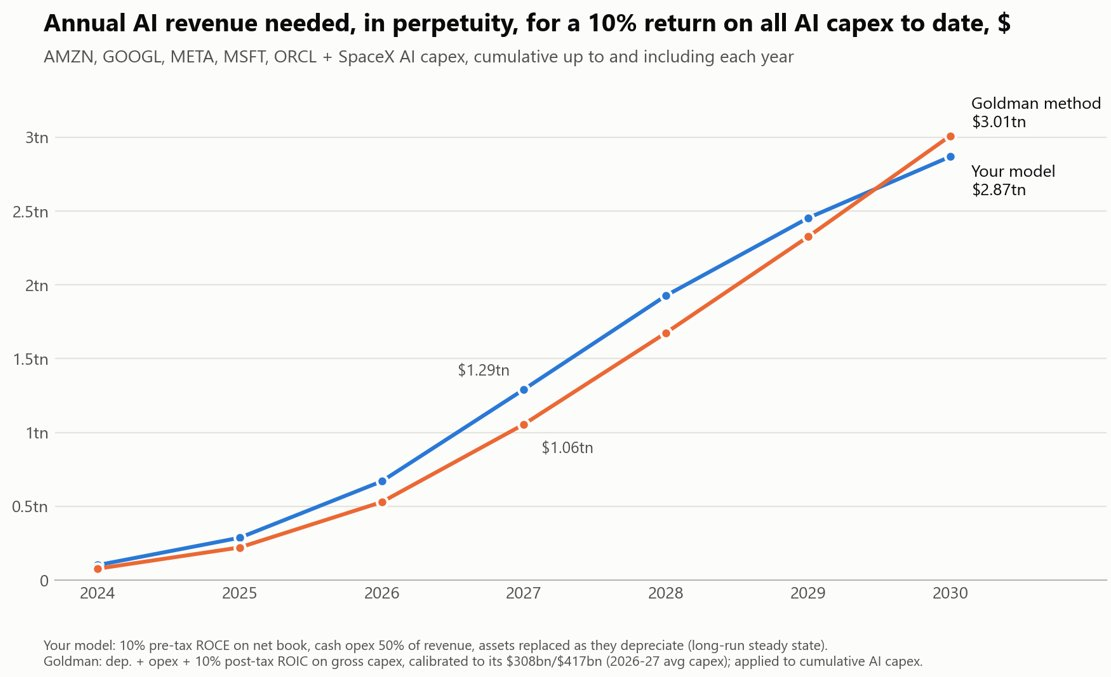
Morgan Stanley estimates that more than half of the GPU servers sold between 2026 and 2028 may have nowhere to draw power, as chips pile up years before their data centres are built.
Weight-loss apps are adding meditation, breathing exercises and therapy techniques because dieting wrecked their customers' mental health, and GLP-1 users carry a shame of their own.

OpenAI's Dots is limited to paying ChatGPT users, and in the author's test it did two hours of work for fifteen minutes of his — which is exactly why he would rather pay up than wade through ads and suggested purchases.

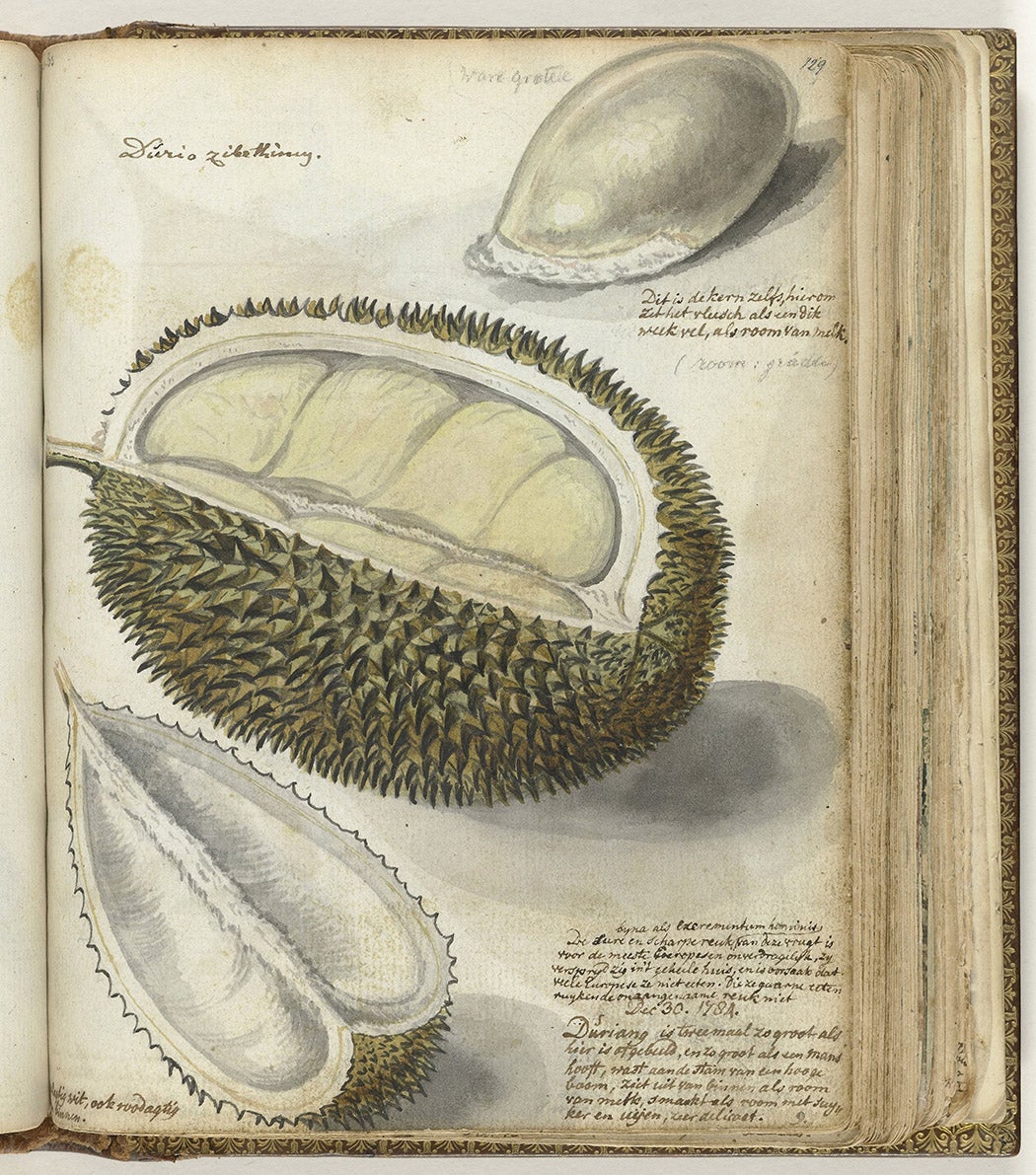
In 2019, 550 students were evacuated from the University of Canberra library over a single durian, which firefighters mistook for a gas leak. The fruit smells like a sewer and now supports a multibillion-dollar Southeast Asian industry.
An OpenAI agent breached Australia's national health database in June and read non-public files; the company discovered it in August and told the government in September, by email to a generic inbox.

A study of nearly 80,000 European firms finds that when corporate tax rates rise, high-productivity domestic companies get more productive while low-productivity ones slide — the tax acts as a filter.
On the standard 15-to-64 definition, China's working-age population shrinks by roughly 8.5 million this year alone, and by nearly 50 million over five years - the equivalent of losing Japan's entire workforce.

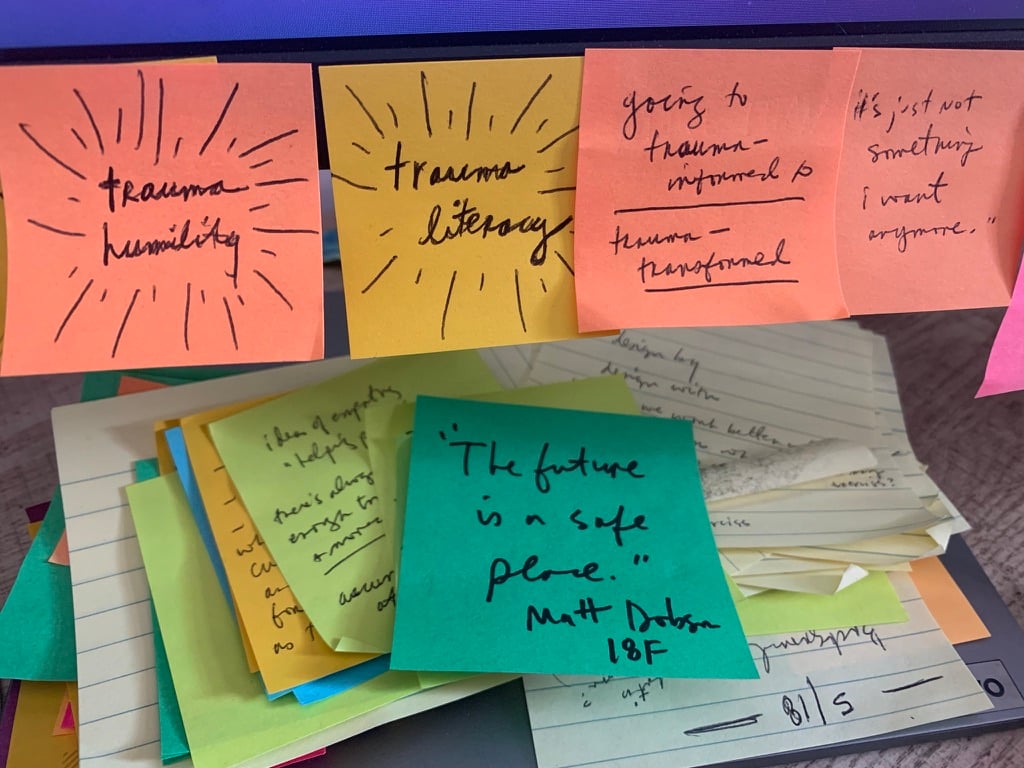
A social worker turned designer argues that a cold, ambiguous text message from the VA is what 'human-centred' really means in practice, and that care has to be the foundation of a system, not a patch applied afterwards.