A German teenager and an American boy never fully woke after ordinary anesthesia, and their symptoms traced back to a little-known mitochondrial mutation from one Venezuelan state that turns a common anesthetic gas into a lethal key.
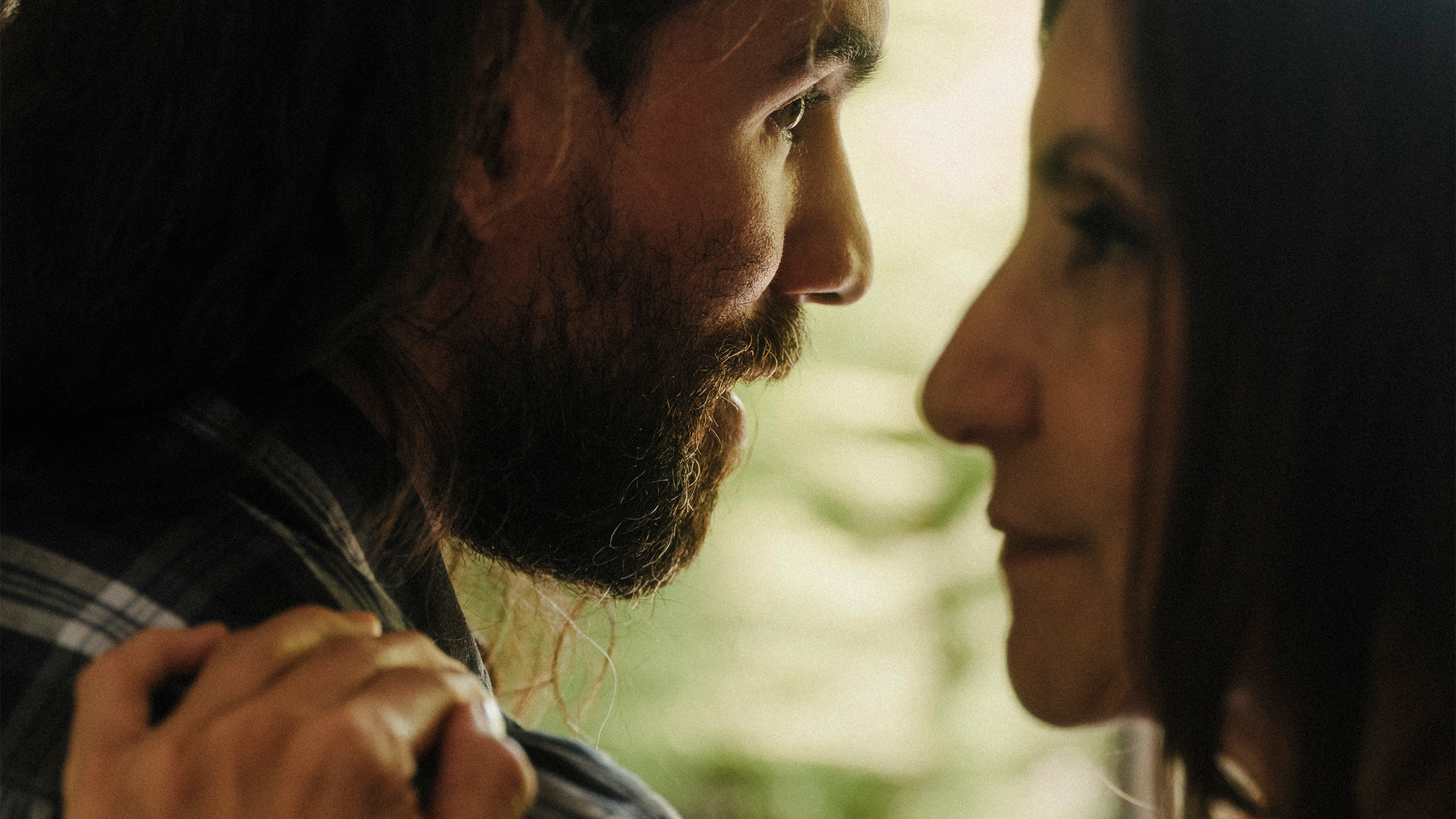
In 2006, 14-year-old Uli broke his arm snowboarding in Bavaria and went into surgery under a completely ordinary anesthetic. He did not wake on schedule. When he finally did, hours later, he gradually lost control of his limbs. His brain scan showed two strange white spots in the basal ganglia — dying brain cells.
In 2013, his mother Yaremy, an internist, flew him to Houston for genetic testing. The report found no known disease-causing mutations, only a few 'variants of unknown significance.' She filed it away.
Twice in one family is not a coincidence
In 2020, her cousin's son Matías also failed to wake up after knee surgery in the US, also under sevoflurane — a colorless, faintly sweet gas and the world's most widely used pediatric anesthetic. His MRI showed the white spots 'in exactly the same places as Uli Gabriel.'
One child affected is an accident. Two is inheritance. Yaremy compared the two genetic reports: her mother and her cousin's mother are sisters, and mitochondrial DNA passes only down the maternal line, so both families share the same mitochondrial lineage. Both boys carried the same mutation — the 11,232nd letter of the mitochondrial genome had changed from T to C.
Mitochondria are the cell's power plants. Once they fail, the cell loses power and dies; the first to starve are the most energy-hungry cells, neurons, especially those in the basal ganglia.
How the mutation was found
The trail started on the Caribbean coast. Carabobo state is thought to be the mutation's homeland, where it is an estimated fifteen times more common than elsewhere in Venezuela. Decades ago, a cluster of Venezuelan children fell ill after surgery; it was blamed on a 'contaminated' batch of anesthetic gas.
By 2024, five Venezuelan-origin children in Chile had suffered catastrophic outcomes after surgery, and four died. Parents demanded answers on social media. Labs in Chile and Spain then confirmed that cells carrying the mutation are hypersensitive to sevoflurane.
The real answer had been available years earlier. Since the 1980s, anesthesiology had assumed these drugs act on proteins on the surface of brain cells. But a husband-and-wife team in Seattle studying a tiny transparent worm argued that anesthetics actually hit the mitochondria — cutting the power first, so consciousness goes dark. For years their field treated the idea as scholarly comic relief.
In June 2026, Uli's case and the worm doctors' theory landed together on the cover of the journal of the American Society of Anesthesiologists.
The lesson is not the mutation. It is 'nobody knew yet'
The sharpest detail is that Freddy's genetic report had already flagged the mutation. No one understood what it meant, so it was never entered into his chart.
A quarter of Venezuela's population — eight million people — has left the country, scattering the mutation across the US, Canada, Colombia, Peru and Chile. Inside Venezuela, no lab tests for it, and anesthesiologists do not routinely have access to equipment that avoids inhaled gases.
One plain truth
The most dangerous thing in medicine is rarely the enemy you know. It is the sentence, 'Relax, we do this every day.'
Why it matters
Not knowing enough is not the same as there being no risk: a genetic variant labeled 'of unknown significance' sat unread in medical charts for decades because nobody understood its importance, and several generations of children paid for it. It also shows that when a common medical procedure's safety assumptions go unexamined for long enough, the person blamed when it goes wrong is often the one who deserves it least.

Curated from high-quality sources, with concise summaries and key takeaways.

