A lab technician in Siberia died of unidentified pneumonia, and with Russian authorities quarantining 200 people while releasing almost nothing, speculation about plague and even bioweapons filled the gap.
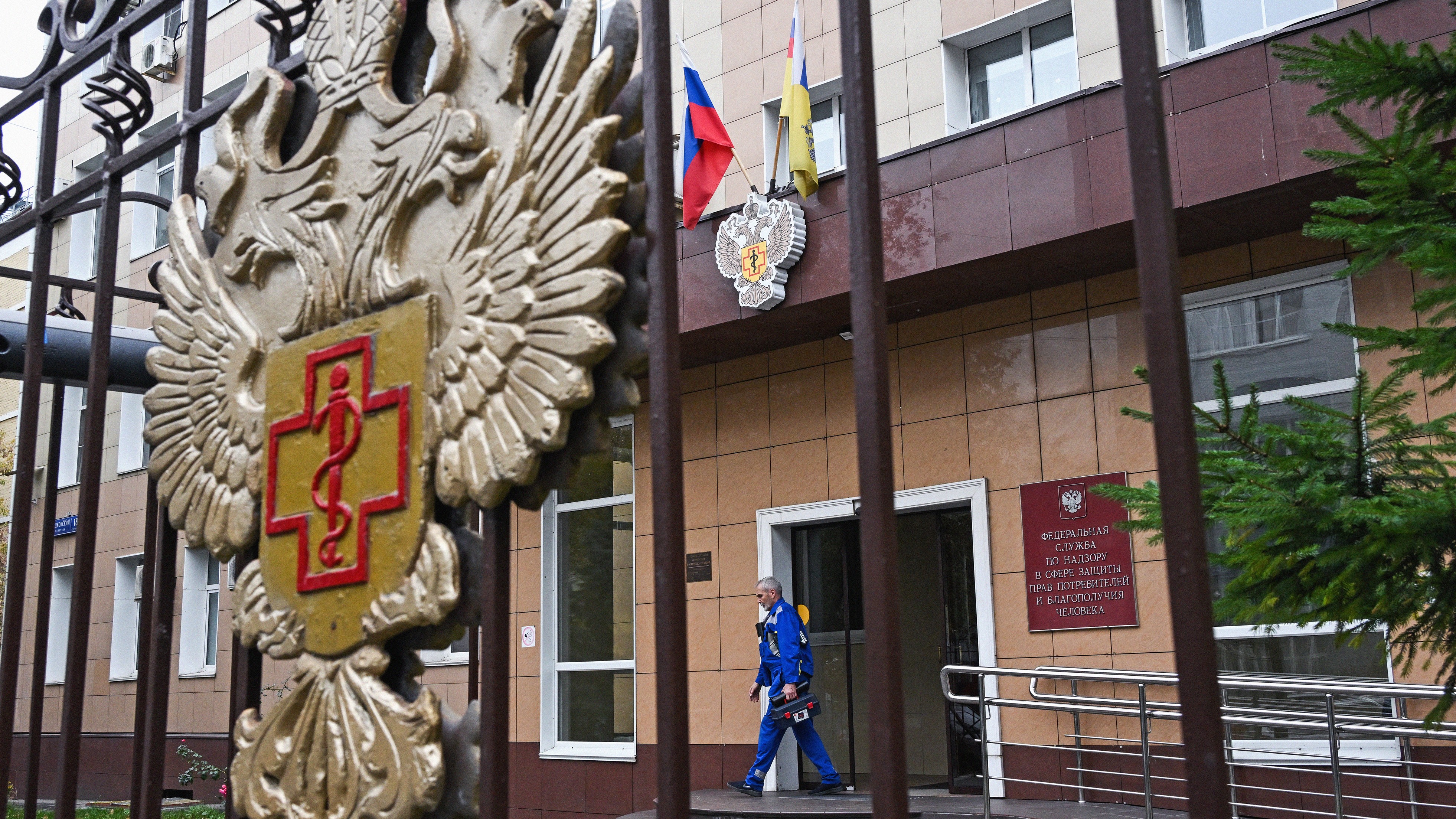
Last week a young technician at a plague research institute near Irkutsk, in Siberia, died of 'pneumonia of unknown cause'. Russian officials released so little that the media had to piece it together: her name was Daria Shipilova, and she was in her late twenties.
One death, two hundred under watch
The hospital that treated her was quarantined, and an aluminium plant in the same town ordered masks for its 2,000-plus workers. The regional governor said contacts of a resident with an 'especially dangerous infection' — about 200 people, according to local media — were placed under medical observation.
Plague itself is not that exotic. It still circulates among animals in many parts of the world: the United States records about seven human cases a year, usually from a flea bite or handling an infected animal.
Even pneumonic plague is not a global threat
Pneumonic plague is the only form that passes between people, carried by droplets from a cough or sneeze that travel just three to six feet. Experts say you have to be very close to catch it.
Quarantining 200 people over a single case goes well beyond standard practice, which is itself telling. And plague incubates in one to seven days, so anyone she exposed would already be sick.
Antibiotics treat it readily, which is why mass plague outbreaks no longer happen. As for the claim that the lab engineered a drug-resistant pathogen, there is no evidence for it.
The real problem is not the germ, it is the silence
In 1979 the Soviets blamed an anthrax outbreak on contaminated meat; more than a decade later Boris Yeltsin admitted it came from a military bioweapons facility. That habit of secrecy is what turns every silence into a vortex of speculation.
Moscow says no microbes linked to her work were found in the samples and no contacts have fallen ill. But when you don't explain, others explain for you.
Another COVID? The experts are firm: pneumonic plague is not it.
Why it matters
An information vacuum never stays empty — it gets filled with the worst available story. The Soviet habit of calling anthrax deaths contaminated meat left a trust deficit that lasted decades. The question worth pressing is not what was in that test tube, but how a government that refuses to share details turns one ordinary death into a global nerve event.



Curated from high-quality sources, with concise summaries and key takeaways.

