Wednesday, 7 October 2026
Picked from the best of the world's press

Coturnix coromandelica (Rain Quail) in Bhigwan, Maharashtra, India.
The author found the same flight priced nearly 45% higher in the browser where the airline recognized his frequent flier account, as loyalty programs become tools for personalized pricing.

Tavos says its new Griffin model is the first AI to pass a video version of the Turing Test; the author argues such indistinguishable digital people must be banned, not launched.

A man convicted of manslaughter in Arizona will be resentenced after an appeals court ruled that an AI-generated video of his victim, played as a victim impact statement, carried undue emotional weight with the judge.

With Houthi forces holding Yemen's side of the Bab al-Mandab strait, cloud giants are paying several times the going rate for land routes across Turkey and Iraq, because more than 90% of Europe-Asia data runs under that 32-kilometre-wide gap.

A survey of nearly 165,000 US employees found that once pay, feeling appreciated and the relationship with one's manager are factored in, the satisfaction advantage of remote work disappears.

Once Anthropic and OpenAI list, they will need at least $50 billion of debt a year, and their actual finances point only to a junk rating.

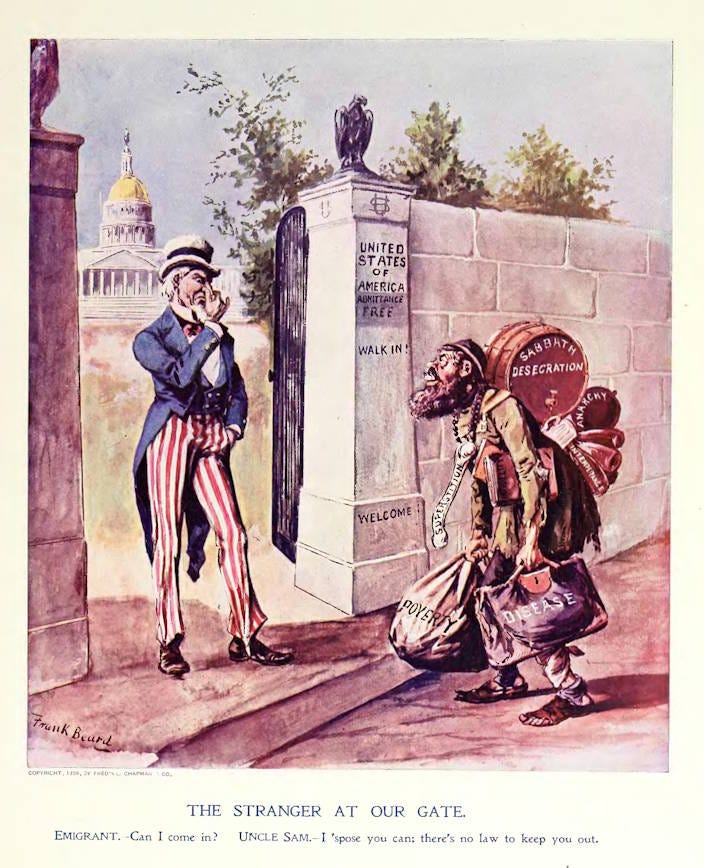
A century ago Italian immigrants supplied the backbone of American anarchism; their later conservatism was the price of being accepted as white.

A lab technician in Siberia died of unidentified pneumonia, and with Russian authorities quarantining 200 people while releasing almost nothing, speculation about plague and even bioweapons filled the gap.

A right-wing podcast has framed Indian Americans as a 'question' to be solved; the author argues that such attacks strengthen ethnic identity and make assimilation harder, not easier.
The author argues that a number going up in a training log is not proof of progress — range of motion, control and whether the movement changed are what make the comparison valid.

Yan Lianke's two matchmaking attempts both failed, until word came that his father was dying and he boarded a train the same day to propose.

Fifteen years after The Lean Startup, Eric Ries returns with a book admitting he told a generation of founders to change the world and forgot to add 'for the better'.
The United States is stuck in nostalgia and four-year election cycles while China lays rails, pipes and ports on a decades-long clock — and whoever gets others to live in their version of the future wins.


