Research from the Bank for International Settlements finds that the more a government owes, the harder a rate rise hits growth and the less it does to prices, forcing central banks to move more aggressively for the same result.
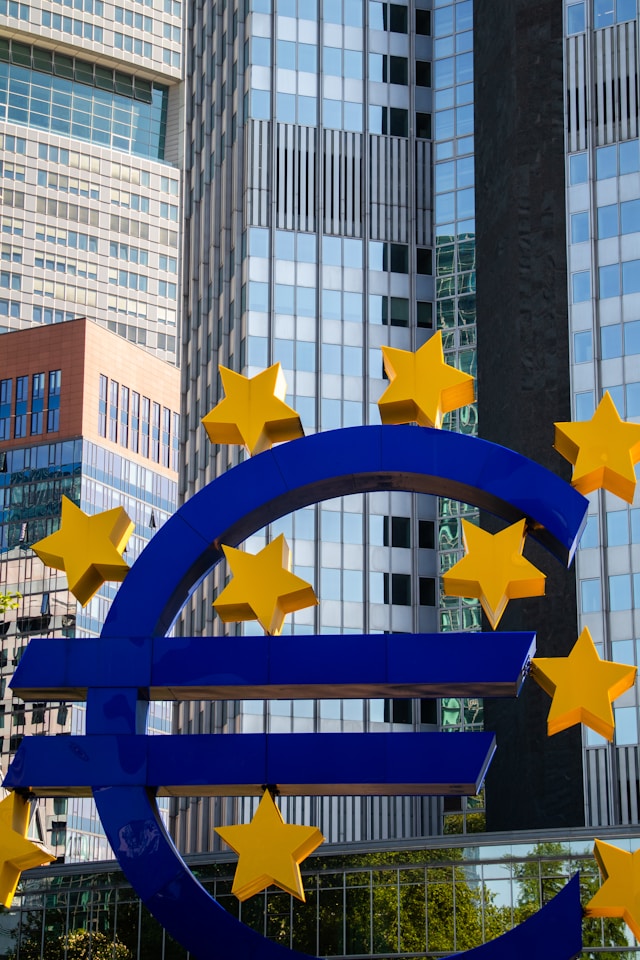
To fight inflation, the ECB raised interest rates. Borrowing got more expensive for businesses and households, but the biggest borrower of all is the government, and its bill went up too.
In a country with a high debt-to-GDP ratio, higher interest rates mean the government either widens the deficit or cuts spending elsewhere.
Two ways to pay, and investors fear both
Let the deficit grow, and people expect higher future inflation to erode the debt. Cut spending instead, and they expect slower growth ahead. Neither path calms anyone.
The BIS study compares two stylised countries, one at 60% debt-to-GDP and one at 120%, facing the same monetary policy shock.
For the low-debt country, a single rate hike shrinks the economy by about 1.75% after a year. The high-debt country loses 2.25% within three quarters, because maturing debt has to be replaced at higher rates, eating into the budget.
Indebted countries are less afraid of prices
The price effect flips. Inflation falls more in the low-debt country than in the high-debt one. A heavily indebted government has more incentive to let inflation run, households and firms raise their expectations, and actual prices get stickier.
Put the two findings together: in a high-debt country, the central bank has to hike and cut much harder to get the same economic effect.
Britain is the other bad case. It is heavily indebted and issues unusually long-dated bonds. When rates rise, the government locks in those higher costs for years, hurting its finances more than France, which mainly issues intermediate maturities, even though the two carry similar debt levels.
Most developed countries are now in the high-debt camp, which means monetary policy as an old tool has gone blunt and rate volatility may rise. The plainest way to put it: the money a government owes gets paid, in the end, out of ordinary people's mortgages and jobs.
Why it matters
Interest rates are no longer a dial the central bank turns as it pleases. Once the government is the biggest debtor, a rate hike presses the growth brake and the inflation brake at once — people think the central bank runs the economy, when it is really bargaining with the finance ministry's ledger.



Curated from high-quality sources, with concise summaries and key takeaways.

