Since 2003 the EU has charged emitters for their greenhouse gases; instead of shifting purchases to cheaper unregulated suppliers, EU countries ended up importing more from each other, while exports barely moved.
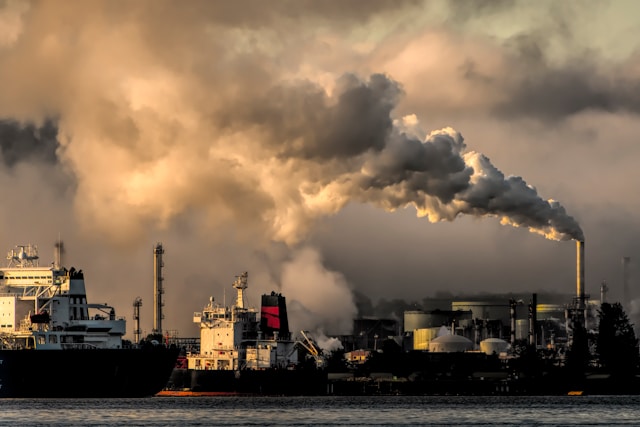
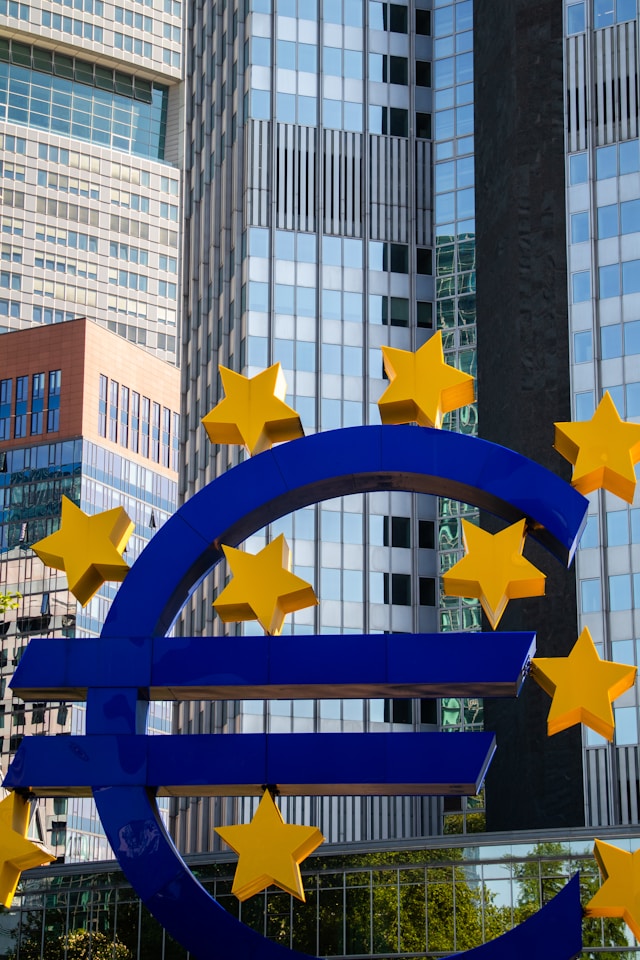
The EU has been running an experiment for over twenty years: putting an explicit price on emitting carbon dioxide. Emit, and you pay. That is the Emissions Trading Scheme, launched in 2003.
Common sense says European factories now carry a carbon bill, so buying from China or India, where nobody charges for emissions, should look cheaper. Imports ought to rise.
The expensive part is paperwork, not freight
Researchers compared industries covered by the scheme with those that were not. Imports within the EU rose much more in the covered sectors, and the gap was too large to be explained by European integration in general.
Likely reason: when buyer and seller answer to the same environmental rules, a pile of compliance and paperwork disappears. That saved hassle turned out to be worth more than cheap labour.
Exporters were not penalised
On the other side, European exporters did not suffer. Export figures barely responded to the scheme at all.
Something for the UK government to keep in mind as it weighs closer regulatory alignment with the EU.
In one line: environmental rules do not necessarily push trade away. They can push it toward whoever shares your rulebook.
Why it matters
Trade flows are shaped not only by wages and freight but by who shares your rulebook. The EU's carbon border mechanism arriving in 2026 will likely replay this logic: suppliers may find that aligning with the rules saves more in paperwork than it costs in tax.


Curated from high-quality sources, with concise summaries and key takeaways.

