In 1797 a New York governor used a public hanging to assert state power, while critics called it a display of excess. Historians ask whether watching such a death could ever deliver a real warning.
In 2026 the US Defence Department proposed broadcasting the execution of Nidal Hasan. An Army psychiatrist, he was convicted of killing 13 people at a Texas military base in 2009 and sentenced to death.
A historian of the early republic notes that behind the plan lies an old expectation: that watching someone die will teach a lesson. Americans in the founding era doubted that too.
A show of power on the gallows
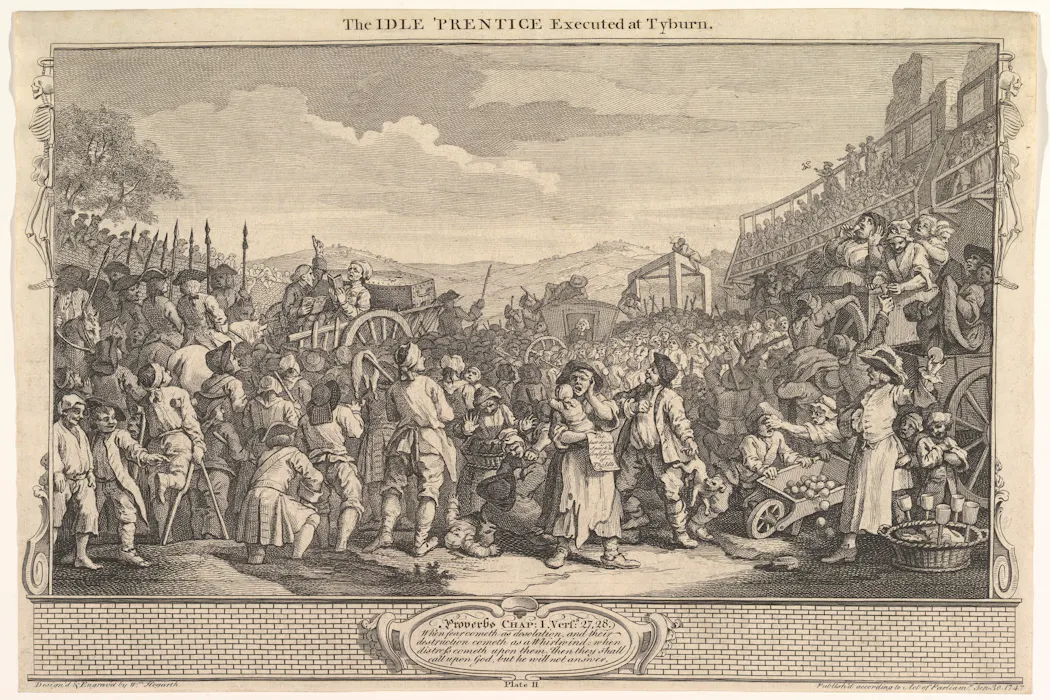
In 1797 New Yorkers gathered to watch John Young hanged. A debt-ridden English musician, he had shot the deputy sheriff who came to arrest him.
Governor John Jay feared a rescue, sent soldiers, and wanted onlookers to feel the government's power. The scene was not solemn, though. A military band played cheerfully along the way, and some worried a passerby might mistake it for a festival.
A critic who signed himself 'A Citizen' argued that calling out troops was executive excess, and that this show of force weakened authority.
What did the onlookers learn?
Benjamin Rush, a signer of the Declaration of Independence, warned that onlookers might sympathise with the condemned, or learn pickpocketing under the gallows.
The Italian thinker Cesare Beccaria argued in 1764 that punishment can only prevent future harm, and that suffering beyond that purpose is unnecessary cruelty.
Back to Hasan: a broadcast would widen the audience, but reach is not usefulness. The author asks what future harm this public display would prevent. If none, what does it prove?
In the end, a public execution mainly shows the state's power. What it teaches the crowd, the founders never settled.
Why it matters
Whether an execution is public was long treated as a question of penal method. It is really a question of what the state must show the public to justify itself, and every broadcast owes an answer to what harm it prevents.

Curated from high-quality sources, with concise summaries and key takeaways.

