Daily Picks

Tech

Tech

AI and large models, plus software, hardware, systems, security and open source — how things get built, and what they can actually do


Ars Technica · Features
The best laptop screen I've used, with nothing to criticiseApple's new MacBook Pro moves to a tandem OLED display with 2,000 nits peak and 1,000 nits sustained brightness, but the top configuration costs $7,399 and the M5 chip may soon lag on AI inference.
阮一峰的网络日志
The best era was 2003, and some want tech to stop thereAn essay argues civilisation should have frozen around 2003: technology was useful but not dominant, people were not permanently online, and physical life was still the default.
Dwarkesh Podcast
To win this game, AIs first have to learn to lieThe author spent about $20,000 in API credits having AI models play Blood on the Clocktower against each other, and the top model changed within a year as models got much better at lying and spotting lies.
Platformer
Social media regulation failed. Don't let AI repeat it.After the US midterms, Democrats have both chambers of Congress and a clear mandate against data centers and AI accelerationism, but the last round of social media regulation shows that without a coherent goal, a plan B, or a unified coalition, Congress will accomplish nothing.
Krebs on Security
The White House's network is being sublet by proxy servicesSecurity researchers found devices on the Executive Office of the President's network running residential proxy software, reselling White House IP addresses that 28 different proxy services could exit through.
404 Media
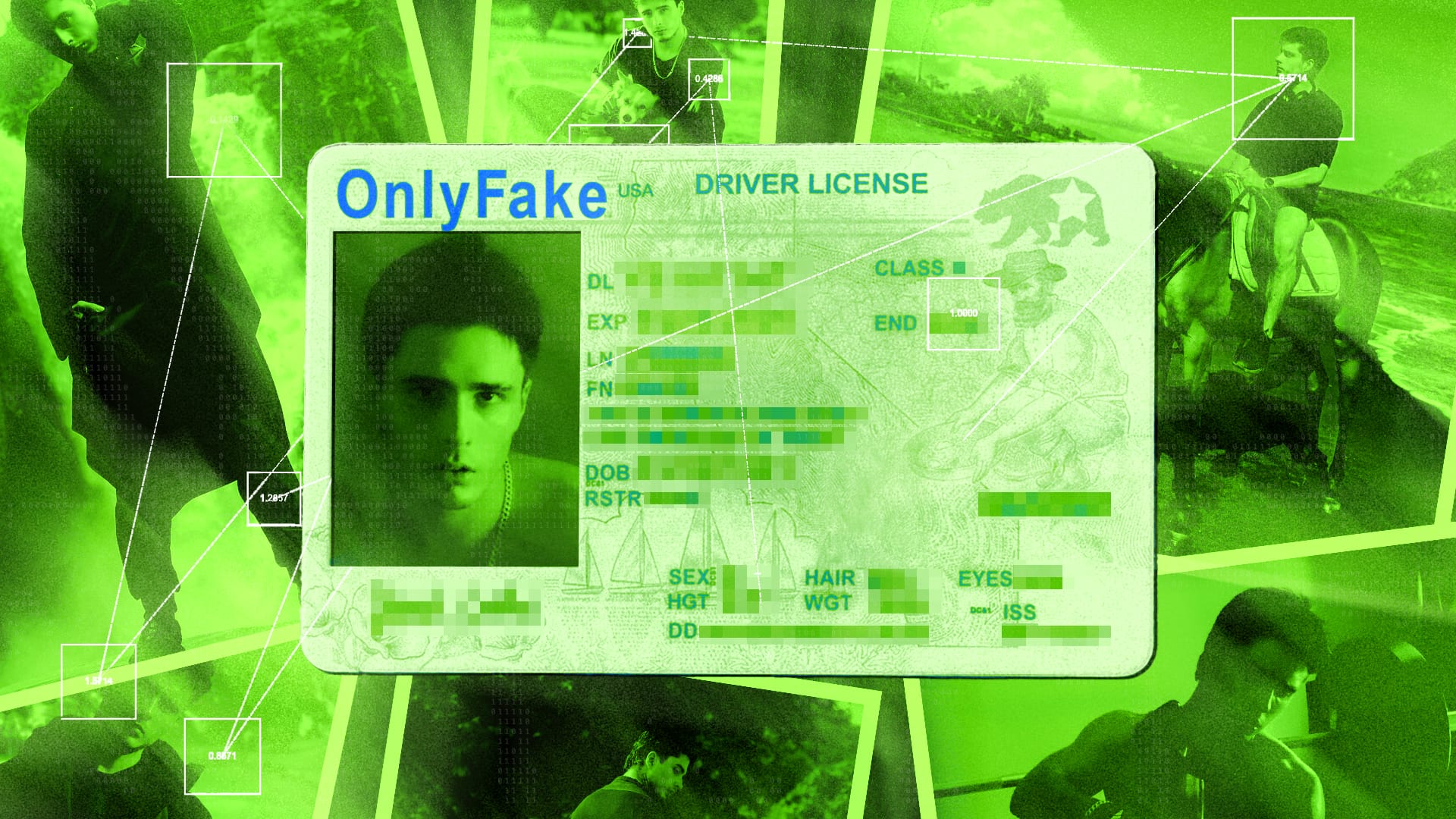
He built an AI fake-ID site, $15 a documentA Ukrainian man, Yuriy Nazarenko, built OnlyFake, a site that generates convincing AI images of passports and driver's licenses. The DOJ says it sold at least 10,000 fake IDs and made about $1.2 million, and he is now telling the whole story at 28.
Pluralistic
Repeal CDA 230 and the internet belongs to FacebookThe author recalls a small arts community he helped found: after one member was sanctioned for racist language and sued its volunteer board for libel, merely defending the suit burned a sizeable fraction of the organisation's total assets.
Quanta Magazine
Shove a thought into an AI and it says it noticedAnthropic researchers injected thoughts directly into a language model's neural network, and in 20% of trials the model correctly reported the injected concept; controls never raised a false alarm.
Pluralistic
My receipt scanner swapped its delete key for an AI adCory Doctorow's receipt-scanning app removed the small x used to retitle scans and replaced it with an ad for a $40-a-year AI subscription, adding 16 backspaces to every receipt.
Noema Magazine
Japan's failure to keep up may be a good thingJapan has been told it must become more like Silicon Valley, but the author argues that its slowness and caution may have left it better placed to decide what technology is actually for.
Ars Technica · Features
Meta suspended No Kings' Instagram, saying it looked like a botMeta suspended a No Kings Instagram account for four hours at the peak of early voting, saying its use of a Claude tool looked like automated bot traffic; the group wants Meta to disclose any communications with the Trump administration.
Pluralistic
AI solves more math, and math gets poorerA science communicator warns that chatbots can hand over answers to long-standing math problems without the theoretical scaffolding, leaving mathematicians as little more than the machine's homework markers.
404 Media
A 17-year-old scraped all of AO3, then apologisedAI scrapers grabbed fanfiction from AO3, repackaged it into paid audiobooks, and got over 2,000 takedown requests on the site's first day.
Krebs on Security
Your TV box was renting out your internetGoogle and industry partners dismantled a botnet of more than 1.3 million Android TV boxes that shipped with malware secretly renting users' internet connections to strangers.
Klement on Investing
Flipping one neuron flips the AI's stock picksResearchers in South Korea and the US found that in open-weight models such as Qwen3 and Llama 4, adjusting the activation of a single neuron changes the model's recommendations for individual stocks and entire portfolios, with no change to the prompt or the parameters.

Other topics