Stablecoins give up scarcity for a dollar peg, and Tether turns the Treasury interest on its reserves into profit of about $10 billion in 2025 with roughly 200 staff.
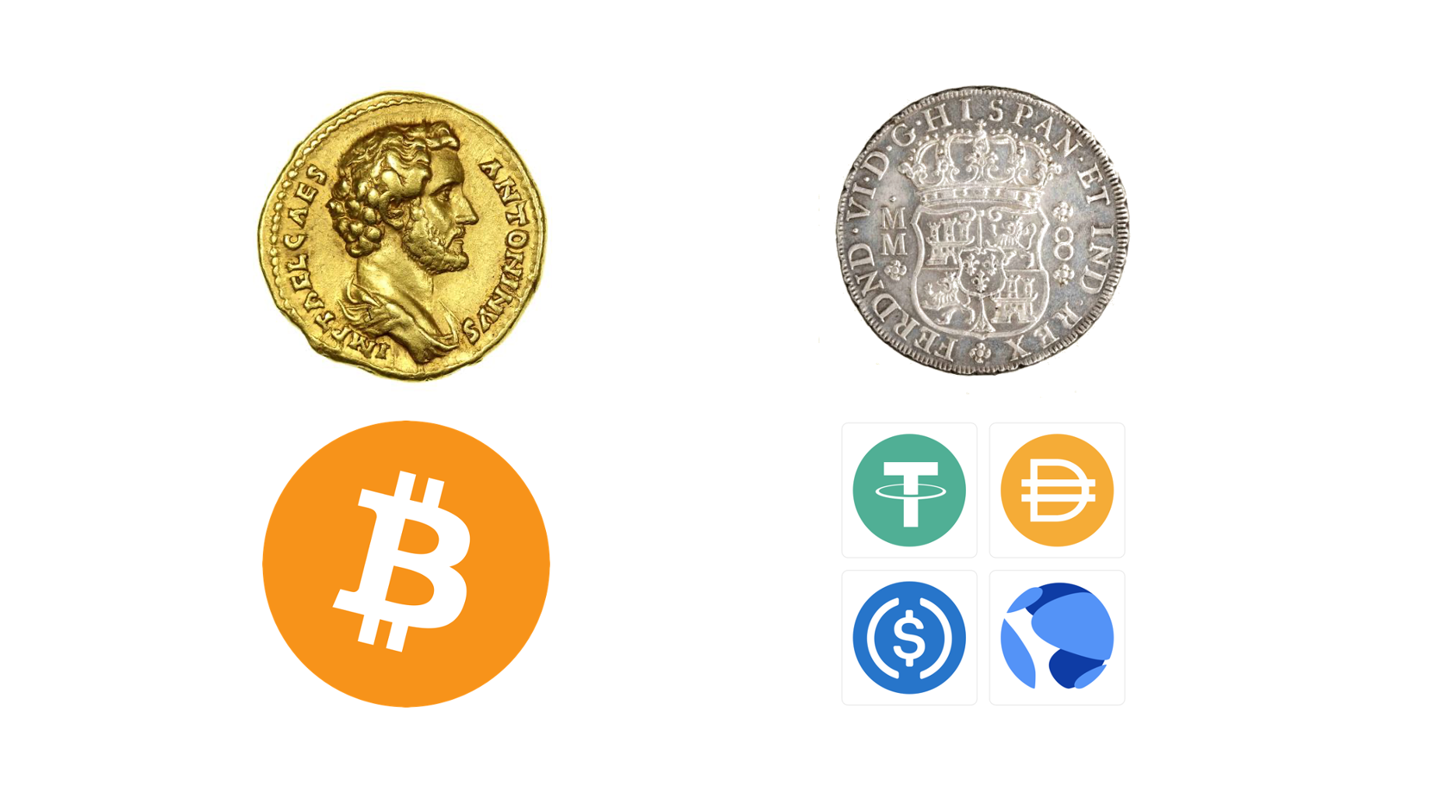
Pay $1 on a crypto exchange and you get one USDT back. The issuer takes your dollar, gives you a digital dollar, and redeems it whenever you ask. That is the plainest form of a stablecoin.
The original piece reaches for gold and silver. Bitcoin has a hard cap of 21 million coins, so it is scarce like gold, and when people hoard it the price jumps around. Stablecoins flip that: they drop scarcity and aim only at stability.
Gold was so scarce that whenever its value rose, people hoarded it, and the economy got choked. Silver became plentiful once new mines flooded in, its price held steady, and that is why it ended up as the money people actually paid with.
Stability rests on reserves
For every USDT it issues, Tether mostly takes the dollars it receives and buys US Treasuries. Roughly three quarters of its reserves sit in Treasuries or similar assets, and the interest is where the profit comes from.
With rates near 4%, its assets of over $200 billion earned about $10 billion in 2025. With only around 200 employees, profit per head is said to be roughly ten times NVIDIA's.
Dollars move on-chain, and the spillover follows
If the whole world used dollar stablecoins, the US could print Treasuries with less inflation pressure, since the inflation would be spread across far more dollars, and it could borrow more from global buyers.
The cost is that other countries' interest-rate tools would dull, local monetary policy would have less bite, and the influence of the SWIFT system would be diluted.
In the end, Bitcoin wants to be gold and stablecoins chose silver, and the face stamped on that silver is the dollar.
Why it matters
Money that holds its value is good for paying bills, so crypto is splitting in two: one lane hoards as a store of value, the other becomes payment plumbing. If stablecoins grow big, the dollar effectively goes on-chain, and that shifts who controls cross-border payments and how far national interest rates still reach.

Curated from high-quality sources, with concise summaries and key takeaways.

