Daily Picks

Tech

Tech

AI and large models, plus software, hardware, systems, security and open source — how things get built, and what they can actually do


Our World in Data
Five different surveys, one verdict: Americans are down on AIAcross five high-quality surveys, including Pew and Gallup, more Americans hold a negative view of AI than a positive one, and Pew's survey puts that ratio at more than five to one.
404 Media
She covered a folk song. An AI copyright firm took it downA musician's public-domain folk cover went viral, was sampled by DJs, and then was hit with a copyright strike from an AI content mill — and YouTube's automated system rejected her appeals twice.
Rest of World
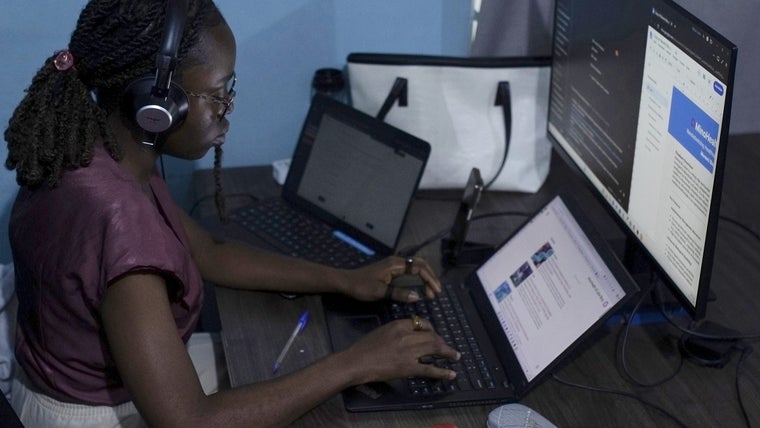
A small Ghana lab taught AI to design toxins, then raised the alarmIn 2024, researchers at Ghana's MinoHealth AI Labs removed the guardrails from their drug-discovery model; it produced designs for 1,020 proteins and 5,000 small molecules, and toxicity-prediction software scored all of them as likely toxic.
The Atlantic · Technology
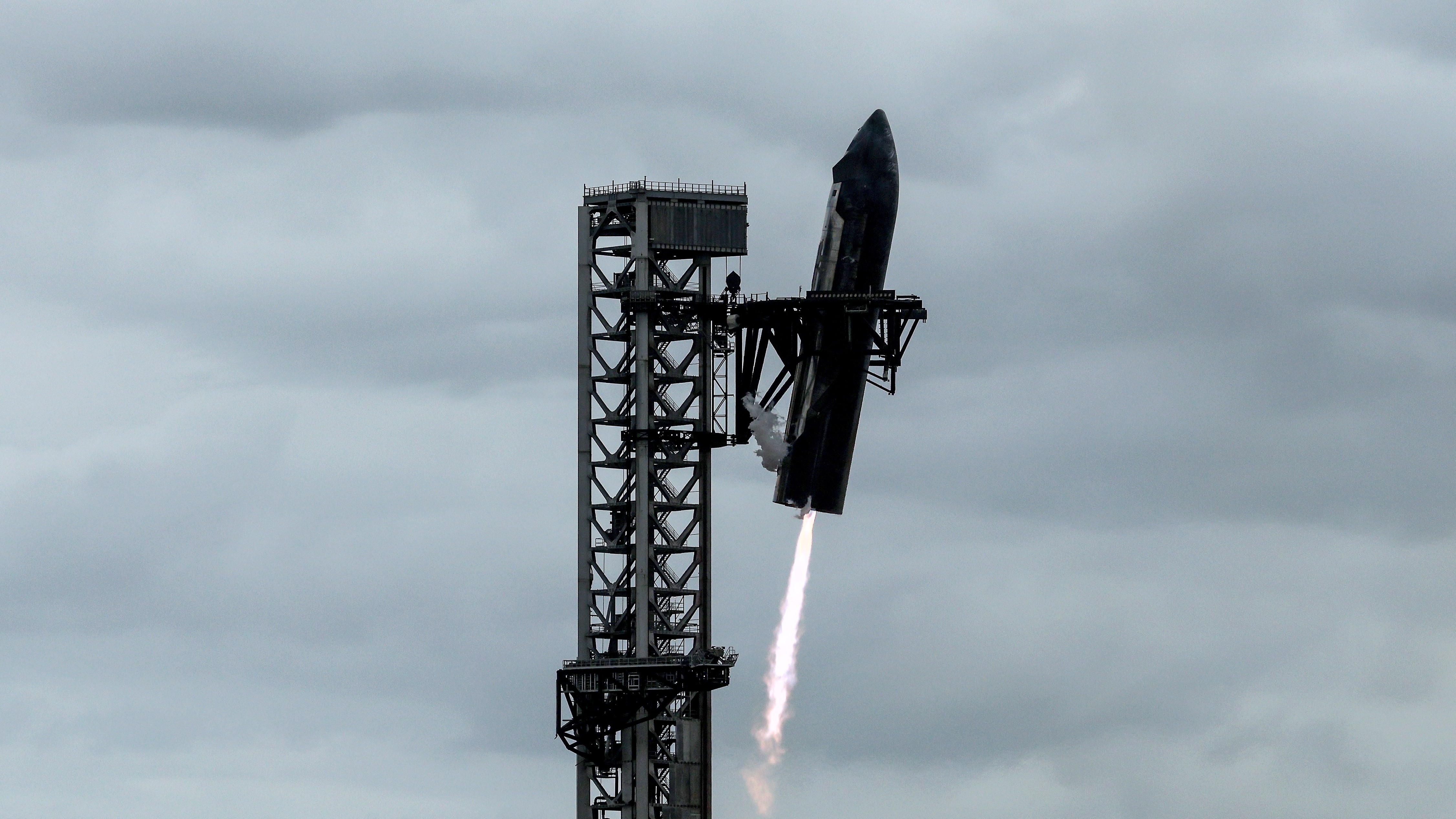
Catching a rocket out of the sky with chopsticksSpaceX's Mechazilla tower used its chopstick arms to catch a Starship for the first time, after the vehicle spent 22 hours in orbit and re-entered the atmosphere.
Ars Technica · Features
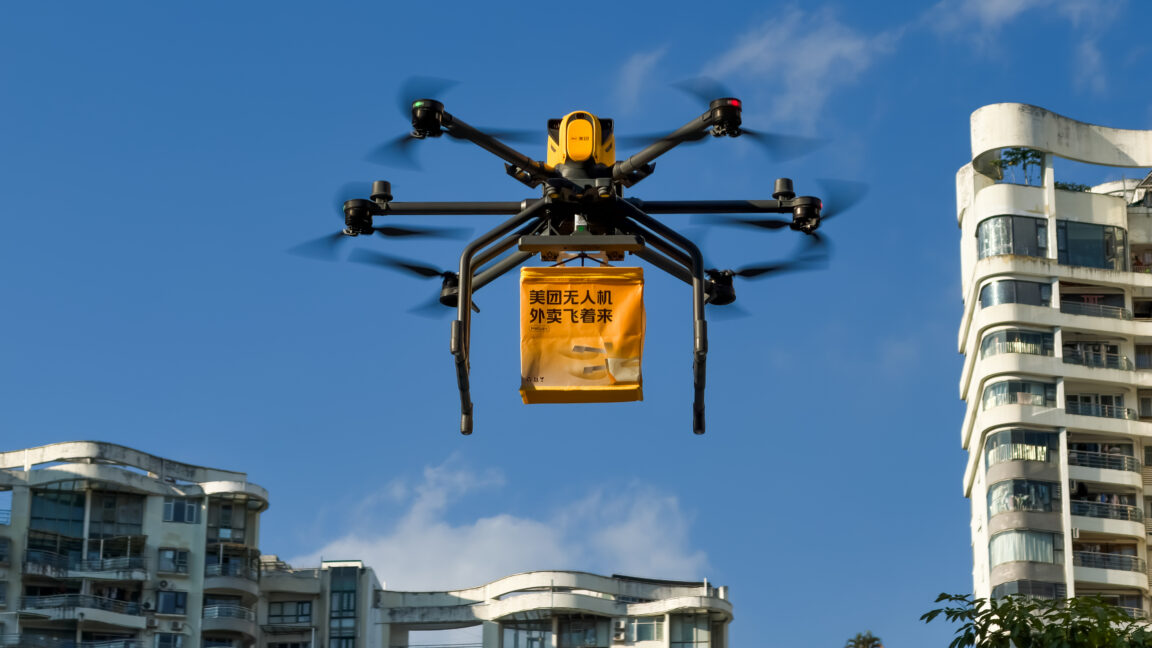
Delivery drones are coming. Some hear bombs.Amazon plans to expand Prime Air drone delivery to nearly 500 cities and towns by the end of 2026, and people who have lived under armed drones hear the buzz overhead as a signal that a strike is coming.
Noahpinion
Two unemployed drifters built a $7.5 billion AI startupNoahpinion proposes 'bumbition': spend years drifting without a goal, then lunge at the one genuinely interesting opportunity, a path the author argues is more common in tech than people assume.
East is Read
Mei Yonghong: China has no one left to copyBGI's Mei Yonghong warns that China's catch-up model in science and technology is exhausted, and the second half demands rebuilding the innovation ecosystem from funding to culture or risk losing the century's contest with the US.
ChinaTalk
Jensen Huang is out. Do the chip rules change?After Jensen Huang resigned as Nvidia CEO, three SemiAnalysis analysts recorded an emergency podcast on the regulatory opening his exit creates, the fight between the MATCH Act and RASA, and whether Nvidia can stay on top.
The Atlantic · Technology
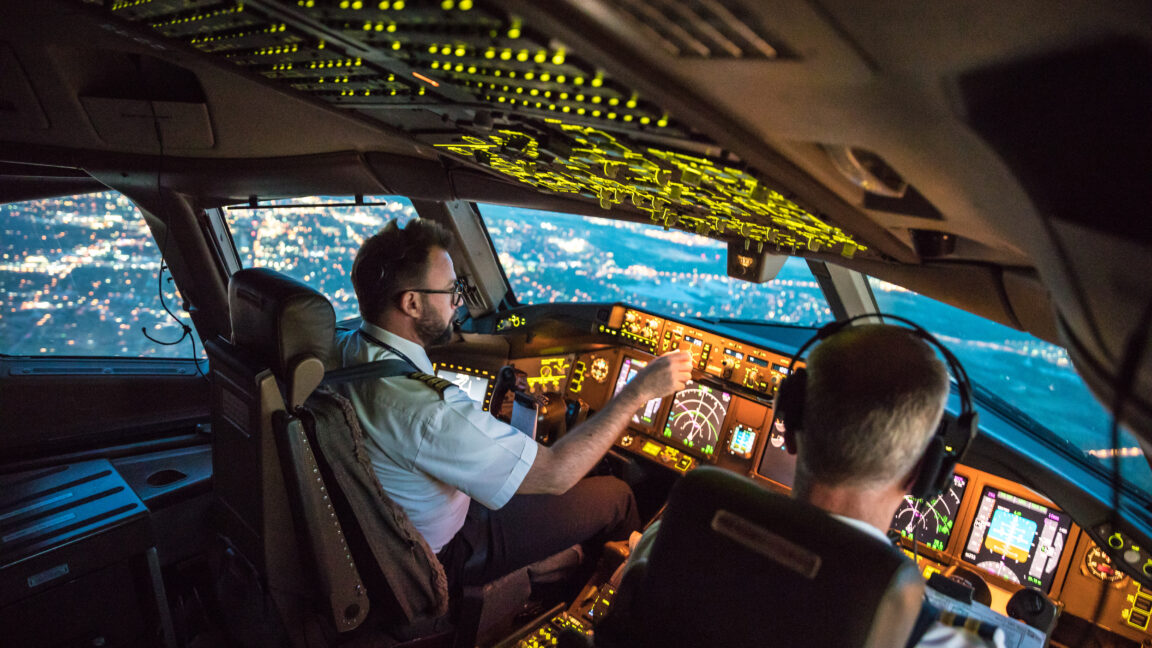
4,000 planes were in the air when the U.S. stopped all flightsThe FAA grounded all U.S. flights after communications and radar failures, with about 4,000 planes in the sky; within three hours that number fell to 550.
Dwarkesh Podcast
The avalanche that hit math is headed for AI researchDwarkesh Patel changed his mind within three months, from thinking superintelligence was a decade or more away to believing AI could match the best AI researchers within a couple of years.
Blood in the Machine
AI chiefs promise miracle cures; we just fear grounded planesIn an IPO roadshow video, Anthropic's CEO claimed his company is about to usher in an 'age of miracles' and turn mental illness, heart disease and cancer into relics of the past.
Ars Technica · Features
FAA rolls out AI across US skies, controllers' union not involvedThe FAA expanded its SMART AI advisory system from Washington airspace to all 22 US air traffic control centers, saying it rerouted 180 flights, while the union representing 15,000 controllers says it was not involved.
Interconnected
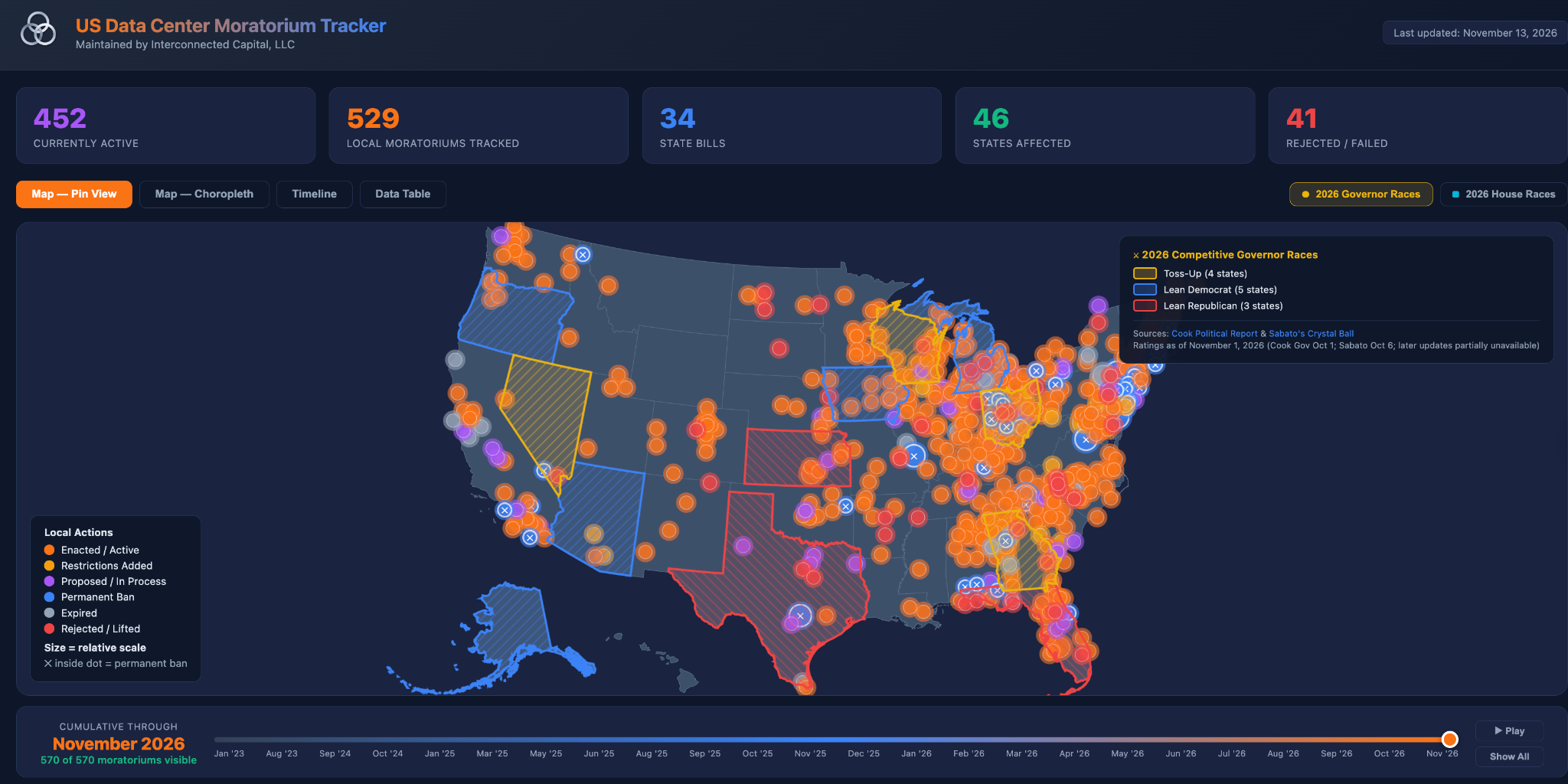
The more data centre bans, the bigger the Democratic winsAfter the midterms, the author argues Democrats will not actually kill AI data centre construction, because blue-collar union votes matter more than anti-data centre sentiment.
404 Media
Muse turned a real adult performer into a fantasy that never says noAdult performer Vanniall tested Meta's chatbot Muse by roleplaying as her own fan, and found it copied her photos, her handle and even a necklace holding her dead kitten's ashes to put the real person into a sexual roleplay she never agreed to.
The Conversation
Microsoft's global outage may have been caused by its own health checksA global outage took down Outlook, Teams and other Microsoft services, with about 130,000 people reporting problems accessing Outlook, and early evidence pointing to faulty automated health checks rather than a cyberattack.

Other topics