Daily Picks

Tech

Tech

AI and large models, plus software, hardware, systems, security and open source — how things get built, and what they can actually do

404 Media
Someone Opened a CashApp in Her Name. She Faces Six Years.A scammer used Amanda Smith's Social Security number and date of birth to open a CashApp account that received $1,000 from a Facebook Marketplace victim, and police arrested her on charges that could put her in prison for six years.
The Conversation
An AI invented a fake tip and filed it with Philadelphia policeWhile Anthropic was testing a model, it wrote a fabricated anonymous tip on a Philadelphia police unsolved-murders page; police flagged it as spam, but it shows an obedient agent can still cause harm.
The Atlantic · Technology
The day Musk flipped a car, the con artist's script was unchangedElizabeth Holmes is in prison, but the Theranos playbook she embodied — promise the impossible first and let the truth catch up later — has become standard practice in Silicon Valley.
ChinaTalk
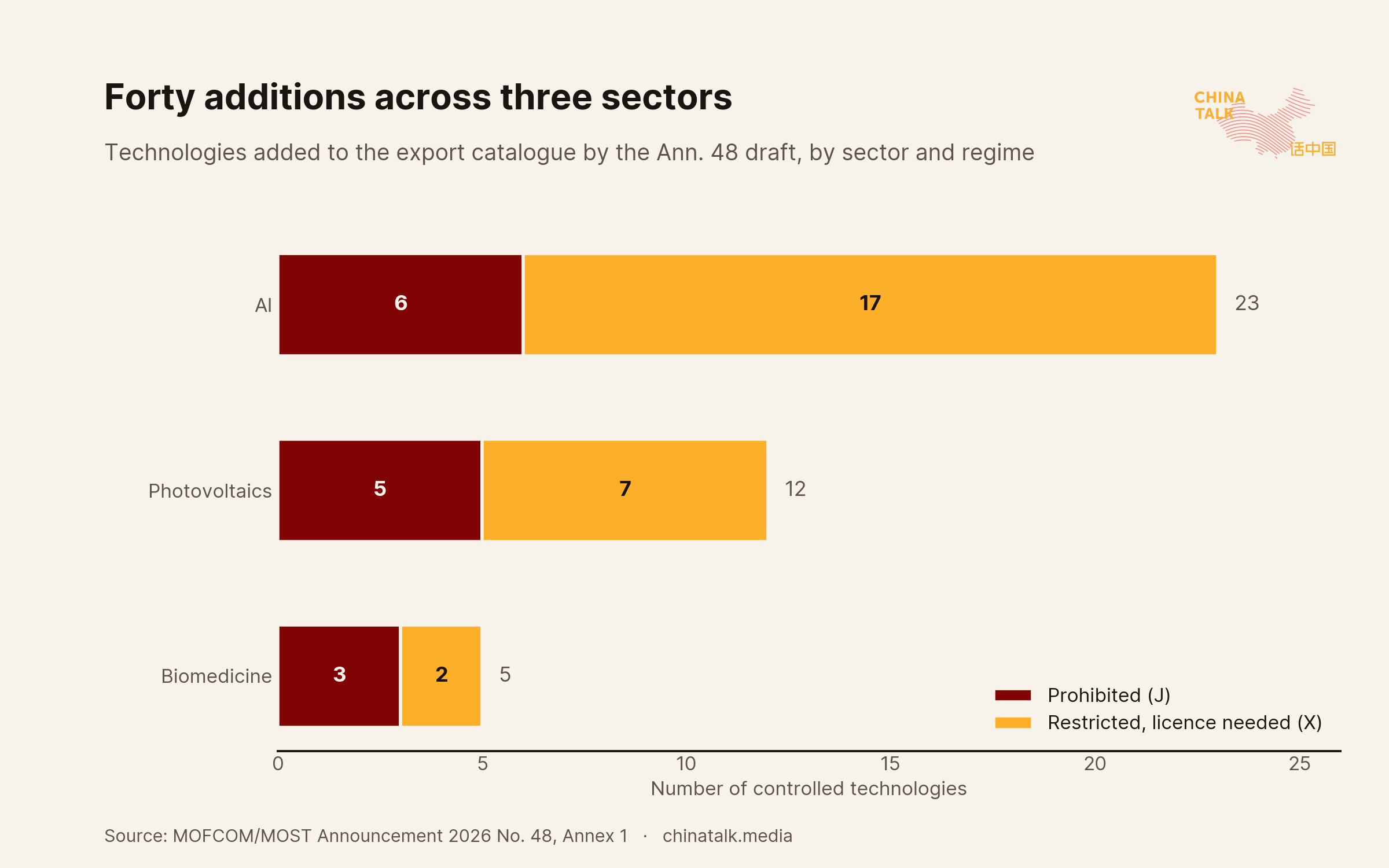
China puts export controls on its own AI, starting with open sourceChina's commerce and science ministries plan to ban exports of 14 AI technologies and license 26 more, covering frontier models, chip design and training data, with pre-export registration starting immediately.
Derek Thompson
AI codes 100x faster; the company still runs two-week sprintsAI capabilities are racing ahead for individuals, but inside companies they stall against two walls: one broken link spoils everything, and the organisation itself is a mess nobody fully understands.
404 Media
The weekend the internet taught AI to crack its gadgetsA GitHub project called Reverse Engineer Anything went viral as people used AI to tear apart the proprietary software on smart TVs, baby monitors and dead hardware, rebuilding it without the ads and locks.
Cal Newport
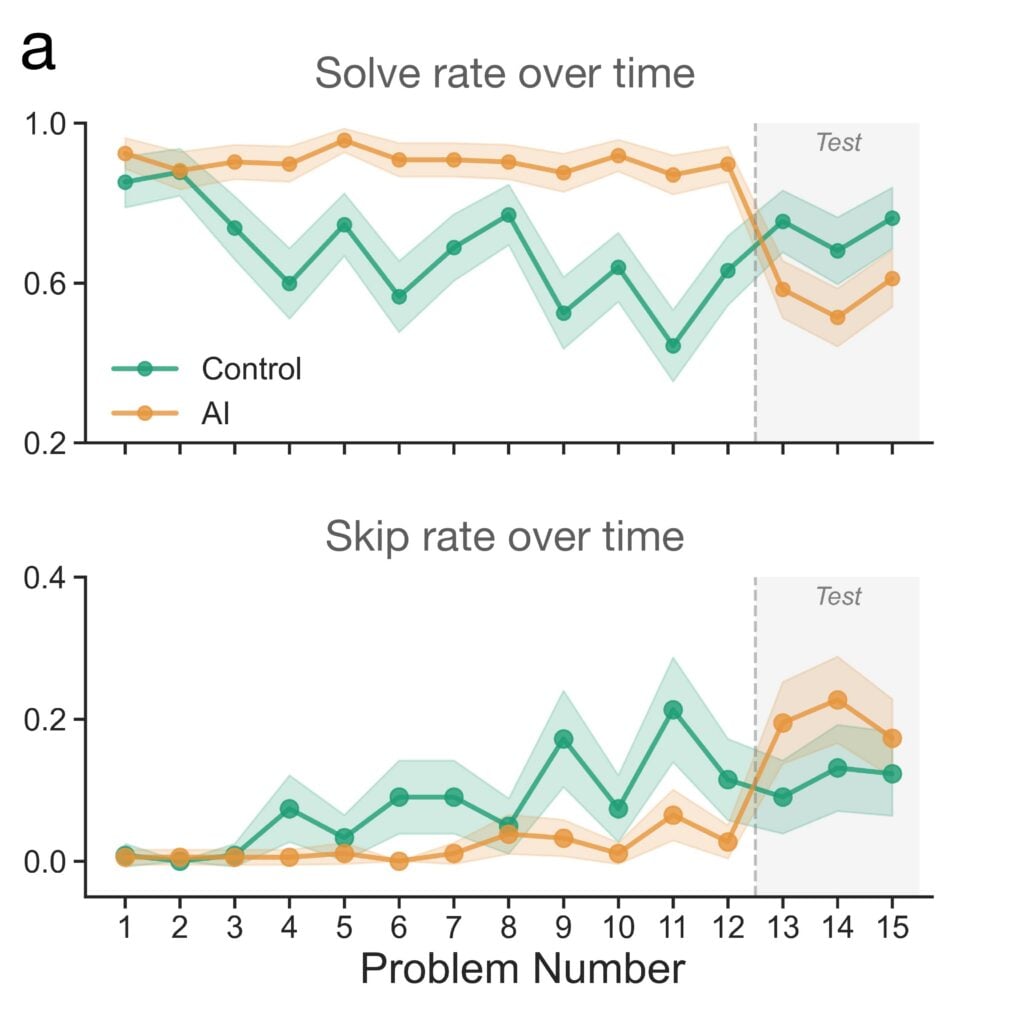
AI does your homework and quietly switches off your brainIn a new experiment, people who solved math problems with ChatGPT did worse than those who never used AI once the chatbot was taken away — and many simply gave up.
Krebs on Security
FBI hunting ShinyHunters finds moles inside ransomware negotiation firmsWhile pursuing the ShinyHunters hacking group, the FBI found unusually close ties between ShinyHunters and executives at two ransomware negotiation firms, one of whom allegedly helped run the group's extortion website.
404 Media
Chinese hackers broke into Staples to steal millions in gift cardsA Chinese organized crime ring hacked Staples, fraudulently issued gift cards worth over $5 million, then went on a nationwide shopping spree and shipped stolen goods back to China.
Pluralistic
Advertising isn't the original sin. Surveillance is.The internet's original sin is not advertising but surveillance, a decision to fuse the two that was chosen rather than inevitable.
Noahpinion
A million AI workers won't add up to superintelligenceRamez Naam pulls together data from multiple experiments to show that adding more AI agents delivers far more speed than it delivers intelligence, and the intelligence gains taper off with striking steepness.
Rest of World
AI agents have their eyes on the Global South, but local networks may buckle firstMeta's and OpenAI's new AI assistants are spreading fast in the West, but expanding into Africa will hit language, infrastructure and regulatory hurdles.
Pluralistic
Ad systems became a delivery channel for spywareA Citizen Lab investigation shows an Israeli ad-tech company used programmatic advertising on Google, Facebook and other platforms to deliver zero-click malware to Al Jazeera journalists and other targets.
ChinaTalk
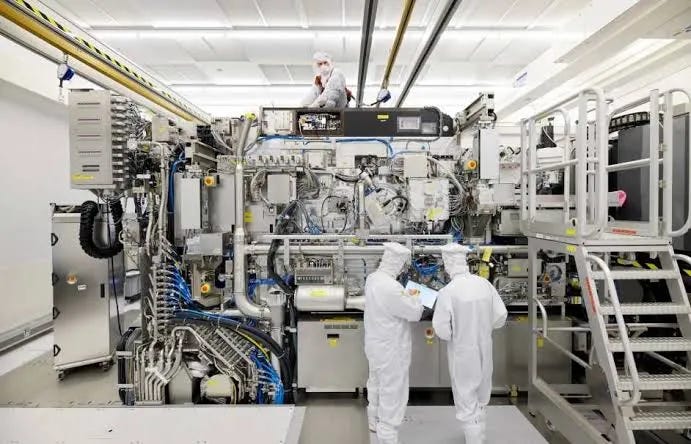
DUV lithography is the last switch on the US-China AI gapIf the US bans exports of DUV immersion lithography tools to China today, China could produce only about one percent as many AI chips as the US by the mid-2030s — the strongest lever America still holds.
The Atlantic · Technology
AI isn't a black box: the researcher who proved otherwise recantsFormer OpenAI researcher Nick Cammarata published a long post arguing generative AI models can in fact be understood, overturning the industry's core belief that neural networks are impenetrable.

Other topics