Daily Picks

Science & Health

Science & Health

Medicine, psychology, biology, physics, space and statistics — what a study actually found, and whether it replicates

Nautilus
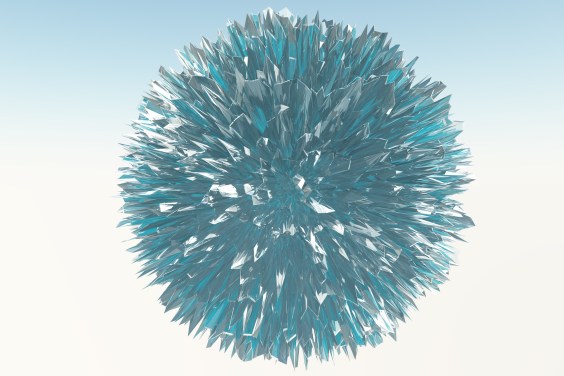
When a drug quietly vanishes, nobody touched itA drug molecule can flip into a new crystal form and make the original impossible to reproduce, costing Abbott an estimated $250 million on ritonavir alone.
404 Media
On a psychedelic hotline, cannabis produced the most bad tripsResearchers analysed 25,419 anonymised calls to a psychedelic support hotline from 2021 to 2026 and found cannabis users reported distress at the highest rate, 47.2%, above psilocybin and LSD.
Quanta Magazine
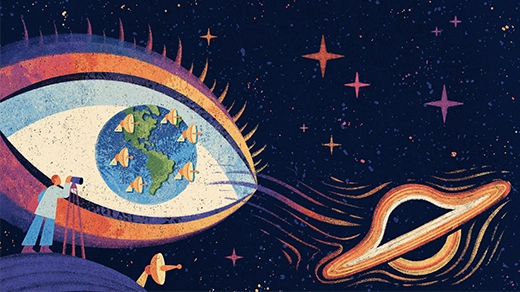
To photograph a black hole, they turned Earth into a telescopeAstrophysicist Shep Doeleman and 250 researchers linked radio telescopes worldwide into an Earth-sized virtual telescope and captured the first image of the black hole at the centre of galaxy M87. Their next goal is a movie.
Nautilus
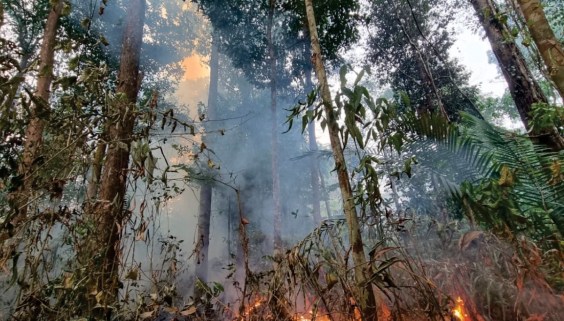
The Amazon has switched from soaking up carbon to emitting itClimate scientists spent 15 years sampling the air above the Amazon by plane and found the rainforest may have turned from a carbon sink into a net source.
Noema Magazine
AI is cracking math's great problems. Should mathematicians become monks?In recent months, unreleased frontier AI systems have fully formalised Andrew Wiles's proof of Fermat's Last Theorem, solved the Navier-Stokes problem and on October 26 felled another Clay Millennium Prize problem.
Noahpinion
The science slowdown may be temporary. AI could flip it.Science was widely seen as stuck in a productivity slump, but recent early results from Anthropic, OpenAI and Google DeepMind in drug discovery, fusion and rare disease research suggest AI is starting to speed it up.
Ars Technica · Features
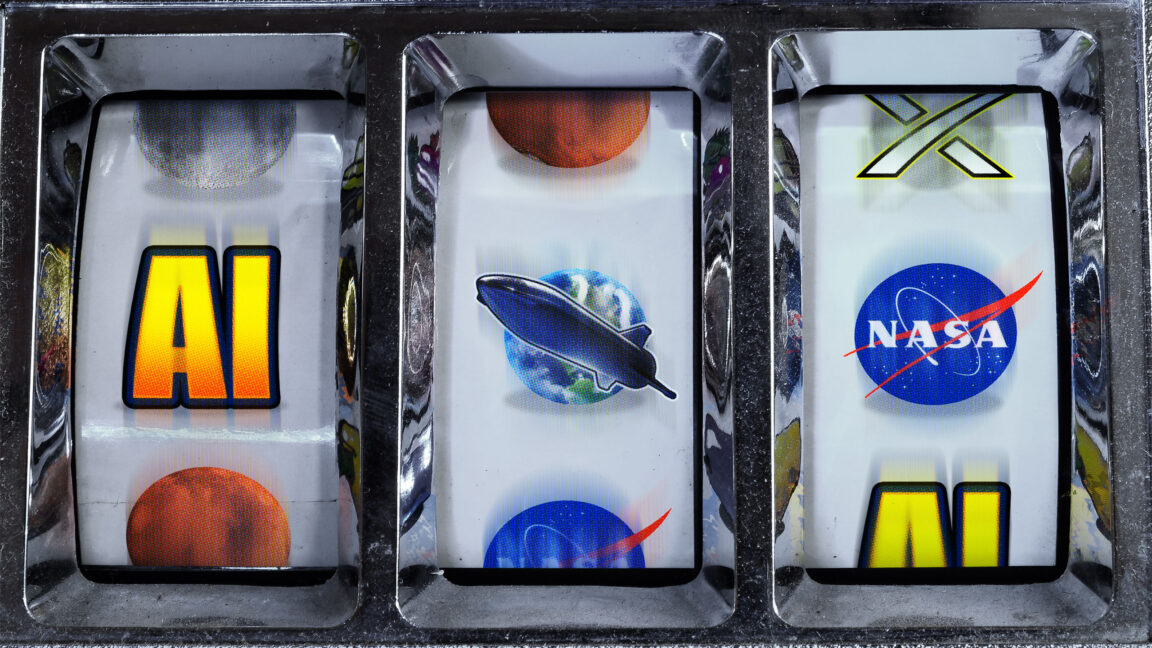
SpaceX is walking away from NASASpaceX has told NASA it will stop flying Crew Dragon by 2030 and has stopped selling Falcon 9 launches to lunar customers, redirecting resources toward AI data centres.
Nautilus
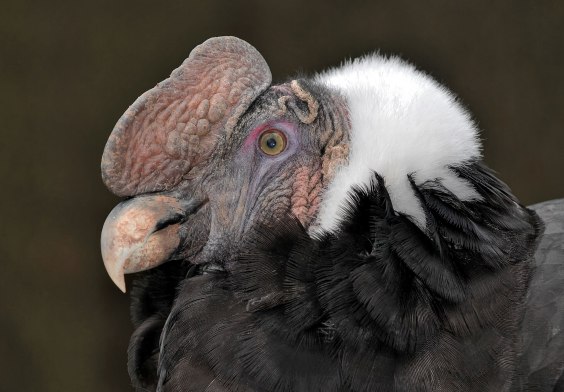
The birds that eat disease are being eaten by bird fluVultures neutralize rabies, anthrax and botulism by eating carrion, but H5N1 avian flu is now coming back at them through those same carcasses, and 16 of 23 vulture species are already listed as threatened.
Quanta Magazine
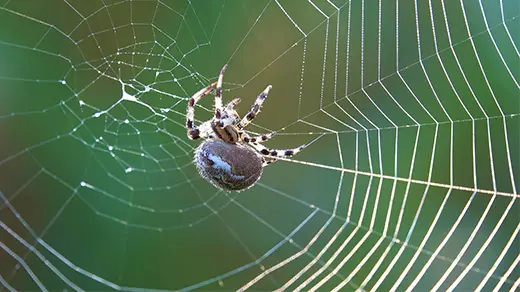
A spider turns a soup of proteins into silk stronger than steelA chemistry team at San Diego State University used NMR to track the silk glands of black widow spiders, finding that liquid silk proteins first gather into semiliquid condensates before solidifying into fibre.
Nautilus
What the happiness researchers said when they sat down togetherThirteen psychologists who study happiness pooled 600 years of experience for a look back, and concluded that relationships matter most and money only up to a point.
Psyche
One pork bun, two entirely different worlds in two nosesA Japanese neurologist argues that the Shinkansen pork-bun fight comes down to genes: passengers in the same carriage are not actually smelling the same thing.
Nautilus
In a narcissist's brain, empathy runs off-syncA Finnish team scanned 58 people with high and low narcissistic traits while they watched an actor being humiliated, and found the high-trait brains did not sync with one another.
The Atlantic · Family
Sugar doesn't make kids wild. Parents' expectations do.Pediatric research has repeatedly found that sugar does not cause hyperactivity, yet one experiment showed that mothers told their children had eaten a lot of sugar rated those children as significantly more hyperactive, even though every child had actually received a placebo.
Nautilus
That dark pit on the Moon could be a habitable caveNASA has approved a mission to probe the Marius Hills Pit with seismometers, ground-penetrating radar and a gravimeter, to find out whether it opens into a vast lava-tube cave that could serve as a ready-made, radiation-shielded lunar base.
404 Media
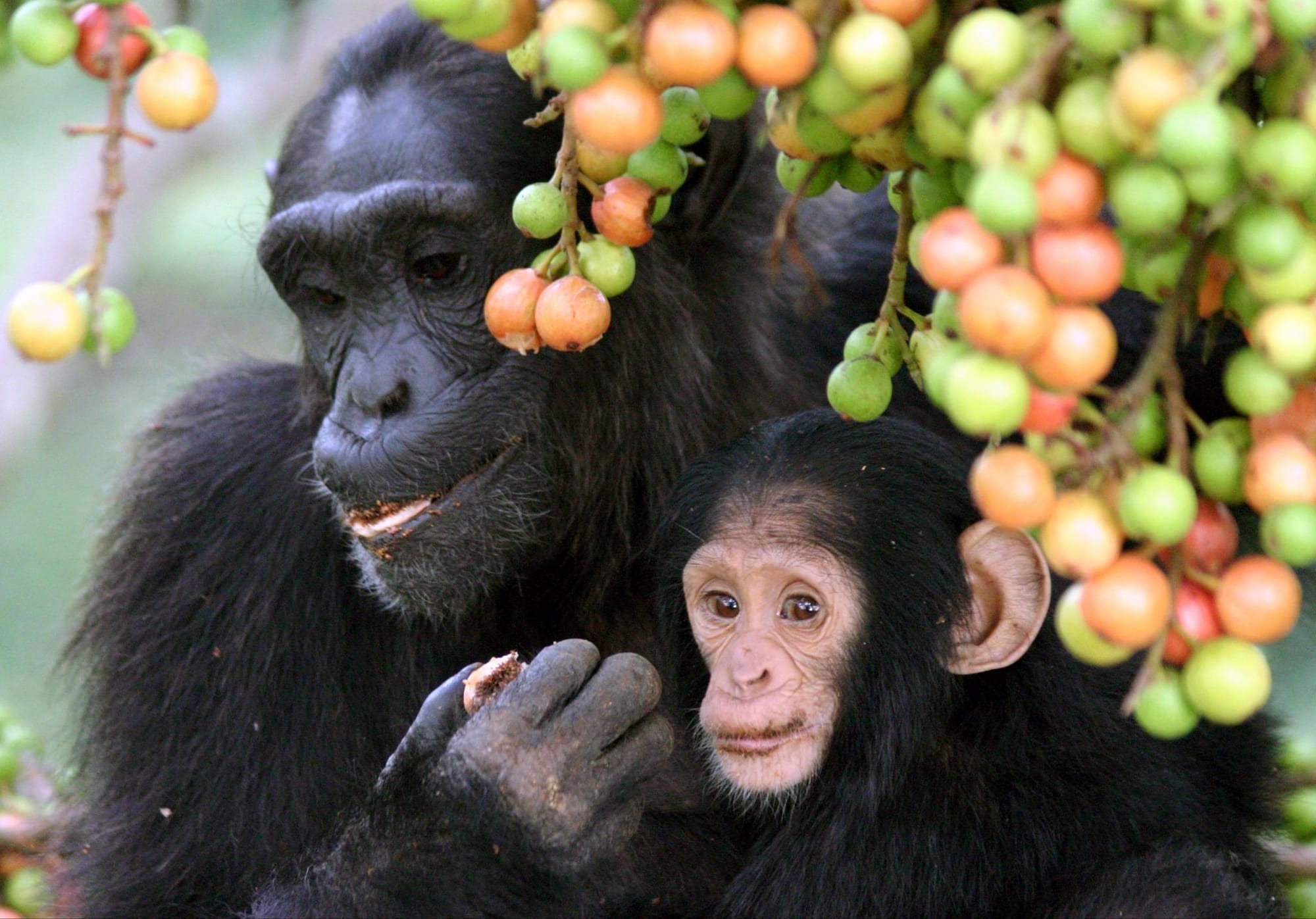
A virus that missed us may have shaped the human brainUsing human and chimpanzee brain organoids, a new study finds that an ancient retrovirus which infected apes but not humans silenced a neural development gene in chimps, and the human lineage escaped it.

Other topics