Daily Picks

Science & Health

Science & Health

Medicine, psychology, biology, physics, space and statistics — what a study actually found, and whether it replicates

Quanta Magazine
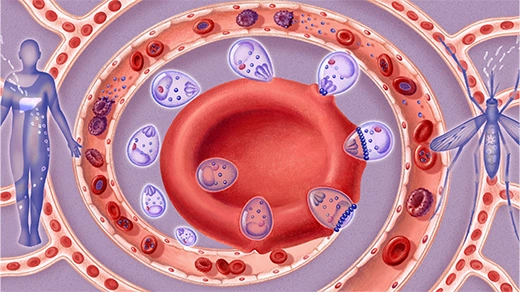
The malaria parasite's door is open for one minuteA Columbia team used cryo-electron microscopy to capture the temporary portal a malaria parasite opens in a red blood cell's membrane, showing how it punches in and seals up without a trace.
Nautilus
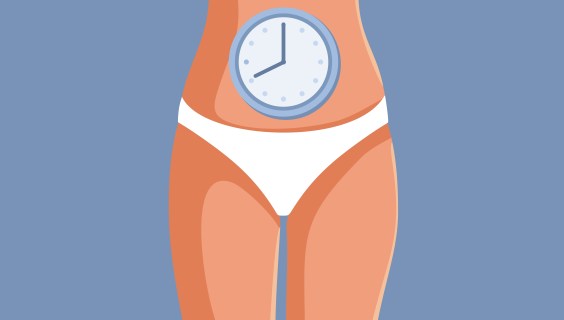
Pregnancy speeds up the biological clock. Postpartum, it slows back downTwo Harvard Medical School geneticists reviewed studies that measured women's biological age using wearables, blood tests and epigenetic clocks, and found pregnancy accelerates the clock while postpartum slows it again.
Works in Progress
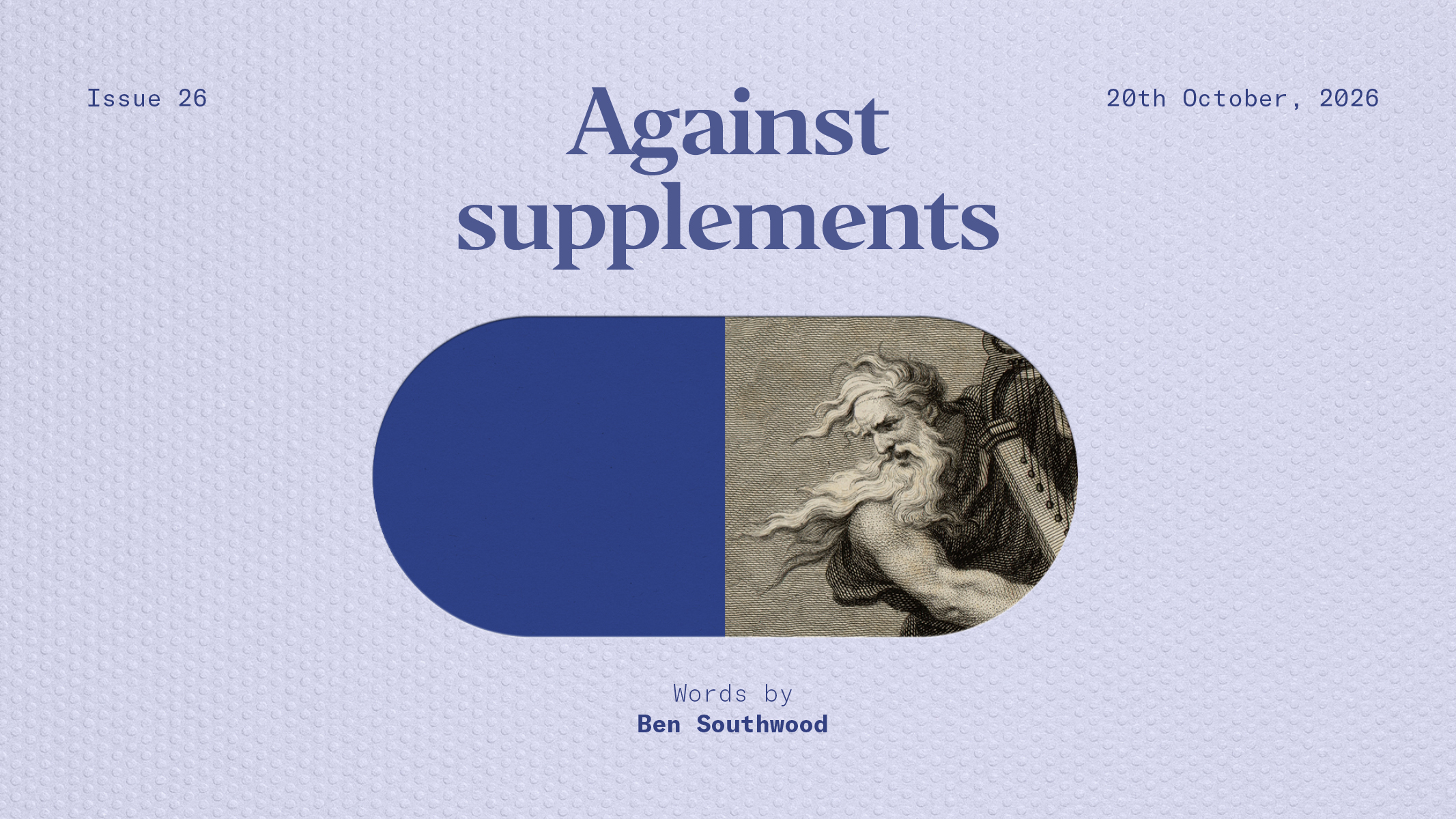
I took supplements for years, then decided most nutrition science is worthlessA writer who once recommended a long list of supplements stopped taking all of them after concluding that he had mostly hunted for evidence that confirmed his views, and that around 90 percent of nutrition research is nearly worthless.
Nautilus
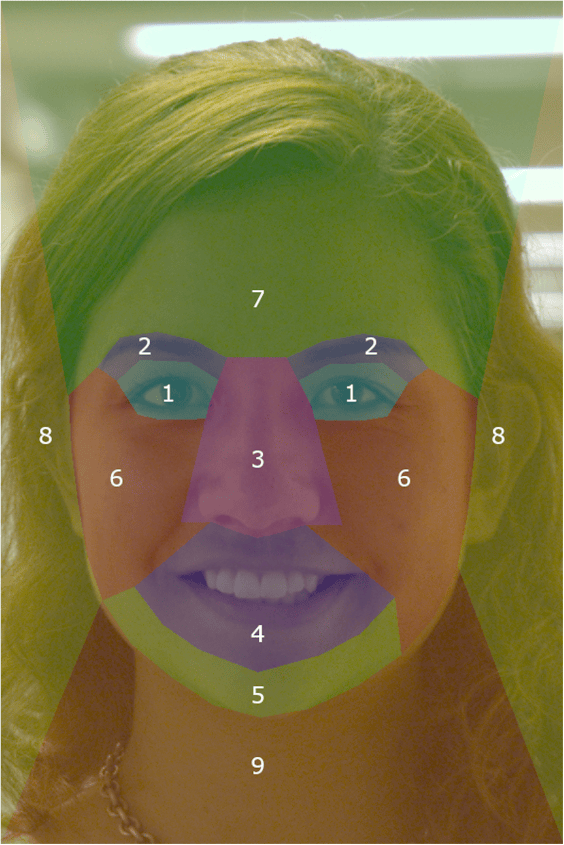
These experts ID strangers from one ear, nine times out of tenThe US National Institute of Standards and Technology recruited 27 federal forensic facial examiners; on average they needed to reveal only one or two facial features to pick a hidden face out of two lookalikes, scoring about 90 percent.
Psyche
Men are the ones who can't do without romanceThe evidence points one way: men invest more in romantic relationships and suffer more when they end, because they outsource all their emotional support to a partner.
Nautilus
Native Hawaiians' homeland is 4,400 miles awayA genetic study traces Native Hawaiians to Easter Island, about 4,400 miles away, and finds that a chain of founder effects amplified their risk of rare inherited disorders.
Nautilus
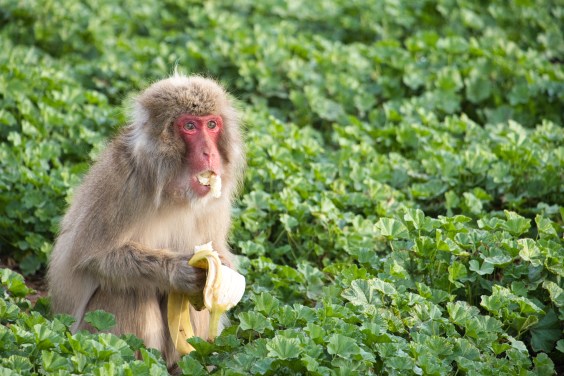
Monkeys who lived through an outbreak also learned to avoid poopWhen a simian AIDS-like virus swept a Texas primate sanctuary in 2020, macaque groups that merely witnessed the outbreak became far warier of feces-contaminated food, much as people scrubbed packages early in COVID.
Your Local Epidemiologist
Living to 150? Don't save for that birthday partyGeriatrician Anna Chodos argues that extending lifespan is not a realistic goal; what matters is healthspan, and most anti-aging products lack evidence while the things that work are plain and cheap.
Our World in Data
A third of mental health conditions start before 14A meta-analysis of 192 studies finds that about a third of people who ever develop a mental health disorder do so by 14 and two-thirds by 25, though the peak age varies widely by condition.
Psyche
Avoiding the sun may be as bad for you as smokingA new book argues that treating sunlight as an enemy has gone too far: a 20-year study of nearly 30,000 Swedish women found that avoiding the sun carried a mortality risk roughly on par with smoking.
Nautilus
America's oldest woman said she was 104. Nobody believed her.Many of the extreme ages accepted by longevity science rest on people denying their own records, lost paperwork and a certifier who promoted race science — and still passed validation.
Nautilus
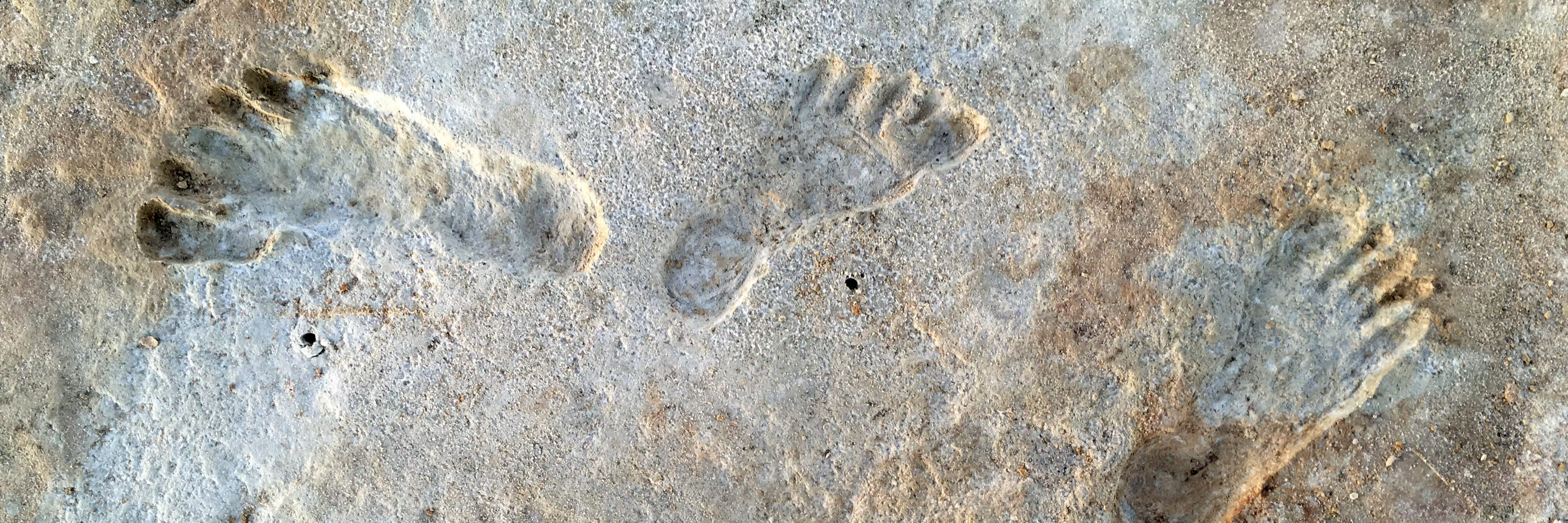
Footprints at White Sands show people repeated visits for 2,000 years during the last ice ageHuman footprints spanning nearly two millennia at White Sands, New Mexico, show people repeatedly lived there during the coldest part of the last ice age.
The Atlantic · Health
Human evolution made the mind brilliant—and set it up to breakHumans may get Alzheimer's precisely because our species evolved a highly developed brain—the regions responsible for self-awareness run hot.
Nautilus
Americans who go to church and trust science are more likely to believe in ghosts and cursesA survey of 1,812 American adults found that people who believe in both God and science are more likely to believe in magic than those who trust religious teachings alone.
Nautilus
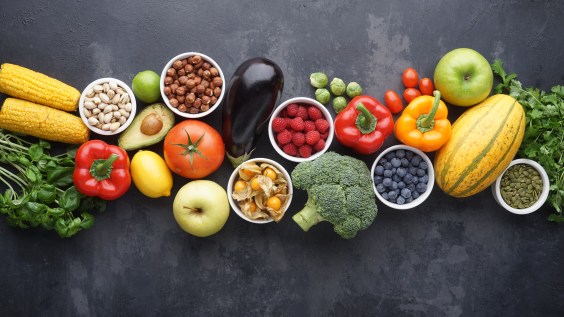
Swapping 10% of ultra-processed food for whole foods linked to 2% drop in bowel cancerAnalysis of more than 460,000 US adults over two decades found that replacing 10% of ultra-processed foods with minimally processed foods was linked to a 2% lower bowel cancer rate, but the label itself said little about risk.

Other topics