Daily Picks

Economics & Policy

Economics & Policy

Macro, jobs, trade, housing, energy and public policy — how a society allocates, and how it is governed
Conversable Economist
One in four dollars the US government spends is borrowedWashington is set to spend 7.4 trillion dollars in 2026 while borrowing 1.9 trillion of it, with total public debt now equal to the entire economy, and two scholars have put five tax proposals on the table to close the gap.
硅谷居士
In America, being mayor is a side jobAmerican government has exactly four levels — federal, state, county and city — and city councillors typically do the job part-time, about 20 hours a week.
The Conversation
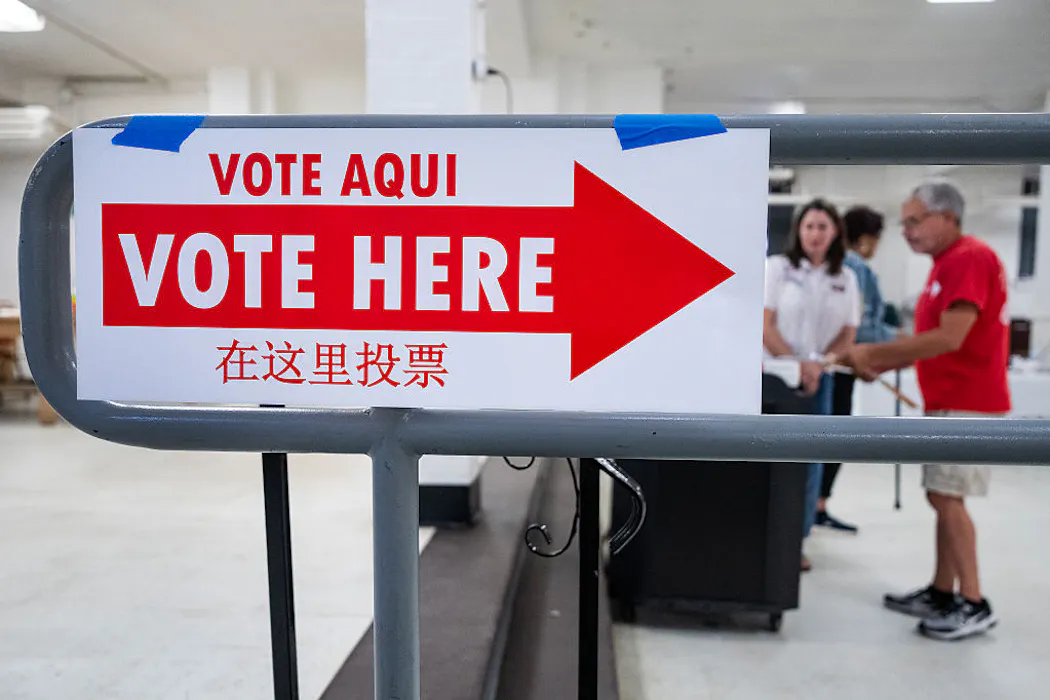
Can federal agents stand at polling places? The law says noThe Trump administration has floated sending armed federal officers to polling sites in the midterms, but federal law and every state's rules bar it, and a California ballot-seizure case just drew the line.
ChinaTalk
A One-Man Spice Company Sued the President Over TariffsAfter the Supreme Court struck down Trump's emergency tariffs, the administration simply reimposed the same taxes under a different statute. Now a single-origin spice company is suing again, while the big importers sit it out.
Klement on Investing
The heavier the national debt, the weaker the rate hikeResearch from the Bank for International Settlements finds that the more a government owes, the harder a rate rise hits growth and the less it does to prices, forcing central banks to move more aggressively for the same result.
Uncharted Territories
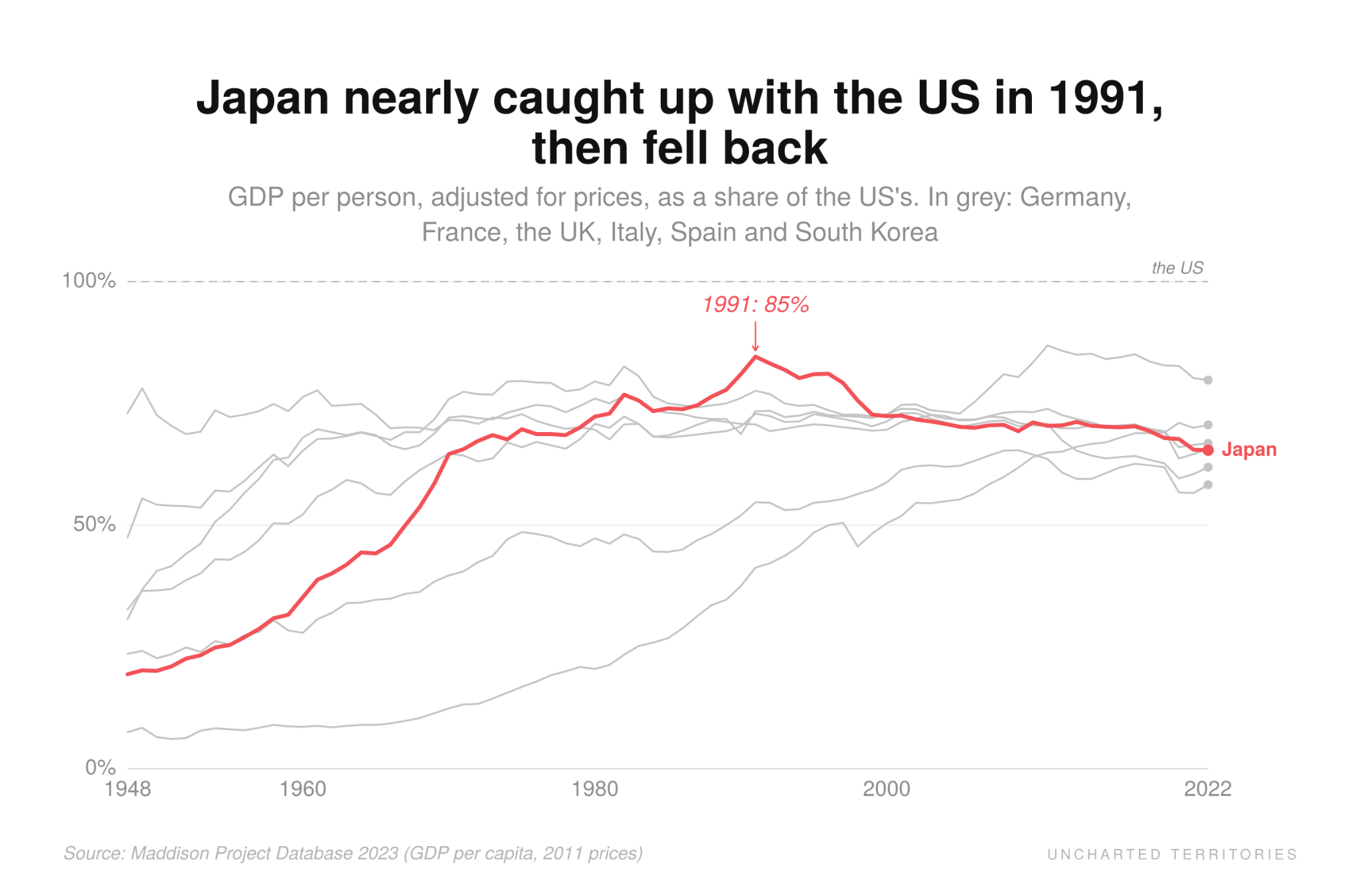
Japan won for 150 years, then ran out of roadJapan was the only non-Western country to industrialise in the 1800s, helped by geography that made it safe and rich; decades later that same inheritance became the thing holding it back.
The Conversation
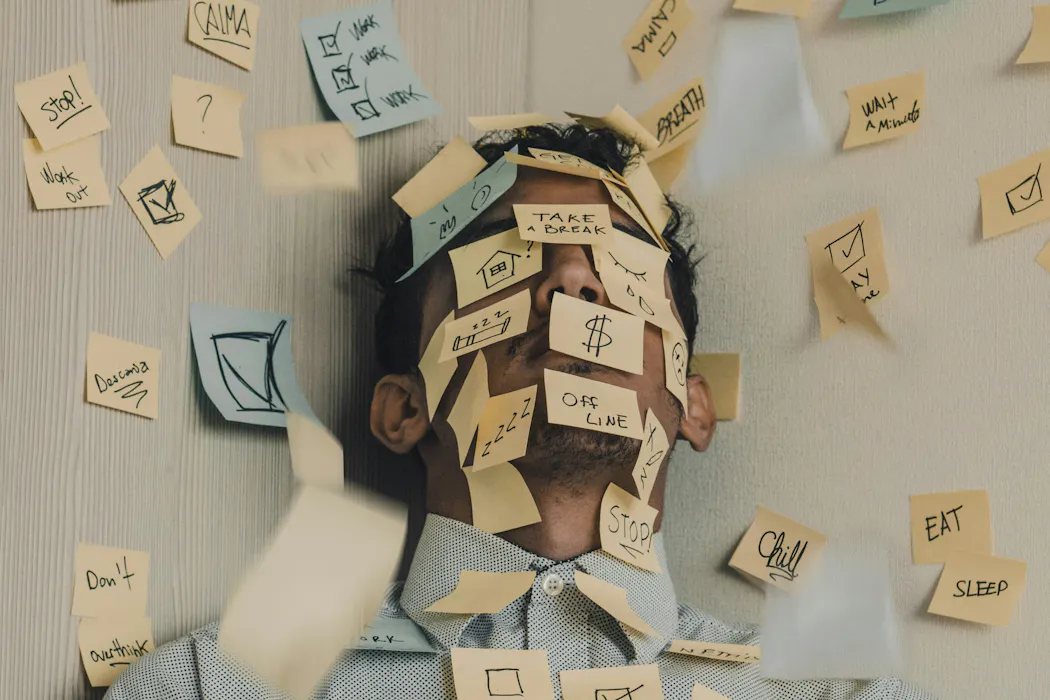
It's not where you work, it's who your boss isA survey of nearly 165,000 US employees found that once pay, feeling appreciated and the relationship with one's manager are factored in, the satisfaction advantage of remote work disappears.
Noahpinion
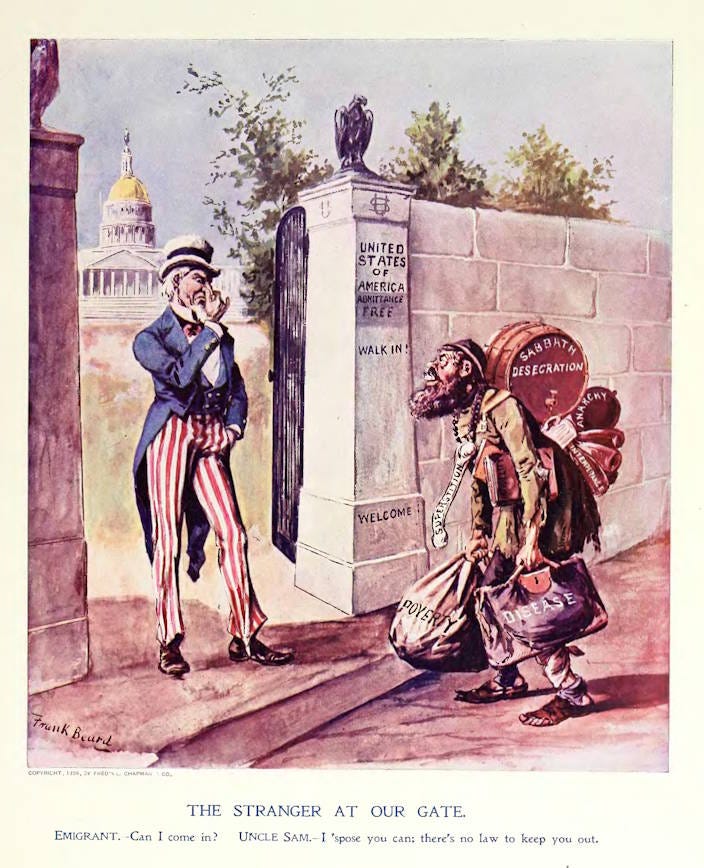
Calling immigrants 'unassimilated' is exactly what keeps them that wayA right-wing podcast has framed Indian Americans as a 'question' to be solved; the author argues that such attacks strengthen ethnic identity and make assimilation harder, not easier.
Noema Magazine
America is losing the long game to time itselfThe United States is stuck in nostalgia and four-year election cycles while China lays rails, pipes and ports on a decades-long clock — and whoever gets others to live in their version of the future wins.
硅谷居士
China's average household has 360,000 yuan saved. Three in four have less than 100,000.Official figures put average savings at over 120,000 yuan per person, but a Southwestern University of Finance and Economics report finds the median household holds just 87,000 yuan, with three quarters below 100,000.
Conversable Economist
Poorer school districts now get more money, not lessThe old picture of American school funding, where local property taxes guaranteed rich districts more money per pupil, no longer holds: since the 1990s, high-poverty districts have been getting more, not less.
Klement on Investing
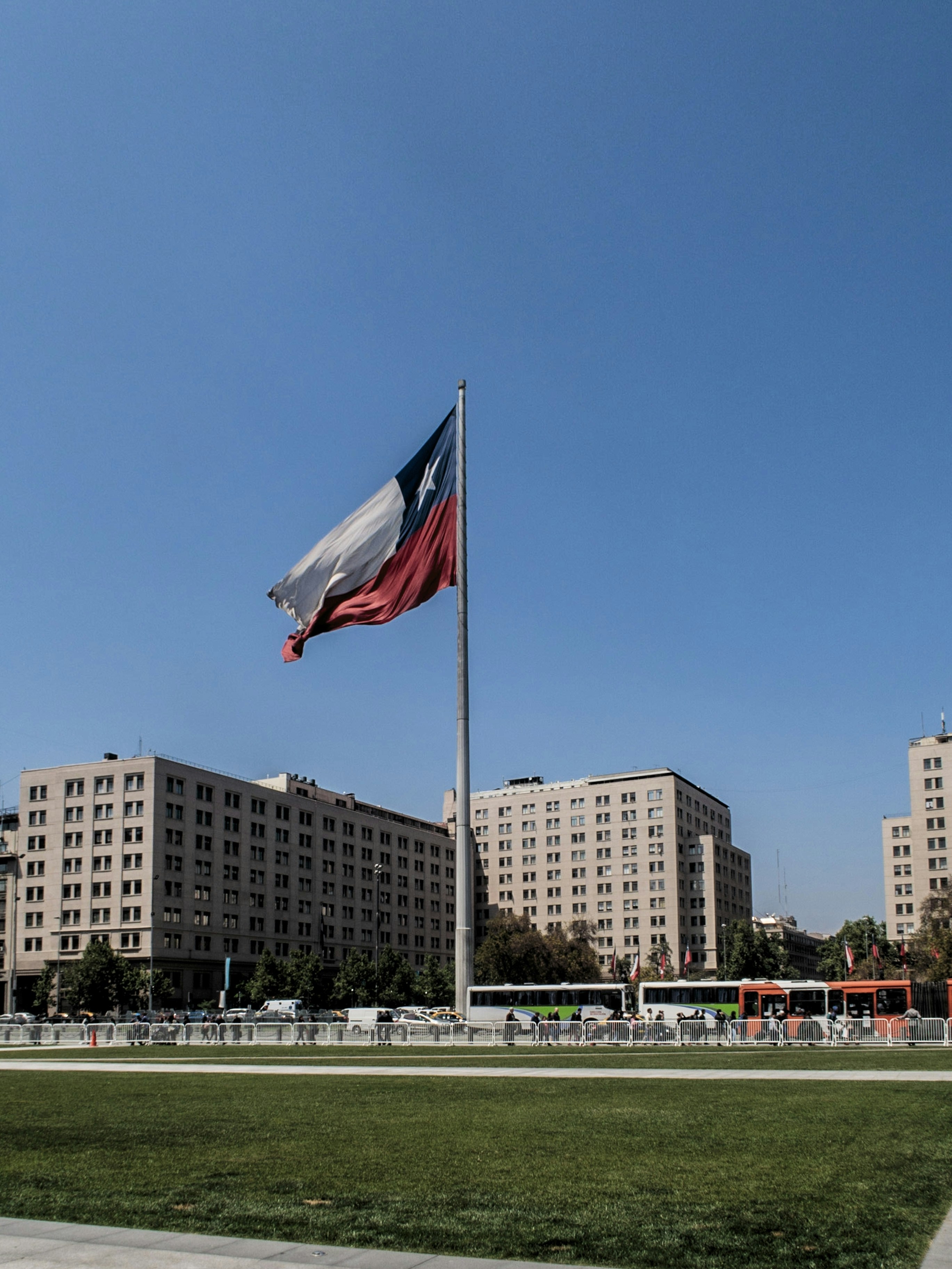
Chile nationalised 32 firms and lost votes faster than profitsA new study reconstructed the finances of 71 large Chilean firms between 1967 and 1973, 32 of which were nationalised: profitability fell by 11 to 13 percent on average afterwards.
The Conversation
Trump is sending migrants to Liberia. The script is 200 years oldAfter the Supreme Court let third-country deportations proceed, at least 20 people have been flown to Liberia — a country whose very existence began as an American scheme to send Black people away.
Noahpinion
Who actually gets the money from the AI boomKrugman calls AI a technology of, by and for oligarchs, but the data center buildout is already handing ordinary Americans construction jobs, tax revenue and consumer surplus.
硅谷居士
China has 32 times fewer A9 households than the USChina has about 120,000 households with a hundred million yuan in assets; the US has 1.1 million, and in the ten-million-yuan tier American families are 24 times more likely to qualify.

Other topics