Daily Picks

Science & Health

Science & Health

Medicine, psychology, biology, physics, space and statistics — what a study actually found, and whether it replicates
Quanta Magazine
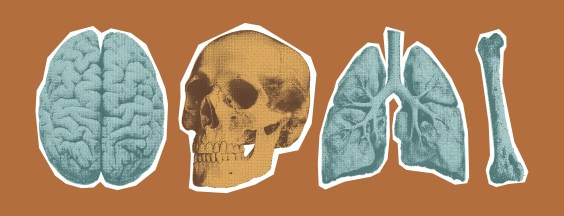
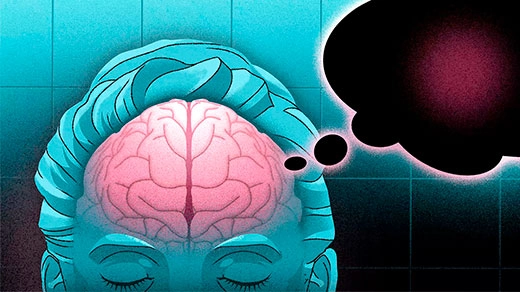
There is a storm in the brain, and it took a hundred electrodes to find the eyeNew recordings from electrodes implanted in epilepsy patients show that neural activity travels not just as simple back-and-forth planar waves but also as spirals and concentric rings, and that the shape changes with the task a person is doing.
The Honest Broker
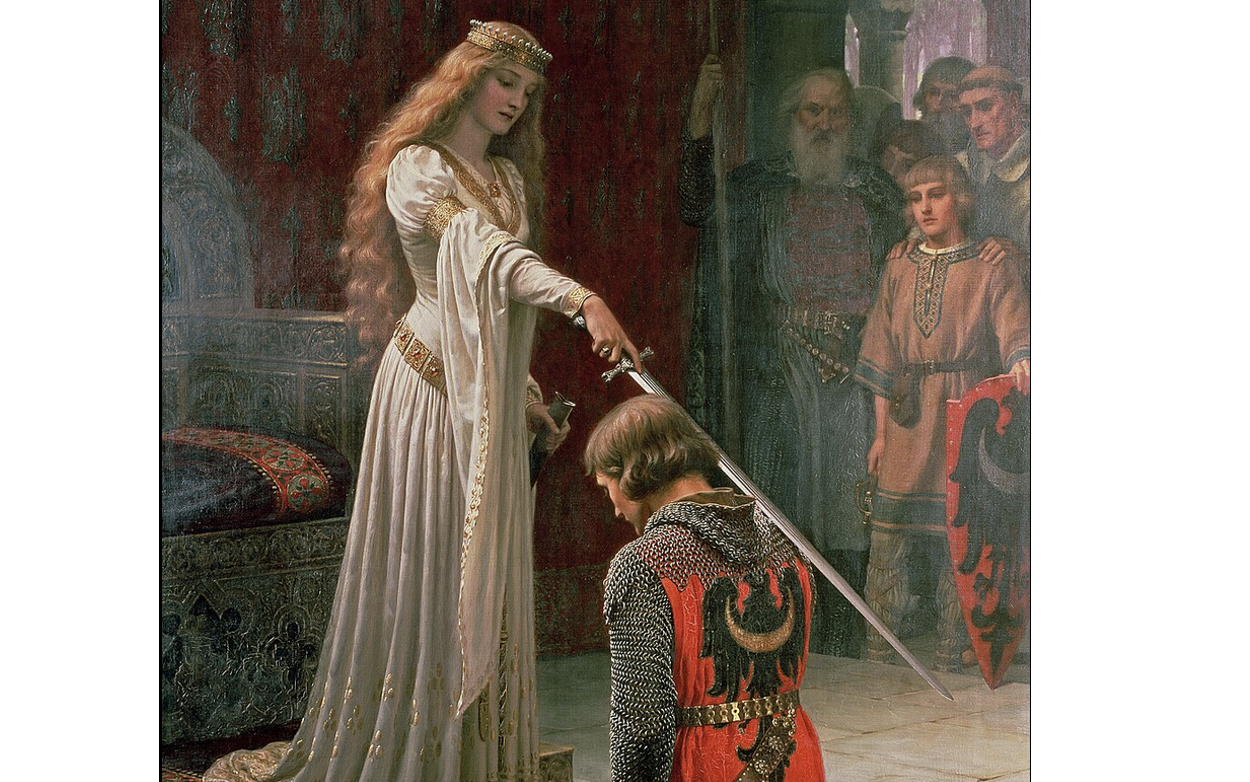
On the Titanic, the men gave the women the lifeboatsThe author argues that men shielding the women beside them in disasters is not manners but an evolutionary instinct that merely lies dormant today.
The Conversation
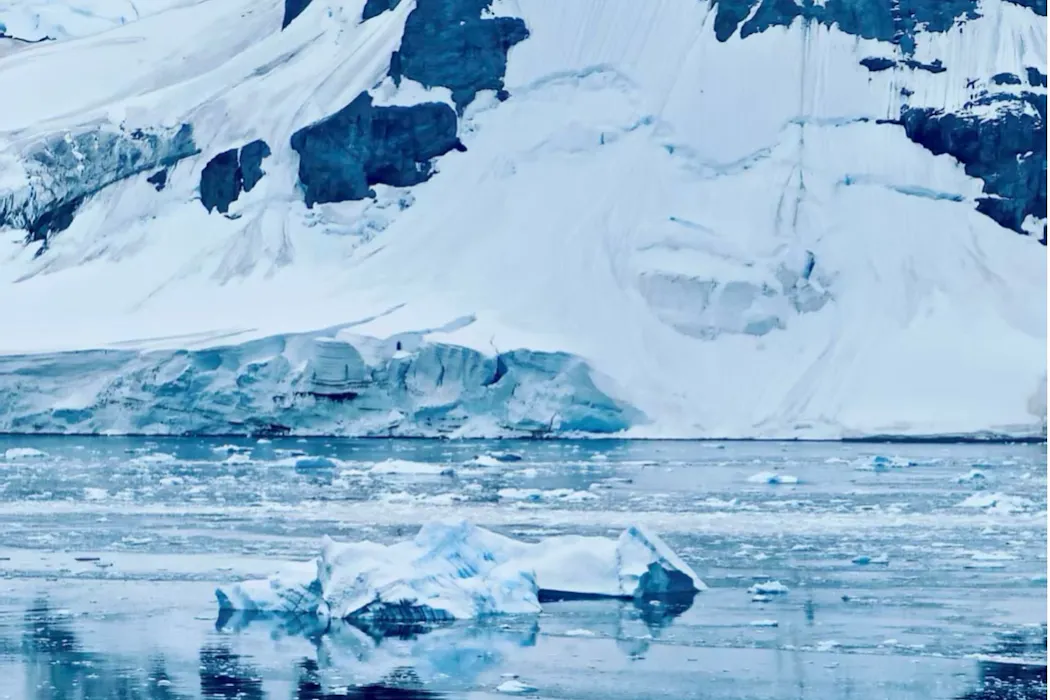
Even at 1.5C, Antarctica's ice loss is already locked inA new study ran hundreds of thousands of possible futures through a machine-learning shortcut and found Antarctica will lose more ice than it gains this century, even if warming is held to 1.5C.
Nautilus
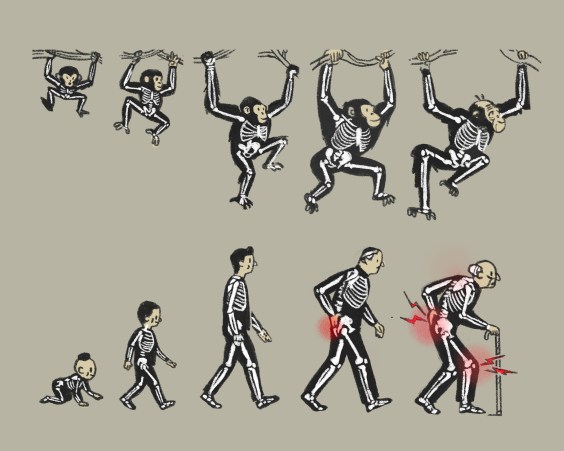
The human knee is an evolutionary bad dealTo get a lighter frame built for distance running and a more flexible brain, humans cut the shock-absorbing material in their joints to a third or a quarter of what other great apes have.
Your Local Epidemiologist
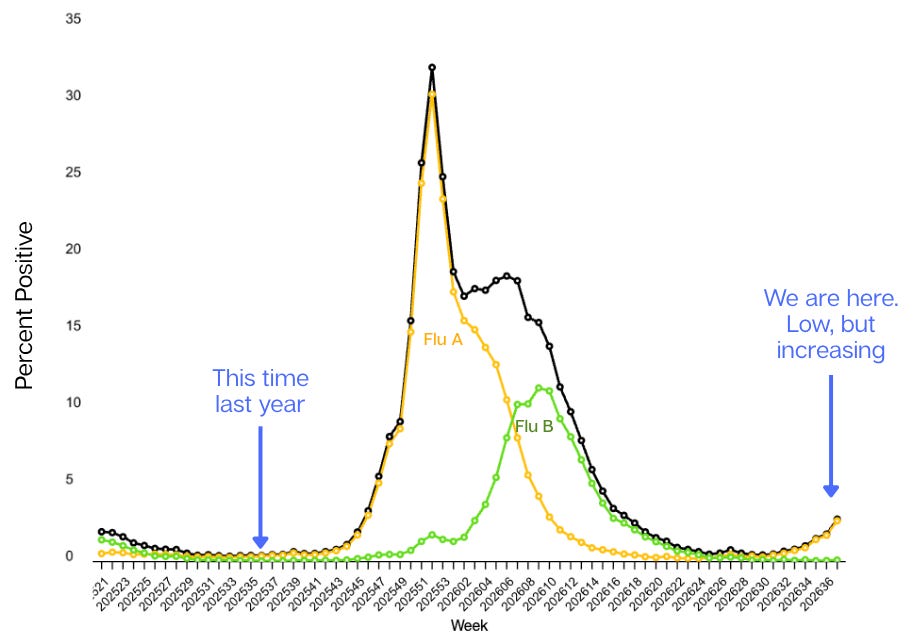
Flu is early this year. Don't wait until October for the shotFlu has arrived more than a month early in the northern hemisphere and is starting in the American West rather than the usual Southeast, while Covid wastewater has peaked and mosquito season is winding down.
Nautilus
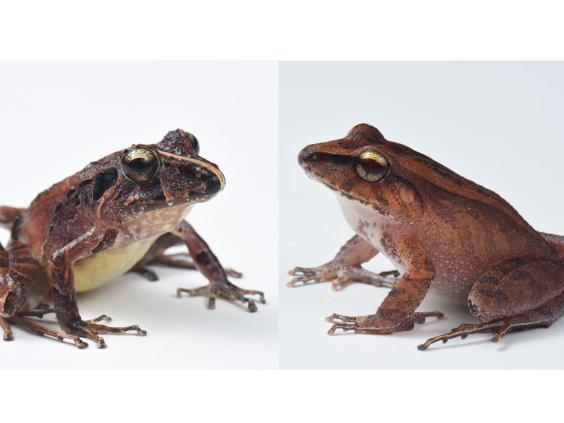
Frogs Wear a Layer of Bacterial Armor on Their SkinA frog in Brazil's rainforest survives the fungus killing amphibians worldwide not through its own immune system, but through the specific bacteria living on its skin.
The Conversation
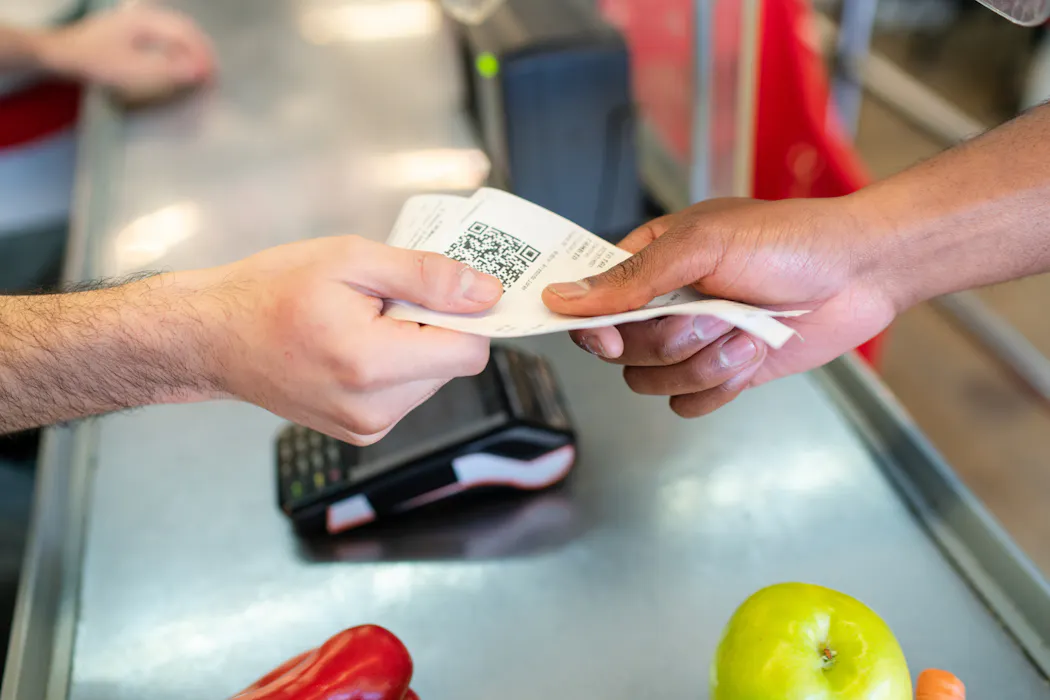
The toxins on a receipt: ten seconds of holding is a rounding errorThermal receipt paper often contains bisphenols that can be absorbed through skin, but the average person's exposure is thousands to tens of millions of times below safety limits; the real question is the cashiers handling hundreds of receipts a day.
Nautilus
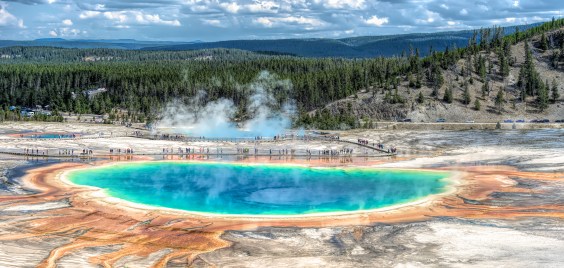
If Yellowstone blew tomorrow, would it end us?Scientists walk through what a Yellowstone super-eruption would actually look like hour by hour — from the first swarm of tiny quakes to global food prices and a decade of ash — and find that the hard part is not the magma but moving twenty million people.
404 Media
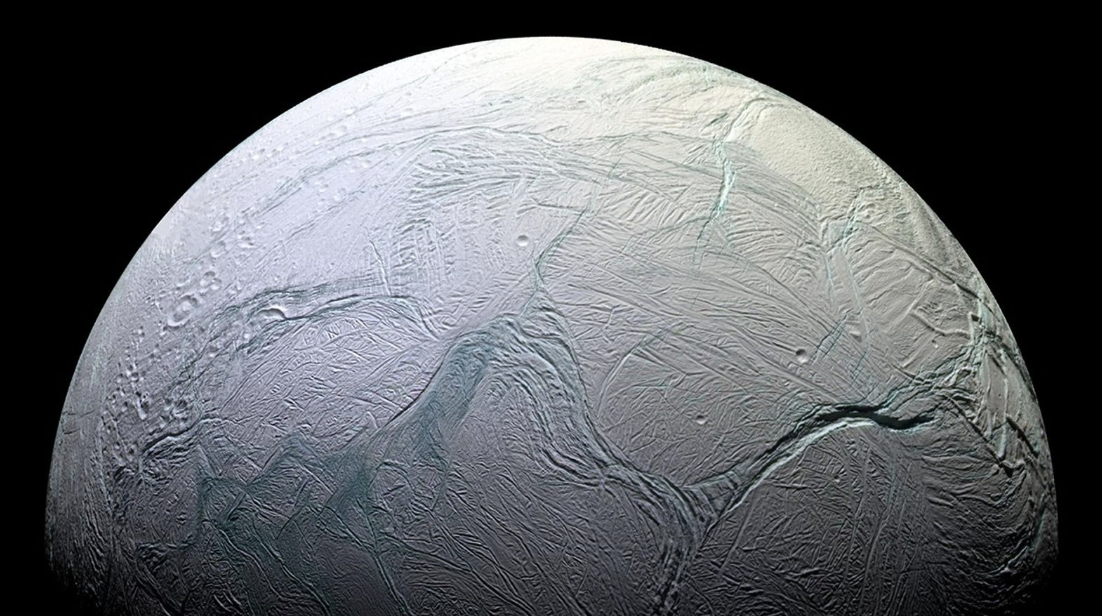
Enceladus Might Have Life. All It Takes Is One Launch.Two new studies show that Enceladus's alkaline ocean could support methane-making microbes and that its ice grains pre-sort organic molecules, so a single sampling mission could settle the question.
Nautilus
Tap the shin bone, rescue the brainResearchers in China got damaged mouse and pig brains to recover not by implanting electrodes in the skull but by tapping the shin bone twice a second for five days, leaving less brain-cell death and better maze runs.
Quanta Magazine
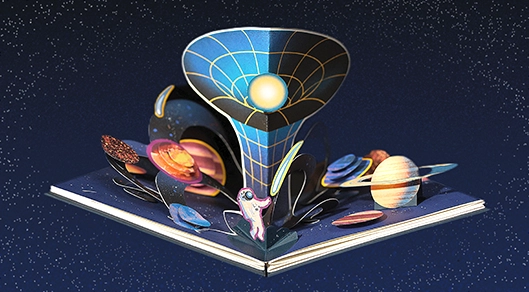
The universe may be a hologram. So what counts as real?Physicists found that the amount of stuff a region of space can hold equals the amount of paint needed to cover its surface, making volume and area the same thing.
Conversable Economist
Why the poorest are the ones who gambleA new theory treats risk-taking among the poor as rational arithmetic: below a survival threshold there is little left to lose, and crossing it changes everything.
Nautilus
For chronic pain, a gentle walk may beat a pillAn umbrella review of 158 reviews covering nearly a quarter of a million people finds exercise eases acute and chronic pain about 60 percent better than common painkillers, with short, low-intensity sessions working best.
The Conversation
New cholesterol guidelines swap one-size-fits-all for a personal risk scoreThe American Heart Association's 2026 cholesterol guidelines push screening down to age 9 and ask doctors to combine family history, lab work and imaging to calculate each patient's own risk and treatment.
Quanta Magazine
Life Isn't Quantum, but the Math It Uses Looks Like ItA long-hoped-for piece of evidence for quantum coherence in photosynthesis collapsed under closer scrutiny, and a Princeton chemist now suspects life mimics quantum math with ordinary classical networks instead.

Other topics