Daily Picks

Science & Health

Science & Health

Medicine, psychology, biology, physics, space and statistics — what a study actually found, and whether it replicates

Nautilus
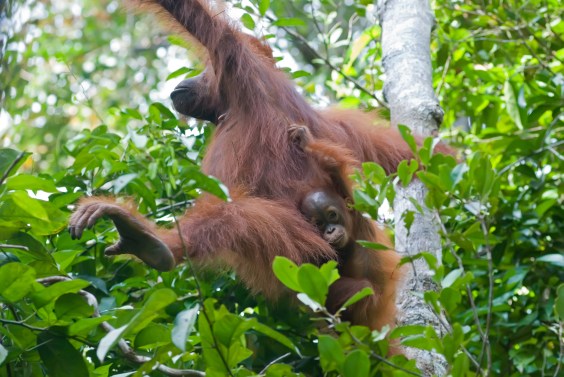
Orangutan moms arrange playdates for their only childrenA 15-year study in Borneo found that orangutan mothers will set off a day early and cross territories so their young can spend twenty minutes with a playmate their own age — and no one yet knows what it is for.
Nautilus
Forgiveness doesn't erase the memory, it just strips its stingForgiveness does not delete what happened; it drains the emotional charge attached to the memory, which is why 'forgive and forget' gets the mechanism wrong.
硅谷居士
Why anonymous comment sections always turn toxicIn Spite, neuroscientist Simon McCarthy-Jones argues that spite is not a glitch in human nature but a strategy with reasons and even uses, and anonymous platforms break it by making it free.
The Atlantic · Health
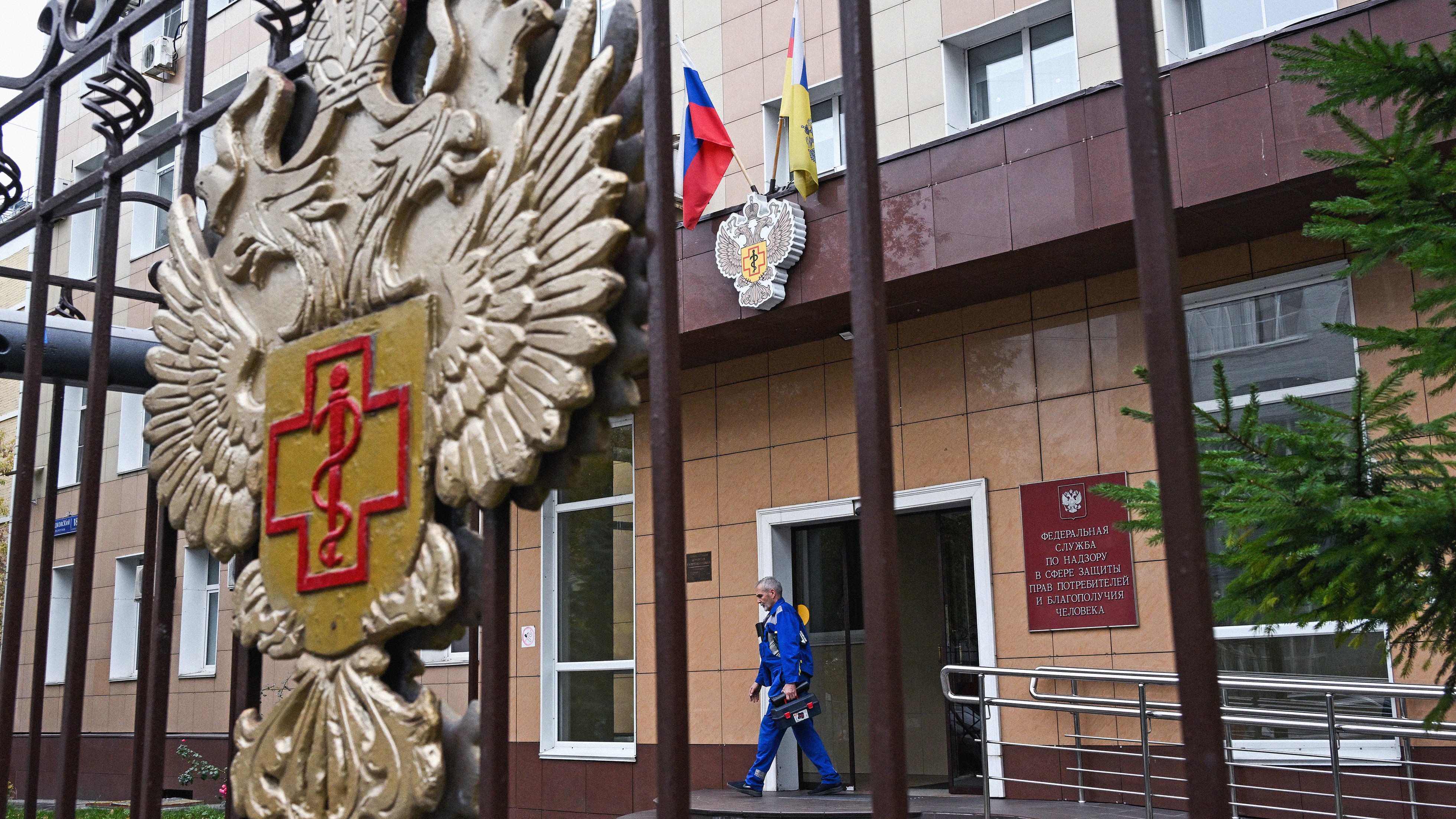
Russia's plague scare: the fear leaked before the virus didA lab technician in Siberia died of unidentified pneumonia, and with Russian authorities quarantining 200 people while releasing almost nothing, speculation about plague and even bioweapons filled the gap.
Nautilus
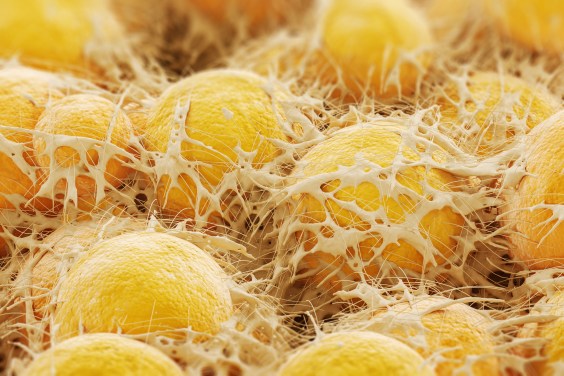
Fat cells keep a grudge: why the weight comes backA study in mice found that fat cells retain molecular traces of obesity after weight loss, and that an inflammation signal can jam the appetite hormone asprosin into the on position.
Your Local Epidemiologist
Plague in Russia: why this one is not the next pandemicA lab worker in Siberia died of plague and nearly 200 contacts are quarantined. Pneumonic plague can pass between people, but it spreads poorly, antibiotics work, and the response was fast, so the odds of a pandemic are very low.
The Atlantic · Health
A Routine Anesthetic Left Healthy Children Unable to Wake UpA German teenager and an American boy never fully woke after ordinary anesthesia, and their symptoms traced back to a little-known mitochondrial mutation from one Venezuelan state that turns a common anesthetic gas into a lethal key.
Quanta Magazine
AI proved the theorem. The mathematicians can't read it.In September 2026, OpenAI announced its models had cracked one of math's most famous problems. The proof checked out, but nobody understood it, and a field built entirely around solving problems has no system for that.
JSTOR Daily
Earth's real hidden workforce lives in mudThe oxygen-free muck at the bottom of ponds, swamps and oceans hosts invisible microbes that run the planet's carbon, nitrogen, phosphorus and sulfur cycles, and quietly archive its past climates.
Nautilus
Starving yourself works, until your body quietly takes the weight backCalorie-restricted diets do produce real weight loss in the first weeks, but the evidence rests on studies of only 2 to 12 weeks, after which hunger and a more frugal metabolism claw the weight back.
The Conversation
Even hunter-gatherers had inequality, and it was taken, not givenAfter a century of ethnographic evidence, anthropologists conclude that no hunter-gatherer society was truly egalitarian, and the limited equality it did have usually came from people demanding it.
The Atlantic · Health
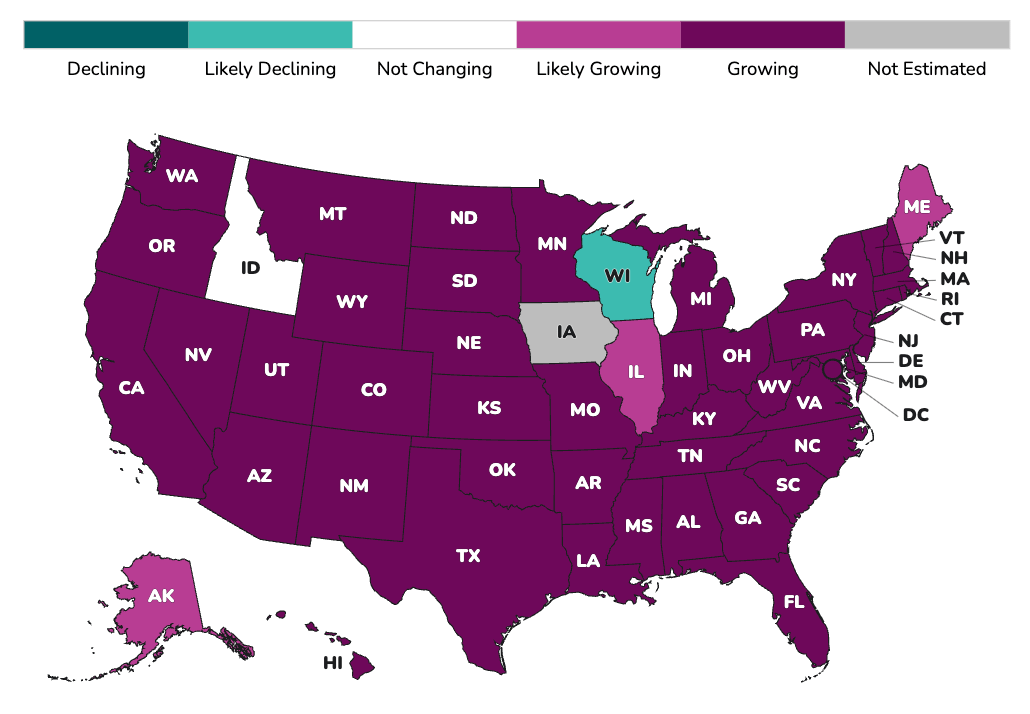
The Mormon church can't hold on to its young womenMormons were known for high birth rates, early marriage and lifelong loyalty to the faith, but both retention and fertility are now falling fast.
Nautilus
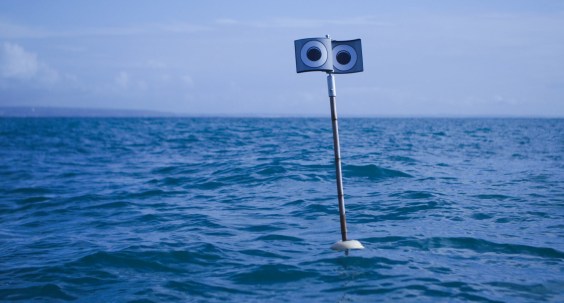
Tigers back off when they see eyes behind you. So do seabirds.British ecologists strapped a pair of giant cartoon eyes to a buoy and found it cut seabird drownings in gillnets more than a purpose-built bird-scaring kite, because predators are wired to fear being watched.
Quanta Magazine
Tilt a sea monkey past 45 degrees and the energy in the water runs backwardsScientists had assumed energy in a turbulent system flows in only one direction, but watching brine shrimp swim revealed that a swimming angle greater than 45 degrees flips the flow entirely.
Nautilus
Record a sentence and an AI can estimate how old your brain isA study of nearly 3,000 Spanish speakers found that pauses, pace and word choice in everyday speech can be fed to a machine-learning model that estimates how fast the brain is aging, pointing the same direction as costly MRI scans and blood tests.

Other topics